World’s highest mountain Everest sees busiest climbing season on record
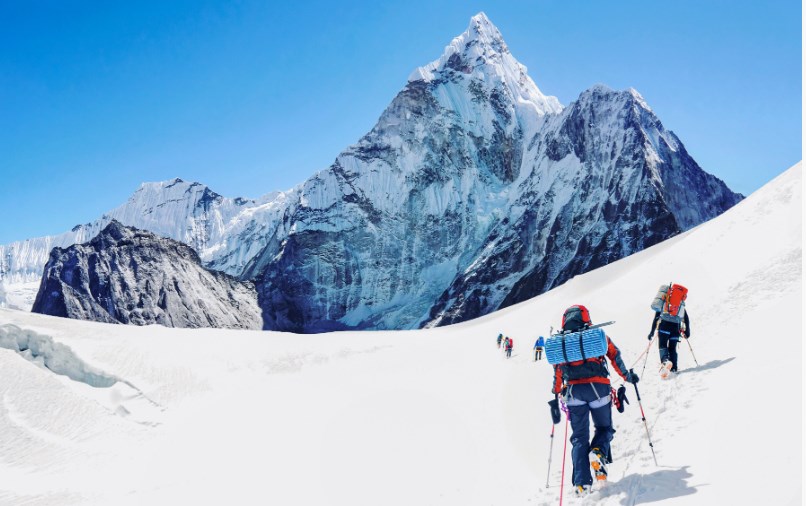
World’s highest mountain Everest sees busiest climbing season on record – The world’s highest peak, Mount Everest, has always drawn climbers like a magnet. But this year, the mountain is not just busy—it is experiencing what many expedition operators are calling the most crowded climbing season on record. From base camp to the summit ridge, the Himalayas are filled with teams, guides, and hopeful mountaineers chasing the same narrow weather windows and the same thin air above 8,848 meters.
What makes this season stand out is not only the number of climbers, but the intensity of traffic in a place where even a short delay can mean the difference between a safe descent and a dangerous night in the “death zone.” The result has been long queues near the summit, tightly scheduled rotations between camps, and an increasingly complex balancing act for expedition leaders trying to manage safety in a high-risk environment.
A mountain under pressure
For decades, Everest has symbolized the ultimate test of endurance and ambition. But in recent years, improved logistics, more experienced guiding companies, and a surge in global interest in high-altitude adventure have made the climb more accessible than ever—at least for those with deep enough pockets and strong enough determination.
This season, conditions have aligned in a way that amplified that trend. A stable weather window in May, combined with post-pandemic demand from postponed expeditions, led to a sharp concentration of summit attempts within just a few days. Instead of the usual staggered flow, dozens of teams arrived at the same time, all hoping to reach the top during the same brief period of relatively calm winds. World’s highest mountain Everest sees busiest climbing season on record
The result has been congestion in the most dangerous sections of the route: the Hillary Step area, the South Col, and the narrow ridges leading to the summit. In these zones, climbers are often forced to wait in freezing temperatures while others ahead of them move slowly through fixed ropes.
The human traffic jam above 8,000 meters
Above 8,000 meters, oxygen levels are so low that the human body begins to deteriorate quickly. This region, known as the “death zone,” is not meant for long stays. Yet climbers this season have sometimes spent hours waiting in line, clipped into fixed ropes, inching forward in single file.
Expedition leaders have described scenes resembling a “traffic jam in the sky,” where exhaustion, cold, and limited oxygen combine to create a dangerous mix. Every minute spent waiting increases the risk of frostbite, altitude sickness, and decision fatigue. Some climbers have been forced to turn back simply because delays made it impossible to descend safely before nightfall.
Sherpa guides, who play a critical role in fixing ropes and assisting climbers, have been under particularly heavy pressure. Their workload has increased significantly as they manage larger groups and help coordinate movement through bottlenecks on the mountain.
Why this season became so crowded
Several factors have contributed to the record-breaking numbers. First, there is the post-pandemic backlog. Many climbers who postponed their Everest dreams during global travel restrictions are now finally attempting the summit. Expedition companies report waiting lists stretching back years.
Second, improved forecasting technology and weather modeling have made summit attempts slightly more predictable. While Everest will never be fully predictable, better data has encouraged more climbers to aim for the same optimal windows, unintentionally clustering ascents.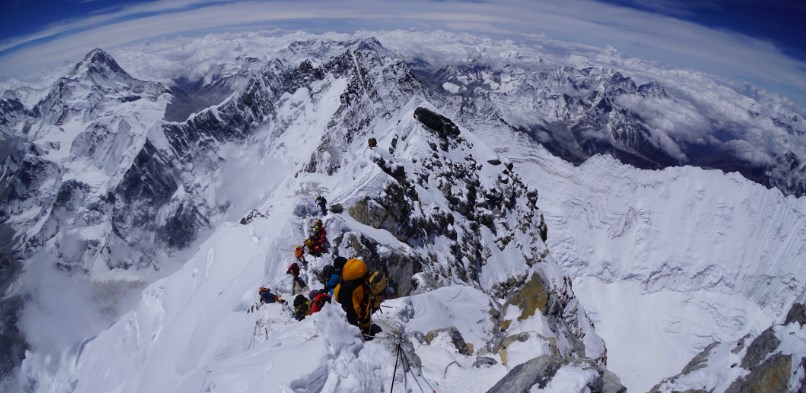
Third, the commercialization of high-altitude mountaineering has expanded. More guiding companies now operate on Everest than ever before, offering structured packages that include oxygen systems, fixed ropes, Sherpa support, and logistical planning. While this has improved accessibility and safety for many, it has also increased overall traffic.
Finally, social media continues to play a powerful role. Everest has become not just a physical achievement, but a digital milestone. The desire to share summit photos and personal triumphs has added cultural momentum to an already crowded mountain. World’s highest mountain Everest sees busiest climbing season on record
Safety concerns in a fragile environment
The congestion has reignited long-standing debates about how many climbers Everest can safely support. While modern equipment and experienced guides have improved survival rates compared to early expeditions, the mountain remains inherently dangerous.
One of the biggest concerns is bottlenecking in the “Hillary Step” area and other narrow ridgelines. When climbers are forced to wait, they often remain exposed to harsh winds and extreme cold without movement to generate body heat. In some cases, oxygen supplies can run low while climbers are still far from the summit or descent.
There are also concerns about emergency response. At such extreme altitudes, rescue operations are extremely limited. Helicopters cannot operate above certain elevations, meaning climbers rely almost entirely on their own strength and the assistance of nearby teammates.
Environmental impact is another growing issue. Increased traffic means more waste, more discarded oxygen bottles, and greater strain on the fragile Himalayan ecosystem. Cleanup efforts have improved over the years, but the volume of climbers continues to challenge sustainability efforts.
The human drive to reach the top
Despite the risks and overcrowding, the motivation to climb Everest remains strong. For many, it is not just about reaching the summit—it is about personal transformation, resilience, and proving something deeply internal.
Some climbers are seasoned mountaineers attempting to complete the “Seven Summits,” while others are first-time high-altitude adventurers who have trained for years. Each carries a different story, but all share the same final stretch: the long, exhausting push from the South Col to the highest point on Earth.
For Sherpas, the season is both a source of livelihood and pride. Generations of families from Nepal have built expertise in guiding climbers through the Himalayas. Their knowledge of the mountain’s moods, snow conditions, and hidden dangers is unmatched, and their role remains essential to every successful ascent.
The country of Nepal, which hosts the southern approach to Everest, continues to see climbing as a vital part of its tourism economy. However, officials are also increasingly aware of the need to balance economic benefits with safety and environmental protection.
The narrow window of opportunity
Everest’s summit window is famously short. Typically, climbers have only a few days in May when winds drop enough to allow safe passage. Outside of that window, jet stream winds can exceed safe climbing conditions, making the summit virtually impossible. World’s highest mountain Everest sees busiest climbing season on record
This year, that window opened slightly later than expected but remained stable longer than usual. While that sounds like good news, it also encouraged more teams to push for the same timeframe, intensifying congestion rather than easing it.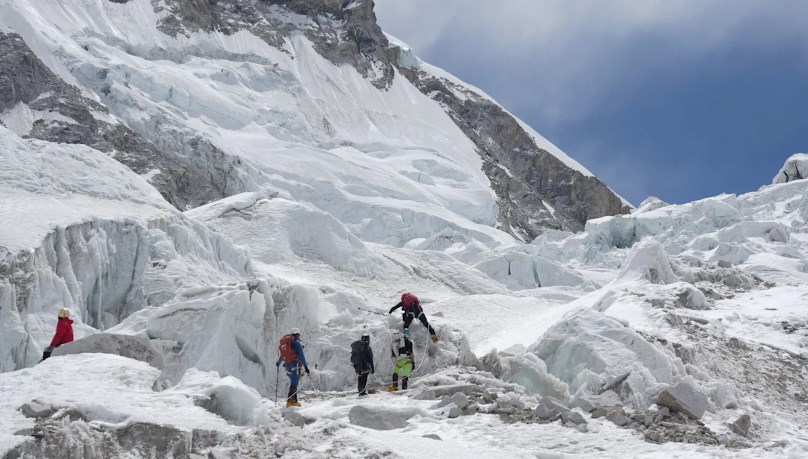
As more climbers waited for their turn at the top, the mountain effectively became a shared stage where timing mattered as much as endurance. Those who reached the summit earlier in the window reported relatively smoother conditions, while later climbers faced longer delays and more exhaustion.
Looking ahead
The record-breaking season on Everest is likely to fuel renewed discussions about regulation. Some experts have suggested stricter permit limits, staggered ascent scheduling, or even quota systems to reduce congestion during peak weather windows. Others argue that improved training and better coordination among guiding companies could help manage flow without restricting access.
What is clear is that Everest is changing. The mountain that once symbolized isolation and extreme solitude now sometimes resembles a crowded highway in the sky. Yet its allure has not diminished.
For every climber waiting in a frozen queue high above the clouds, the goal remains the same: to stand on the roof of the world, if only for a brief moment, and see the Earth stretch endlessly beneath them from the summit of Mount Everest. World’s highest mountain Everest sees busiest climbing season on record
About the Author