US House of Representatives calls for an end to war with Iran
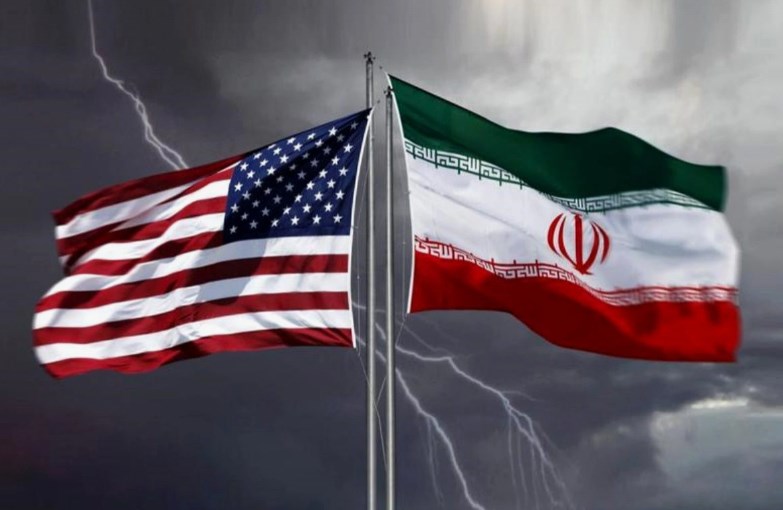
US House of Representatives calls for an end to war with Iran – The U.S. House of Representatives has delivered a significant political rebuke to President Donald Trump by voting to end American military involvement in the ongoing war with Iran. The move, while not immediately binding, marks one of the most consequential congressional challenges to presidential war powers in recent years and highlights deep divisions in Washington over how the conflict has been handled.
A Historic Vote in the House
On June 3, 2026, the House passed a war powers resolution by a narrow margin of 215–208, directing the president to withdraw U.S. forces from hostilities with Iran unless Congress formally authorizes continued military action. Four Republicans broke ranks to join all Democrats in supporting the measure, signaling rare bipartisan concern over the direction of the war.
The resolution, introduced under the War Powers framework, asserts that the president cannot sustain military operations in Iran without explicit congressional approval. At its core, it demands either a congressional declaration of war or a formal authorization for use of military force—standards rooted in the U.S. Constitution’s allocation of war-making authority to Congress.
Why Congress Stepped In
Lawmakers supporting the measure argue that the conflict, which began earlier in 2026, has drifted far beyond its original scope and lacks proper legal authorization. Critics within Congress describe it as a “war of choice” that has escalated without sufficient transparency or oversight.
Democrats, joined by a small but notable group of Republicans, have repeatedly raised concerns that the administration bypassed Congress when initiating military operations. Representative Gregory Meeks, one of the resolution’s key sponsors, framed the vote as a constitutional correction, arguing that prolonged military engagement without legislative approval undermines democratic accountability.
Supporters also point to the broader costs of the conflict, including rising global energy prices and economic instability tied to disruptions in critical trade routes. These economic pressures have increased public scrutiny and fueled bipartisan unease.
A Rare Bipartisan Break
Perhaps the most striking element of the vote was the defection of four Republican lawmakers who joined Democrats in supporting the resolution. In a deeply polarized Congress, bipartisan cooperation on war powers is uncommon and underscores growing discomfort even within President Trump’s own party.
These lawmakers argued that regardless of political alignment, Congress has a duty to reassert its constitutional role in decisions involving war and peace. Their support was enough to push the resolution across the finish line in the House, despite opposition from GOP leadership and the White House.
The Trump Administration’s Response
The White House swiftly rejected the resolution, arguing that it is unnecessary and potentially harmful to ongoing diplomatic efforts. Administration officials have pointed to what they describe as progress in negotiations with Tehran and have emphasized the need for flexibility in dealing with a volatile security situation.
President Trump criticized the measure as politically motivated and insisted that his administration is working toward ending the conflict on favorable terms. According to administration messaging, military pressure combined with diplomacy is seen as the most effective path to stability in the region. At the same time, officials have warned that constraining presidential authority during active negotiations could weaken U.S. leverage and embolden Iran.
What the Resolution Actually Does
Despite its strong political symbolism, the House resolution faces significant procedural limits. It now moves to the Senate, where its future is uncertain. Even if it passes both chambers, it may still face legal and constitutional challenges regarding enforceability. US House of Representatives calls for an end to war with Iran
The measure is based on the War Powers Resolution of 1973, which was designed to check presidential authority by requiring congressional approval for extended military engagements. However, similar efforts in the past have often stalled or been blocked by veto threats or disputes over constitutional interpretation.
Legal experts note that enforcement of such resolutions can be complicated, particularly when the executive branch disputes their binding nature. This raises the possibility that, even if the measure clears Congress, it could become part of a broader legal and political confrontation between the branches of government.
A Conflict With No Easy Exit
The Iran conflict has now entered a politically sensitive phase. While the administration insists it is pursuing both military deterrence and diplomatic engagement, critics argue that the war has become prolonged without a clear strategic endpoint.
Reports from multiple outlets suggest that tensions remain high, with continued sporadic hostilities and fragile cease-fire conditions. Analysts warn that even limited escalations could quickly spiral into broader regional instability, drawing in additional actors and increasing risks for U.S. forces stationed in the region.
Within Congress, frustration has been building for months. Earlier attempts to halt or limit the war failed in closely divided votes, but momentum gradually shifted as the conflict continued and economic consequences mounted.
Constitutional Tensions Resurface
At the heart of the debate is an old but unresolved question in American governance: who has the authority to wage war?. The Constitution grants Congress the power to declare war, while presidents have increasingly used their role as commander-in-chief to conduct military operations without formal declarations. The War Powers Resolution of 1973 was intended to rebalance that relationship, but its effectiveness has long been debated. The current vote represents a renewed effort by Congress to reassert its authority, particularly in a conflict that many lawmakers argue has not been properly authorized. US House of Representatives calls for an end to war with Iran
Political Fallout Ahead
The resolution is expected to intensify tensions between the White House and Congress. Even though it is unlikely to immediately end U.S. military involvement in Iran, it sends a clear political message: significant portions of Congress, including members of the president’s own party, want the war to end or be formally reauthorized.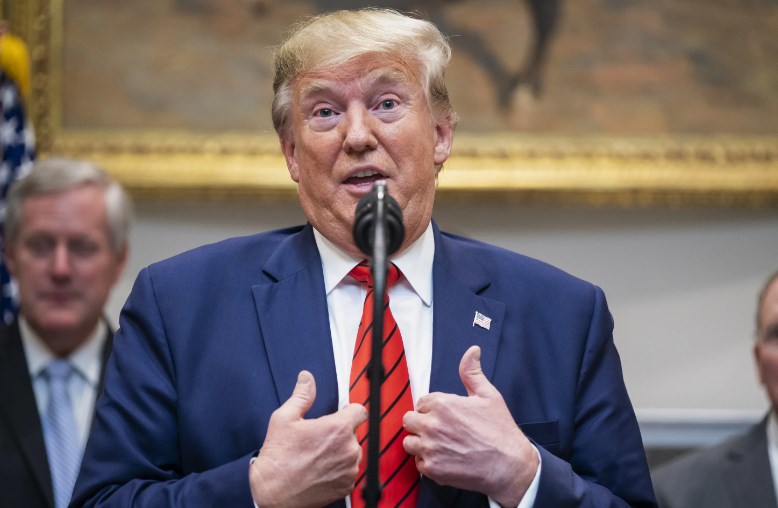
If the Senate follows the House, it would set up a major constitutional showdown over war powers, potentially involving the courts or forcing negotiations between the branches. For now, the vote stands as a symbolic but powerful statement of congressional intent. It reflects growing skepticism about prolonged military engagements and underscores the increasingly complex politics surrounding U.S. foreign policy in the Middle East. US House of Representatives calls for an end to war with Iran
Conclusion
The House of Representatives’ call to end the war with Iran is more than just a procedural vote—it is a reflection of deeper constitutional, political, and strategic tensions in Washington. While its immediate impact may be limited, its significance lies in the message it sends: Congress is increasingly unwilling to remain on the sidelines of decisions that place the country in prolonged conflict.
As the resolution moves to the Senate and the broader debate continues, the future of U.S. involvement in Iran remains uncertain. What is clear, however, is that the question of who decides when America goes to war is once again at the center of national politics. US House of Representatives calls for an end to war with Iran
About the Author