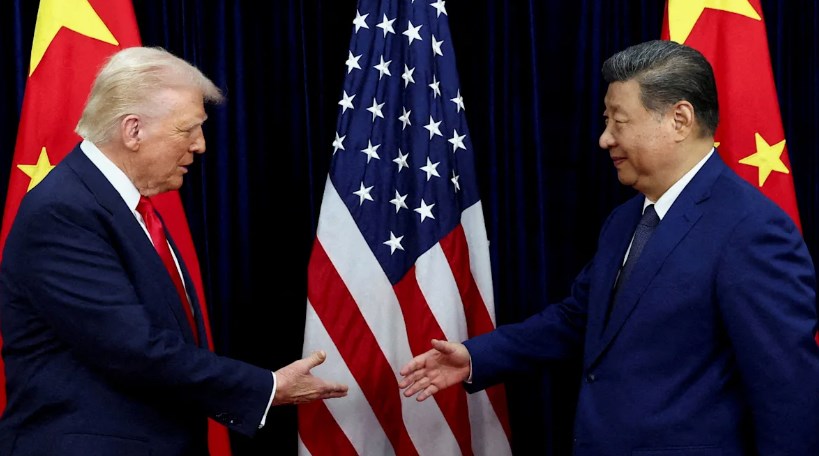
Trump arrived in Beijing after months of uncertainty surrounding the trip. Earlier this year, the White House delayed the visit as the war with Iran escalated and fears grew that the conflict could spiral into a larger regional crisis. Now, with a fragile ceasefire in place but tensions still high, the administration believes the meeting with Xi is too important to postpone again. What to know about President Trump’s visit to China amid Iran war
At the center of the discussions is the Strait of Hormuz, one of the world’s most important shipping routes for oil. Iran has tightened its influence around the waterway during the conflict, alarming governments and energy markets worldwide. Roughly a fifth of the world’s oil passes through the strait, meaning any disruption can quickly send fuel prices soaring across the globe. The United States has been pressuring China to use its economic and political influence over Iran to help stabilize the situation. Beijing remains one of Iran’s largest oil customers and maintains strong diplomatic ties with Tehran. American officials reportedly hope Xi can encourage Iran to avoid further escalation and keep shipping lanes open.
Still, Trump has publicly insisted he does not “need” China’s help to resolve the conflict. Before leaving Washington, he told reporters that the United States would prevail “peacefully or otherwise” and claimed Iran was already “very much under control.” Those comments were widely interpreted as an attempt to project confidence ahead of the summit. Despite that rhetoric, analysts say the administration clearly sees China as a critical player in any long-term solution. China has leverage few other nations possess because of its extensive economic relationship with Iran. Beijing buys large amounts of Iranian oil and has avoided fully aligning itself with Western pressure campaigns against Tehran. What to know about President Trump’s visit to China amid Iran war 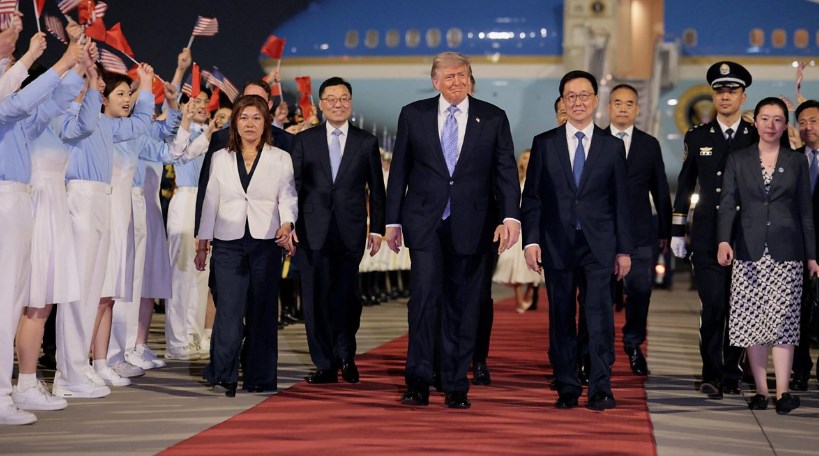
That balancing act places Xi in a powerful diplomatic position. China has repeatedly called for a ceasefire and negotiations rather than additional military action. At the same time, Beijing has resisted American efforts to isolate Iran completely. Chinese officials appear eager to avoid being drawn directly into the conflict while still protecting their strategic interests in the region. Trade is also expected to dominate the talks. Relations between Washington and Beijing have remained tense over tariffs, technology restrictions, and competition in artificial intelligence. Trump campaigned heavily on taking a hard line against China, but the Iran war and rising economic pressures at home appear to have softened the administration’s tone ahead of the summit.
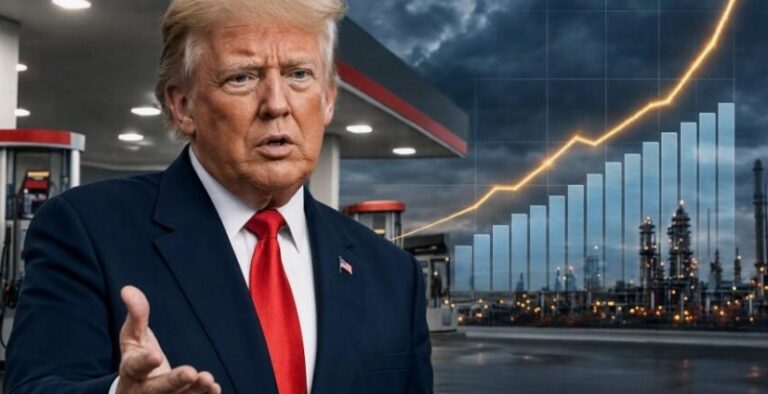
Reports suggest Trump is looking for practical deals that could stabilize markets and improve economic conditions in the United States. Rising fuel costs tied to the Iran conflict have contributed to inflation concerns, putting pressure on the White House domestically. According to several reports, Trump may seek agreements involving rare earth minerals, manufacturing access, and technology cooperation. China remains essential to global supply chains, particularly in industries tied to electronics, electric vehicles, and artificial intelligence. American companies are watching the summit closely for signs that tensions between the two superpowers may ease. The visit is also politically significant for both leaders.
For Trump, the trip offers a chance to appear presidential on the world stage during a period of intense scrutiny over the Iran war. Critics have questioned the long-term strategy behind the conflict and pointed to growing economic uncertainty at home. Supporters, meanwhile, argue that Trump is demonstrating strength by confronting Iran while still engaging major global powers diplomatically. For Xi, hosting the American president provides an opportunity to reinforce China’s image as a global power broker capable of influencing international crises. Beijing has increasingly positioned itself as an alternative diplomatic force to Washington, especially in regions where U.S. military involvement has created instability.
Taiwan is another issue likely to surface during the talks. Some analysts believe China may attempt to use America’s focus on the Middle East as leverage in negotiations over Taiwan-related policies. Concerns have grown in Washington that Beijing could seek concessions while the U.S. is distracted by the Iran conflict. Technology leaders and major business executives are reportedly accompanying Trump on parts of the trip, highlighting the economic stakes involved. The administration hopes the summit can produce high-profile business agreements and reduce tensions that have disrupted trade over the past several years. What to know about President Trump’s visit to China amid Iran war 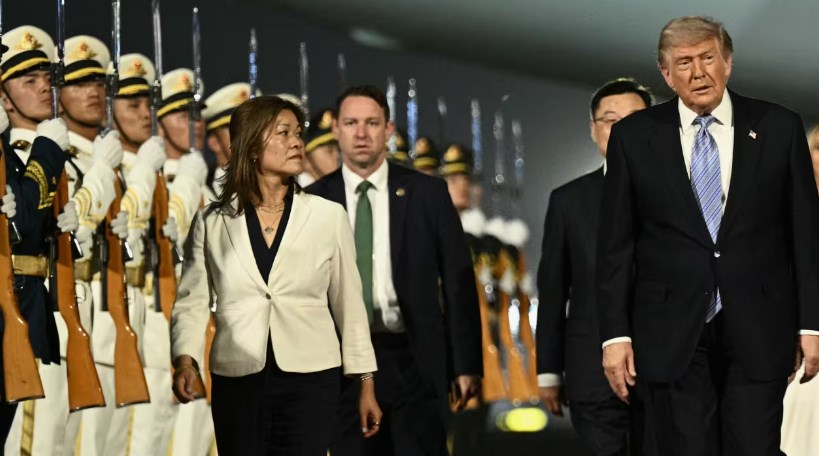
There are also unresolved questions surrounding China’s relationship with Iran during the war. Earlier reports indicated that U.S. officials were concerned Beijing might provide military or technological support to Tehran, though China has denied such claims. Trump previously stated that Xi assured him China would not send weapons to Iran, but Beijing has not publicly confirmed that agreement. Global markets are watching every development from Beijing. Investors know the outcome of the summit could influence oil prices, shipping stability, and the broader global economy. Any indication of cooperation between Washington and Beijing on Iran could calm markets, while signs of deeper disagreement may fuel further uncertainty.
The symbolism of the visit is equally important. A sitting American president traveling to China during an active international conflict sends a message that diplomacy between the world’s two largest powers remains essential, even amid major geopolitical tensions. Whether the summit produces meaningful breakthroughs remains unclear. Expectations for dramatic agreements are relatively low, and many experts believe the talks will focus more on managing tensions than resolving them entirely. Still, even limited cooperation between Trump and Xi could shape the direction of the Iran conflict and the broader global economy in the months ahead. What to know about President Trump’s visit to China amid Iran war