US court throws out Trump’s 10% global import tariff
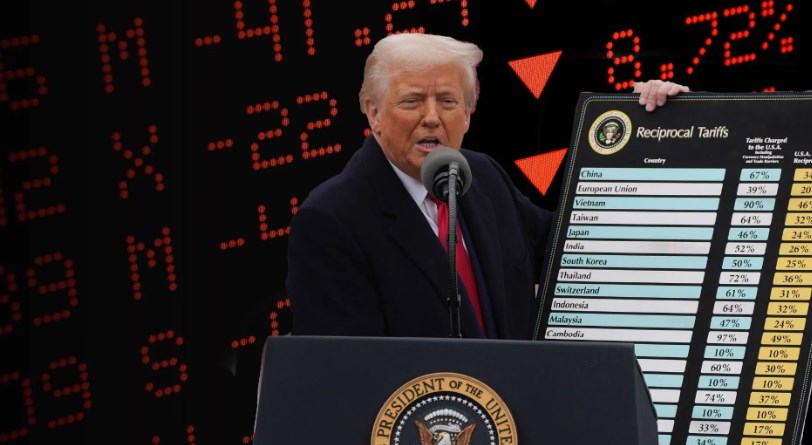
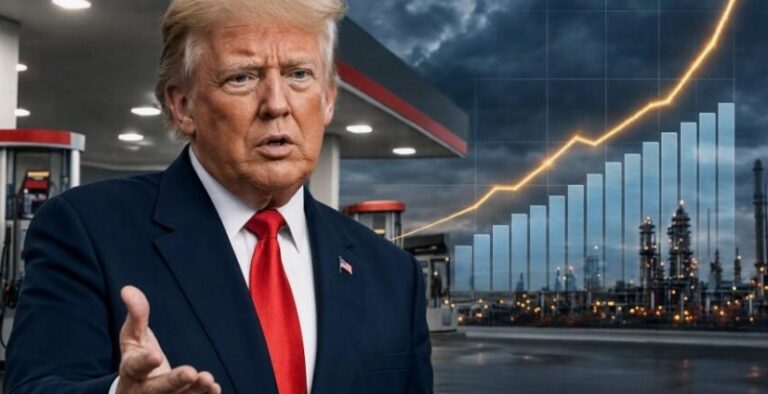
US court throws out Trump’s 10% global import tariff – A major legal setback has hit former President Donald Trump after a U.S. federal court struck down his proposed 10% global import tariff, a policy that had sparked fierce debate among economists, businesses, and political leaders. The ruling marks a significant moment in the ongoing battle over American trade policy and could reshape how future administrations use tariffs as an economic weapon.
The court’s decision came after months of legal challenges from business groups, importers, and trade organizations that argued the sweeping tariff exceeded presidential authority and threatened to damage the U.S. economy. Trump’s proposal aimed to impose a blanket 10% tariff on nearly all imported goods entering the United States, regardless of the country of origin. Supporters claimed the move would protect American industries and reduce reliance on foreign manufacturing, while critics warned it would trigger higher consumer prices and strain relations with key allies.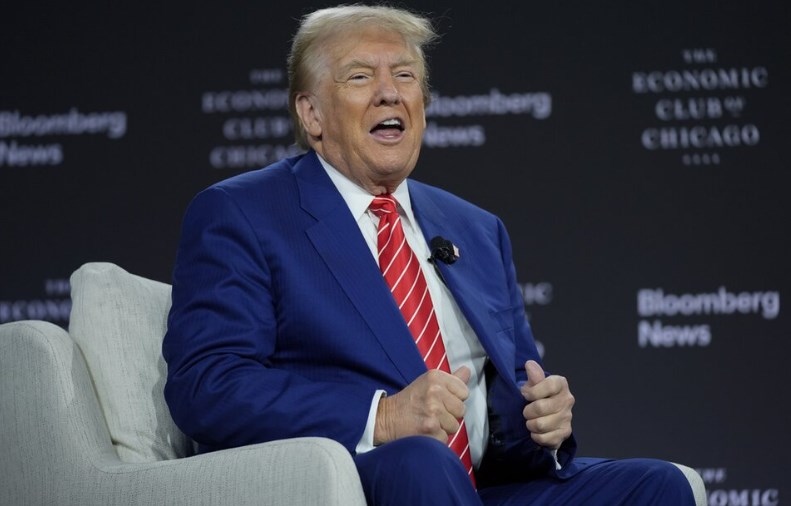
The judges ruled that the proposed tariff plan went beyond the powers granted to the executive branch under existing trade laws. In their opinion, the court emphasized that while presidents do have authority to impose targeted tariffs under certain national security or emergency conditions, implementing a universal import tax across almost all foreign goods required congressional approval.
The ruling immediately drew strong reactions from both political parties. Trump allies criticized the decision as judicial interference in economic policy, arguing that the former president had the right to defend American workers against unfair foreign competition. Opponents, however, hailed the judgment as a victory for consumers and businesses that feared the economic consequences of a broad trade war.
The controversial tariff proposal had been one of Trump’s signature economic promises during his campaign appearances. He repeatedly argued that the United States had been “ripped off” for decades by trading partners such as China and other manufacturing-heavy economies. According to Trump, a universal tariff would encourage companies to move factories back to American soil and create millions of domestic jobs. US court throws out Trump’s 10% global import tarif
However, many economists questioned whether the strategy would actually work. Analysts warned that tariffs function like taxes on imported goods, meaning American companies and consumers often bear the financial burden through higher prices. Industries heavily dependent on global supply chains, including automotive manufacturing, electronics, retail, and agriculture, expressed concerns that the policy would disrupt production and increase costs.
Business groups that challenged the tariff in court argued that the measure would have impacted nearly every sector of the economy. Retailers feared sharp increases in the prices of clothing, electronics, household products, and food items. Manufacturers warned that importing raw materials and components would become more expensive, making American-made products less competitive rather than more attractive.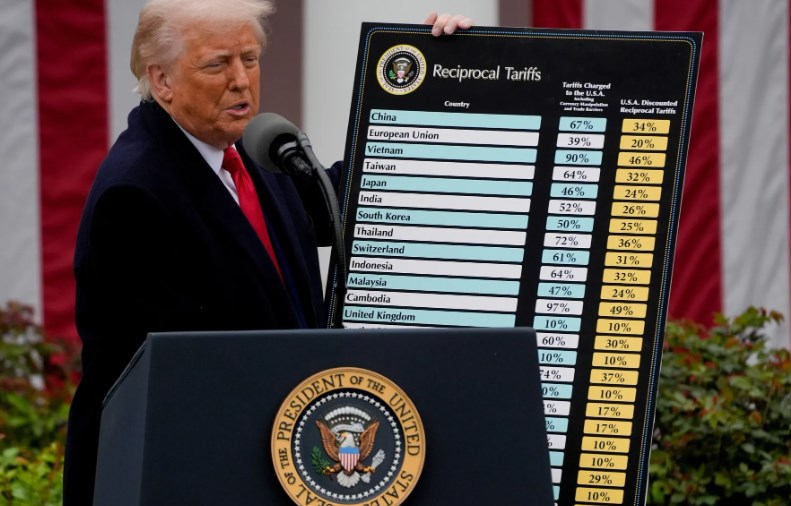
Several economic studies presented during the legal battle suggested the tariff could cost U.S. households thousands of dollars annually through higher prices. Critics also warned that foreign governments could retaliate with tariffs of their own, potentially hurting American exports and farmers.
The court’s ruling highlighted concerns over executive overreach. Legal experts noted that U.S. trade laws allow presidents to impose tariffs under limited circumstances, such as national security threats or unfair trade practices. But the judges found that Trump’s proposal lacked the specific legal justification necessary for such a sweeping policy.
The case also reignited broader debates about globalization and economic nationalism in the United States. Over the last decade, frustration over factory closures and outsourcing has fueled growing skepticism toward free trade agreements. Trump successfully tapped into those concerns during his rise to political prominence, promising to revive American manufacturing and confront countries accused of unfair trade practices. US court throws out Trump’s 10% global import tarif
During his presidency, Trump imposed tariffs on hundreds of billions of dollars worth of Chinese goods, sparking a prolonged trade war between Washington and Beijing. While some domestic industries benefited from protection against foreign competition, many American businesses faced rising costs and uncertainty. Farmers were particularly affected after China responded with retaliatory tariffs on agricultural exports, forcing the U.S. government to provide billions of dollars in aid to struggling producers.
Despite the court setback, Trump and his supporters are expected to continue pushing for tougher trade measures. Campaign advisers indicated that the former president may appeal the decision or seek alternative methods to implement similar economic policies if he returns to office. Trump has repeatedly argued that aggressive tariffs are necessary to rebuild American manufacturing strength and counter growing competition from China.
Meanwhile, financial markets reacted cautiously to the ruling. Investors viewed the decision as reducing the immediate risk of a massive global trade conflict that could disrupt international commerce. Stocks in major retail and technology companies rose slightly following the announcement, reflecting relief that broad import taxes would not take effect in the near future.
International leaders also welcomed the ruling. Several U.S. allies had privately expressed concerns that a universal tariff would violate trade agreements and damage diplomatic relations. Economists warned that such measures could weaken global economic growth at a time when many countries are already struggling with inflation and slowing markets. US court throws out Trump’s 10% global import tarif
Trade policy remains one of the most divisive issues in American politics. Supporters of tariffs argue that decades of free trade have hollowed out industrial communities and shifted jobs overseas. Critics counter that protectionist measures often create unintended economic consequences, including higher prices and retaliatory trade barriers.
The court’s decision does not end the broader political debate. Instead, it highlights the tension between economic nationalism and the realities of a deeply interconnected global economy. While Trump continues to position himself as a champion of American manufacturing, the ruling underscores the legal limits presidents face when attempting to reshape trade policy without congressional approval.
For now, businesses and consumers are breathing a sigh of relief. Many feared the 10% global import tariff would create widespread uncertainty across industries already dealing with inflation, supply chain disruptions, and economic volatility. The decision provides temporary stability, though the future of U.S. trade policy remains uncertain as political battles continue ahead of the next election cycle.
As the legal and political fight unfolds, one thing is clear: trade will remain a central issue in America’s economic future. Whether through tariffs, industrial subsidies, or new trade agreements, leaders in Washington will continue searching for ways to balance domestic manufacturing interests with the demands of a global marketplace. The court’s rejection of Trump’s sweeping tariff proposal may have halted one approach, but the larger debate over how America competes in the world economy is far from over. US court throws out Trump’s 10% global import tarif
About the Author