Trump tariff refunds begin. Who qualifies, what consumers should know – As the effects of former President Donald Trump’s sweeping tariff policies continue to ripple through the American economy, a new wave of “tariff refunds” is beginning to reach some businesses and consumers. The development has sparked widespread confusion and curiosity, with many Americans wondering who qualifies, how the refunds work, and whether ordinary shoppers will actually see any financial relief.
For months, tariffs on imported goods have contributed to rising prices on everything from electronics and automobiles to household appliances and clothing. Now, after mounting legal challenges, trade negotiations, and administrative reviews, some importers are finally receiving reimbursements for duties they previously paid under Trump-era trade policies.
While the refunds are largely aimed at businesses, the broader economic impact could eventually trickle down to consumers. Here’s what Americans need to know about the tariff refund process, who stands to benefit, and why the issue matters in today’s economy.
What Are Trump Tariff Refunds?
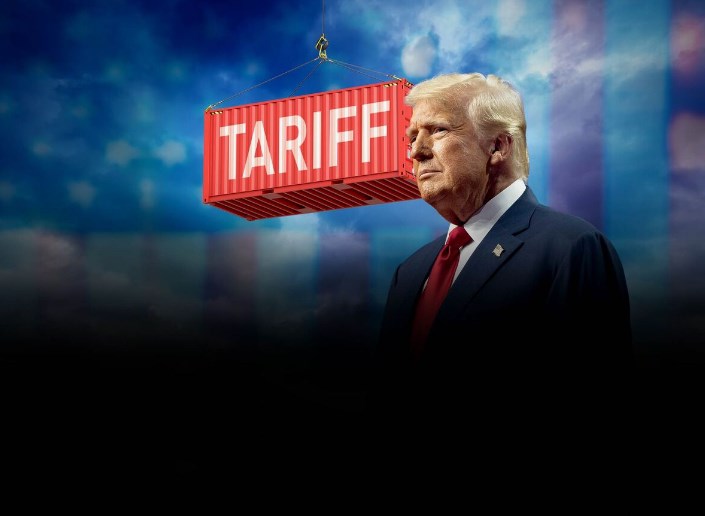
Tariff refunds are reimbursements issued to companies that paid import taxes on foreign goods during the Trump administration’s aggressive trade campaigns. During his presidency, Trump imposed hundreds of billions of dollars in tariffs on products imported from countries including China, arguing that the measures would protect American manufacturing and reduce trade imbalances. Trump tariff refunds begin
The tariffs affected thousands of products, including steel, aluminum, machinery, electronics, furniture, and consumer goods. Importers — usually U.S.-based companies — were required to pay these additional taxes when bringing products into the country.
Over time, however, many businesses challenged the tariffs in court or sought exemptions through federal review programs. Some companies argued that the tariffs were improperly applied, while others claimed they faced severe financial hardship as a result of the extra costs. Now, after years of litigation and government review, certain importers are beginning to recover some of the money they paid.
Why Refunds Are Happening Now
The refund process has accelerated because of several overlapping factors. First, some tariffs were overturned or modified following legal challenges. Courts and trade agencies have reexamined whether certain products should have been included under tariff rules. Second, the federal government has expanded exclusion programs allowing businesses to apply for exemptions retroactively. In some cases, companies that successfully secured exclusions can reclaim duties they previously paid. Trump tariff refunds begin
Third, pressure from industries hit hard by inflation and supply-chain disruptions has pushed officials to speed up decisions involving tariff disputes. Trade experts say the refunds represent a significant shift in how the long-running tariff battle is evolving. For years, businesses absorbed the additional costs with little clarity about whether relief would ever arrive. Now, companies across sectors ranging from retail to manufacturing are finally seeing reimbursement checks or credits issued through U.S. Customs and Border Protection.
Who Qualifies for Tariff Refunds?
Not every company or consumer qualifies for a refund. Eligibility depends on several factors, including the type of product imported, the timing of the tariffs, and whether the importer successfully applied for an exclusion or won a legal challenge.
Generally, refunds may apply to:
Businesses that imported goods covered under approved tariff exclusions
Companies involved in successful trade lawsuits
Importers whose products were later determined to be exempt
Firms that paid tariffs under categories later revised by regulators
Large importers are among the biggest beneficiaries because they paid millions — and sometimes billions — in duties during the height of the trade war.
Industries most affected include:
Consumer electronics
Automotive manufacturing
Industrial machinery
Retail and apparel
Construction materials
Home appliance companies
Small businesses may also qualify, though many lacked the legal resources or administrative staff needed to navigate the complicated refund process.
Will Consumers Receive Direct Refund Checks?
For most Americans, the answer is no. Tariff refunds are generally issued to importing businesses, not directly to shoppers. Consumers do not typically receive individual reimbursement payments for higher prices they paid at stores. However, economists say consumers could still benefit indirectly if companies choose to lower prices, expand inventory, or reduce future price increases. Trump tariff refunds begin
Whether that happens depends heavily on market conditions. Some companies may use refunds to offset past losses rather than cutting prices immediately. Others could invest the recovered money into operations, staffing, or supply chains instead of passing savings to customers. Still, any reduction in import costs can ease pressure on pricing over time, especially in highly competitive industries where retailers compete aggressively for customers.
How Tariffs Affected Everyday Americans
Although tariffs were technically imposed on imported goods, economists widely agree that much of the cost was ultimately passed along to American consumers. When importers paid higher duties, businesses often raised prices to protect profit margins. As a result, shoppers faced more expensive products across multiple categories.
Items impacted included:
Smartphones and electronics
Washing machines and refrigerators
Furniture
Auto parts
Tools and hardware
Clothing and footwear
Some studies estimated that American households paid hundreds of dollars more annually because of tariff-related price increases. Supporters of the tariffs argued that the policies encouraged domestic manufacturing and reduced dependence on foreign supply chains. Critics, however, said the measures functioned as a hidden tax on American consumers and businesses. The debate remains politically divisive, especially as tariffs continue to play a major role in U.S. trade policy discussions ahead of future elections.
Businesses Still Face Uncertainty
Even with refunds beginning to flow, uncertainty remains high. Many tariff disputes are still unresolved, and companies continue waiting for decisions involving billions of dollars in potential reimbursements. Some cases may take years to fully settle. At the same time, concerns about future tariffs remain a major issue for global businesses. Trade tensions between the United States and China have not disappeared, and policymakers from both political parties continue debating whether tariffs should remain in place, be expanded, or be rolled back.
Companies are also grappling with broader economic challenges, including inflation, shipping disruptions, and changing consumer demand. For businesses that relied heavily on imports, tariff costs often forced difficult decisions involving layoffs, price hikes, or supply-chain restructuring. Some manufacturers shifted production to countries outside China to avoid tariffs, while others increased domestic sourcing where possible.
What Consumers Should Watch For
Consumers may not receive direct payments, but there are still several things worth paying attention to in the coming months. If tariff-related costs continue easing, shoppers could see more stable pricing on imported products. Retail promotions may also improve if businesses regain some financial flexibility. Industries that depend heavily on overseas manufacturing — including electronics, home goods, and appliances — are especially likely to feel the effects. Trump tariff refunds begin
Consumers should also pay attention to political developments involving trade policy. Tariffs remain a powerful economic tool that future administrations could expand or modify depending on broader geopolitical goals. Trade experts caution that while refunds may provide temporary relief, they do not necessarily signal the end of tariff-related inflation pressures. Global supply chains remain vulnerable to disruptions, and international trade relationships continue evolving rapidly.
The Bigger Economic Picture
The tariff refund situation highlights the long-lasting consequences of major trade policies. What began as an aggressive effort to reshape global trade has evolved into a complex legal and economic battle affecting businesses, consumers, and entire industries years later. For some companies, refunds represent long-overdue relief after absorbing massive financial burdens. For consumers, the impact may be less visible but still meaningful if lower import costs eventually help slow price increases.
At the center of the debate is a broader question that continues dividing economists and political leaders alike: Do tariffs ultimately protect American industries, or do they place unnecessary costs on businesses and families? As refund programs expand and trade policies continue shifting, that question is likely to remain at the forefront of the national economic conversation for years to come. Trump tariff refunds begin
About the Author