US Ambassador promises investments of up to €20 billion in Belgium
US Ambassador promises investments of up to €20 billion in Belgium – A new wave of potential American investment could be heading toward Belgium, with U.S. Ambassador Bill White saying American companies could invest between €15 billion and €20 billion in the Belgian economy. The comments come at a particularly interesting moment for relations between Washington and Brussels, as both countries look to deepen cooperation in energy, defense and business.
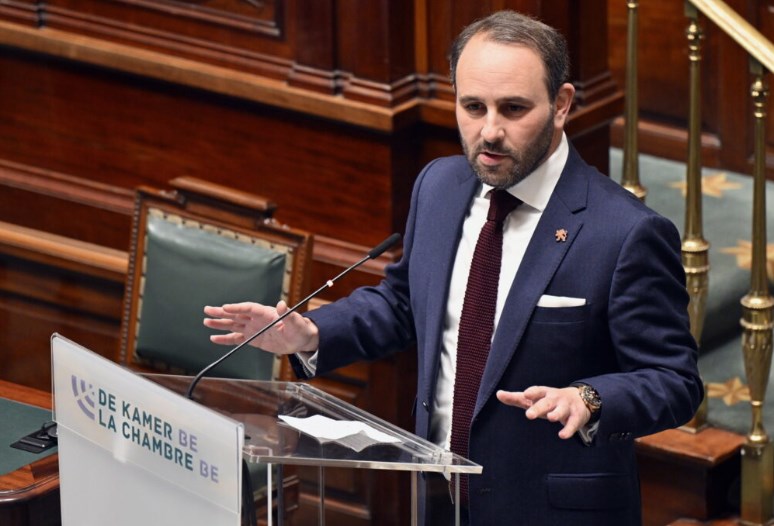
White made the remarks after meeting Belgian Foreign Minister Maxime Prévot. The meeting took place against the backdrop of controversy surrounding a leaked Belgian Foreign Ministry document that questioned whether the United States could still be considered a reliable ally under President Donald Trump. White has strongly rejected the document’s characterization of the bilateral relationship.
Rather than allowing the diplomatic dispute to dominate the conversation, the ambassador highlighted the economic opportunities still developing between the two countries. His comments suggest that American businesses see Belgium as a market with significant potential, particularly in strategically important industries.
A Major Investment Promise Without a Detailed Shopping List
The headline figure is certainly eye-catching: €15 billion to €20 billion in potential investment. However, it is important to understand what White actually announced. The ambassador did not provide a list of companies, signed contracts or individual projects that would make up the €20 billion figure. Instead, he said he expects American companies to invest that amount in Belgium’s economy. The precise timing and structure of those investments were also not specified.
That distinction matters because potential investment is different from money that has already been committed. Projects of this scale can take years to negotiate, finance, approve and construct. Some may ultimately be smaller than initially expected, while others could expand as companies finalize their plans. Still, White’s statement indicates that substantial discussions are underway. He specifically pointed toward nuclear energy and defense as two areas where American companies could become more deeply involved. He also wants to use the U.S. Embassy as a meeting point for Belgian and American businesses, creating opportunities for companies on both sides to explore partnerships.
Nuclear Energy Could Become a Central Part of the Relationship
Energy appears to be one of the most significant areas of potential cooperation. Belgium has been reconsidering its approach to nuclear power as it looks for reliable energy sources and greater energy security. The U.S. Embassy has separately said Washington is working on billions of dollars in potential investment related to nuclear energy and LNG exports. In one recent statement, the embassy said the United States could provide Belgium with up to $20 billion in financing for nuclear energy.
For American companies, Belgium offers a strategically important location in the heart of Europe. For Belgium, American investment could bring financing, technology and industrial expertise at a time when energy security remains an important economic issue. Nuclear cooperation could also become more than an energy story. Large projects can involve engineering firms, construction companies, technology suppliers, financial institutions and specialized workers. If projects move forward, their economic effects could therefore spread well beyond the companies directly operating nuclear facilities.
At the same time, major energy projects typically require extensive regulatory reviews, financing arrangements and political decisions. The €20 billion figure should therefore be viewed as a potential investment scale rather than a completed commitment.
Defense Is Another Area Getting Attention
Defense is the second major area highlighted by White. Belgium is a NATO member and hosts important European and transatlantic institutions, making it strategically significant for both the United States and Europe. Increased defense spending across Europe has created additional opportunities for companies involved in military equipment, technology, logistics and manufacturing. The U.S. Embassy said it is working toward defense co-production deals with Belgium, suggesting that future cooperation could involve more than simply selling American equipment to Belgian buyers.
Co-production can potentially create industrial opportunities in both countries. Belgian companies could become part of American-led supply chains, while U.S. companies could gain a stronger manufacturing and commercial presence in Europe. This is particularly relevant as European countries reassess their defense capabilities. The changing security environment has encouraged NATO members to increase spending and examine supply chains more closely. For Belgium, deeper industrial cooperation with American defense companies could therefore have implications for both national security and domestic industry.
The Investment Message Comes During a Diplomatic Dispute
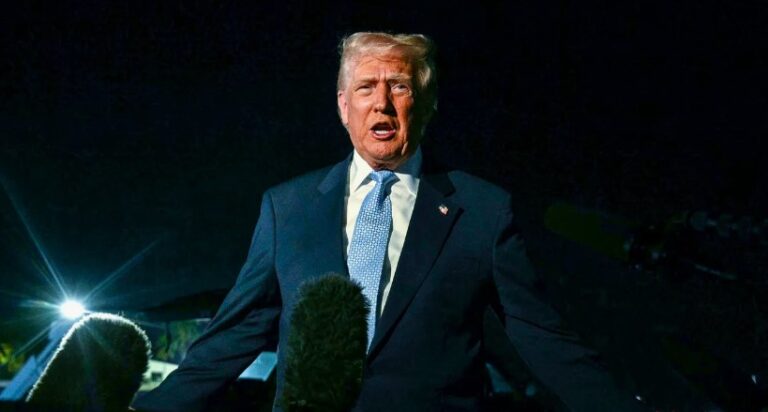
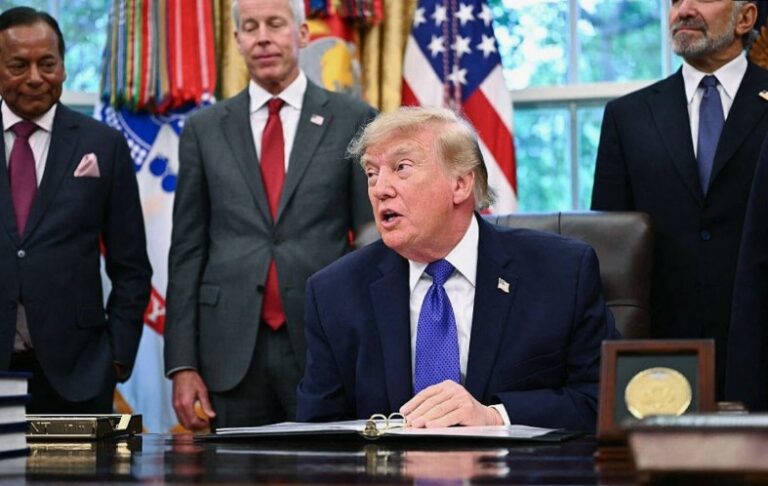
The timing of White’s comments is perhaps as important as the investment figure itself. A leaked internal Belgian Foreign Ministry note reportedly described the United States under Trump’s administration in unfavorable terms and suggested that Belgian officials should strengthen relationships with Trump’s political opponents. White dismissed the document as “garbage.” Belgian officials, however, emphasized that the document was a working-level “reflection paper.” Prévot’s office said it was created to analyze international developments and develop possible policy proposals. It was not, according to the Belgian side, an approved government strategy or finalized political position toward Washington.
Against that background, the ambassador’s focus on investment sends a different message: whatever disagreements may exist at the political level, American and Belgian businesses continue to have significant economic interests in common. That separation between diplomatic disagreements and commercial relationships is not unusual. Companies tend to focus on market opportunities, infrastructure, customers, supply chains and long-term returns, even when governments experience periods of tension.
Why Belgium Remains Attractive to American Companies
Belgium has several characteristics that can make it appealing to international investors. Its central location gives companies access to major European markets, while its transportation infrastructure connects businesses with neighboring countries and international trade routes. Belgium also hosts major European Union institutions, making Brussels an important center for European policymaking.
The U.S. State Department has previously described Belgium as an attractive destination for American investors because of its location, highly educated workforce, research capabilities and infrastructure. American companies have long operated in sectors ranging from chemicals and petrochemicals to technology, healthcare and food processing.
The relationship is therefore not starting from zero. American business already has a substantial presence in Belgium, and the new investment discussions could represent an expansion of an established economic partnership. For Belgian businesses, stronger American investment could mean new customers, suppliers, technology partnerships and employment opportunities. For U.S. companies, Belgium can function as a gateway into the wider European market.
What Happens Next?
The next step will be turning broad investment expectations into specific projects. White has proposed bringing Belgian and American businesses together through an event at the U.S. Embassy. Such a meeting could provide a practical forum for companies to discuss projects, financing, partnerships and supply chains. The sectors to watch most closely will likely be nuclear energy and defense, although the final investment total could involve other industries as well.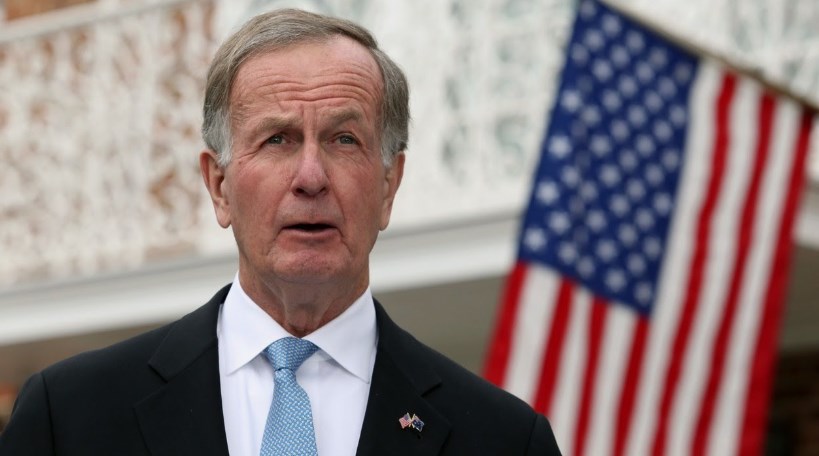
For now, the €15 billion to €20 billion figure should be understood as a potential investment expectation rather than a finalized package of contracts. No complete breakdown of the projects, companies or timetable has been publicly provided. Even so, the announcement illustrates the depth of the economic relationship between Belgium and the United States. At a time when diplomatic relations are receiving intense attention, business ties remain an important part of the partnership.
If even a portion of the potential investment materializes, it could create new opportunities across Belgian industry while strengthening American corporate involvement in Europe’s strategic energy and defense sectors. The coming months will show whether the ambitious figure becomes a collection of signed projects—or remains primarily an expression of what Washington believes is possible. US Ambassador promises investments of up to €20 billion in Belgium
About the Author