There is doubt about Trump’s allegations that China meddled in the election. Here’s why – In his primetime speech on election integrity, President Donald Trump made numerous assertions. Experts are dubious, including former US intelligence officers.
In his speech to the country on July 16, President Donald Trump covered a wide range of topics, including serious domestic electoral vulnerabilities and China’s alleged intervention in U.S. elections to defeat him.
Trump made broad assertions regarding the susceptibility of U.S. elections to both foreign meddling and cyber and technological weaknesses in his remarks and in the previously top-secret papers he wanted declassified to support his argument.
According to some specialists who have examined Trump’s assertions and the recently revealed materials, the president is misrepresenting them. This includes Sen. Mark Warner (D-VA), the leading Democrat on the Senate Intelligence Committee.
The materials outline real-world cyberthreats and weaknesses. However, they contend that there is little evidence to support the president’s allegations that U.S. elections are vulnerable or that China meddled in them in a way that would have significantly impacted Trump’s defeat to Democrat Joe Biden in 2020.
Based on previously classified U.S. intelligence materials, the following is a summary of Trump’s main points, along with any plausible rebuttals:
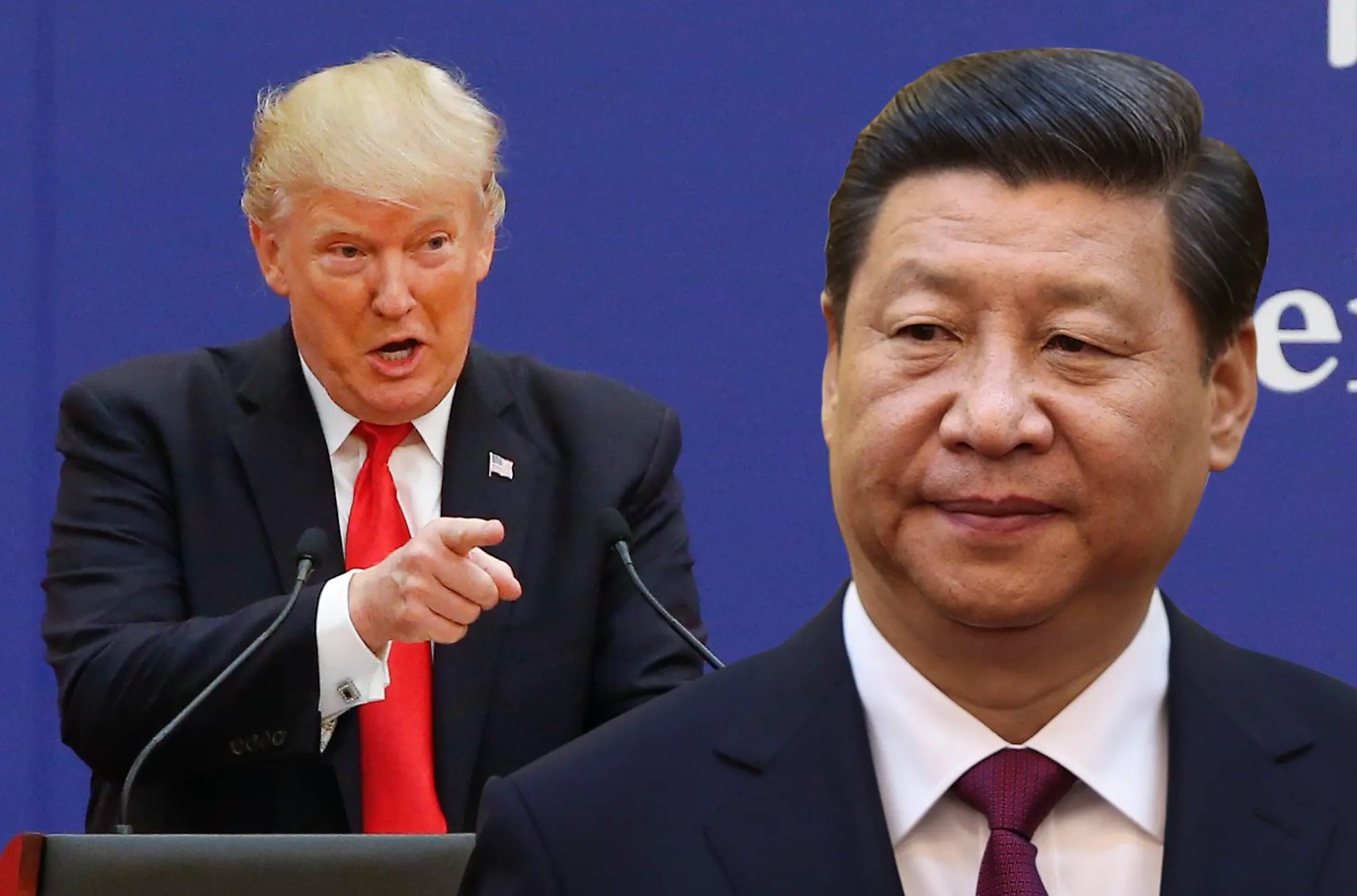
China’s manipulation and concealment of elections
Trump’s assertion: China attempted to sabotage the 2020 election in a number of ways, including stealing 220 million voter files, compromising U.S. voter data, and secretly influencing American journalists and corporate executives. Additionally, Trump said that the FBI’s 2020 raw intelligence revealed China’s intention to produce illegal ballots for Biden.
According to a recent interview, U.S. intelligence assessments have long recognized intervention by China, Russia, and other nations, and he had previously seen the confidential papers mentioned by Trump. None of those nations attempted to tamper with voter registration, ballot casting, tabulation, or result reporting, according to those studies, including a crucial intelligence assessment regarding the 2020 election published in March 2021. However, the evaluation made it clear that it did not consider the impact of foreign influence activities on voters or the results of the election.
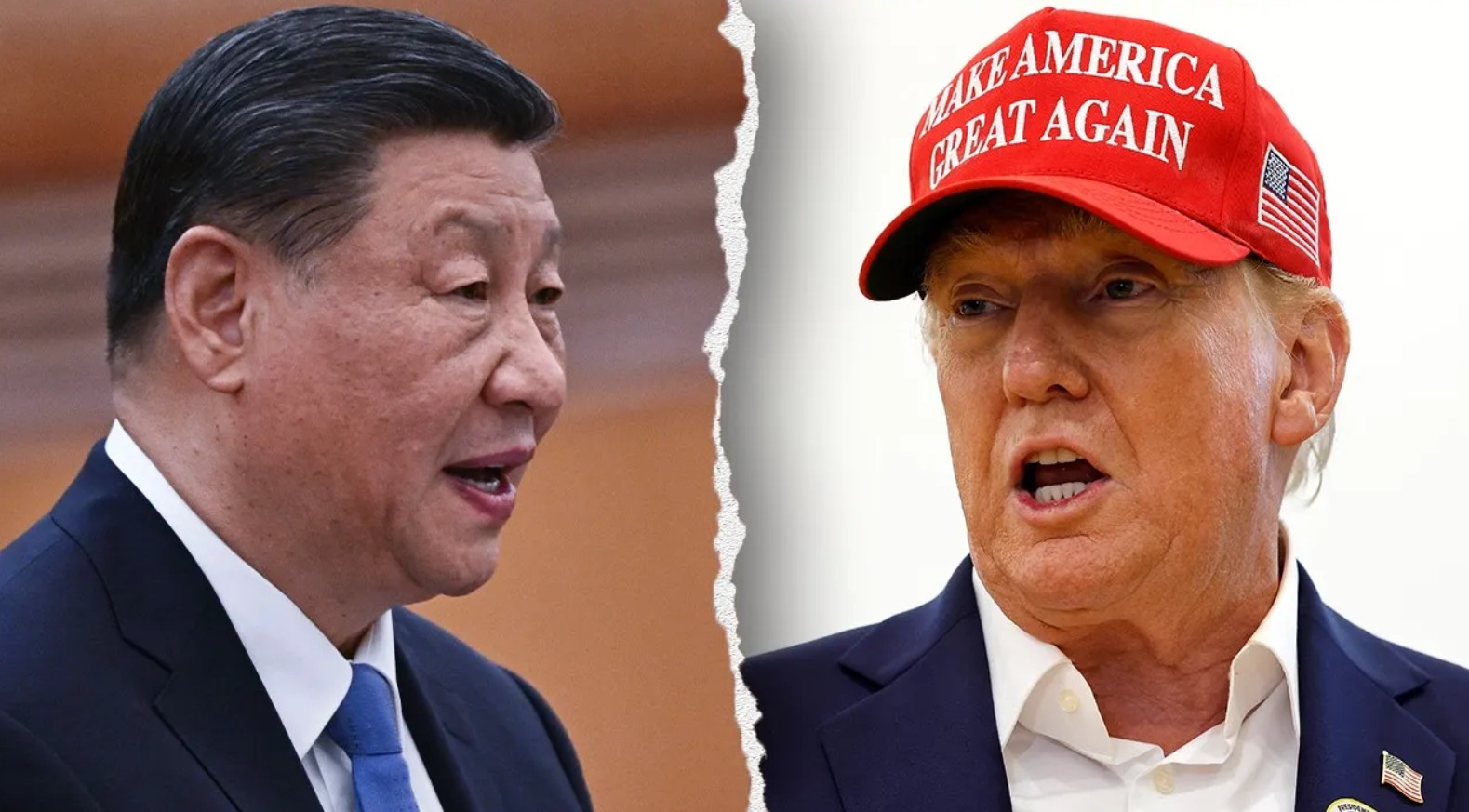
According to declassified versions of it that were made public at the time, the majority opinion of the intelligence community, expressed with high confidence in 2021, was that China contemplated but did not carry out an influence operation meant to alter the outcome of the presidential election. Liu Chang, a Chinese government spokesperson, told on July 16 that the “U.S. election is an internal matter of the U.S.” The American people’s votes determine its fate. China has never meddled in American presidential elections and never will.
The intelligence community has “zero evidence” that a foreign power “flipped a vote in the 2020, 2022 or 2024 elections,” according to White House aide John Solomon, who assisted in reviewing the papers following Trump’s speech on July 16.
Regarding Trump’s claim that China stole or hacked 220 million files, it seems to go beyond the White House’s own account, which stated that records might potentially have been “bought.” Election experts, including as former Justice Department attorney David Becker, told that unfriendly governments could have easily obtained some of the disputed information, which are accessible for purchase by campaigns, researchers, and other eligible buyers.
Cover-ups by US intelligence agencies
Trump claims that U.S. intelligence services, such as the CIA, FBI, and National Security Agency, suppressed and minimized the scope of China’s actions in order to conceal information about the country’s attempts and plans to harm Trump’s electoral prospects. Information on China’s election targeting was “deliberately massaged” and excluded from presidential briefings, according to internal records.
Reaction: The 18 U.S. intelligence agencies constantly disagree about how much weight to give specific pieces of evidence, particularly when it comes to something as ambiguous as Russia’s and China’s plans to sway U.S. elections.
certain of those disagreements were made public by the intelligence community in its 2021 assessment, such as the National Intelligence Officer for Cyber’s “minority view” that China had taken certain actions to hurt Trump’s chances of winning reelection, mostly through public remarks and social media. However, it concluded that China “did not deploy interference efforts and considered but did not deploy influence efforts intended to change the outcome of the US Presidential election.”
Regarding his allegations of a cover-up, Sue Gordon, who served as Trump’s principal deputy of national intelligence from 2017 to 2019, told CNN on July 16 that the intelligence community frequently alerted Trump to attempts by foreign governments to meddle in American elections, mainly to erode voters’ faith in the system. However, she stated, “Activity is not intent. Activity has no effect. Impact is not an outcome.
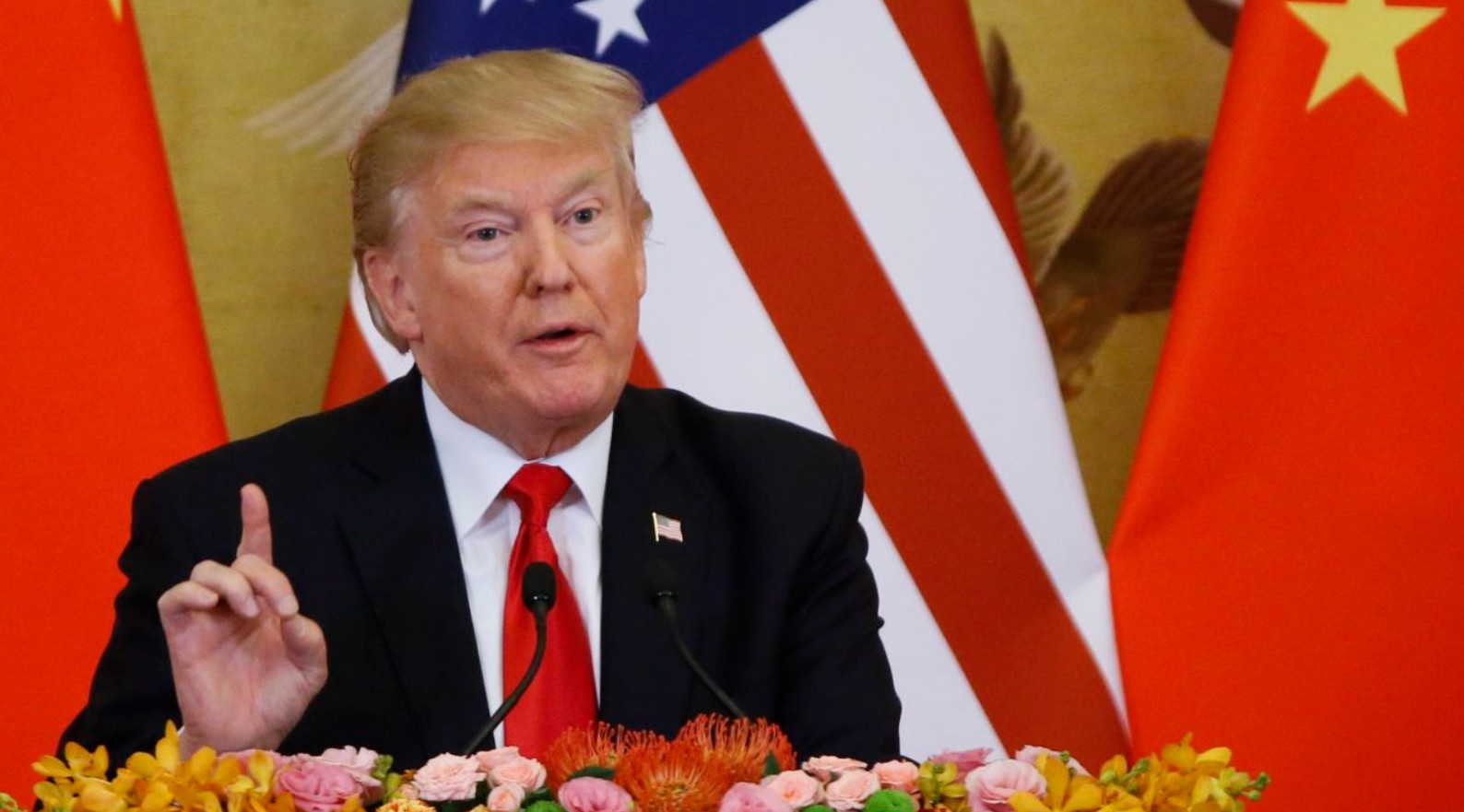
Election infrastructure vulnerabilities
Trump’s assertion: Electronic voting machines and other election infrastructure in the United States are readily compromised and have been compromised. The most susceptible to manipulation are centralized data repositories pertaining to elections. According to intelligence estimates, rivals like as North Korea, China, Iran, and Russia have the ability to breach U.S. electoral infrastructure.
Reaction: For over ten years, U.S. intelligence and cybersecurity authorities have recognized these weaknesses and voiced concerns about them. To combat those actions in real time, the intelligence community even established a separate Foreign Malign Influence Center in 2022. However, after gaining back the White House in January 2025, Trump disbanded the FMIC and other important U.S. government initiatives to identify and address election infrastructure vulnerabilities and incursions.
Election tampering in Venezuela
Trump’s assertion: The CIA received information about a specific scheme to electronically rig elections in favor of Venezuela’s Maduro government.
Reaction: That argument is significantly less convincing than some previous claims made by Trump supporters that Venezuela had some involvement in influencing U.S. elections by gaining access to voting equipment. On July 16, Solomon responded to questions from reporters regarding the Venezuela charges by saying, “The intelligence is very clear.” They used their own equipment to accomplish it.
State-level fraud and non-citizen voter cover-up Trump’s allegations: About 278,000 non-citizens were registered to vote in federal elections, according to the Department of Homeland Security. Significant evidence of fraud, including a massive voter registration drive in Michigan, was concealed by election officials. Additionally, the FBI discovered that canvassers submitted bogus registration forms and signed voter registration forms in other people’s identities, but the Biden Justice Department stalled the investigation before ending it.
Reaction: Department of Homeland Security officials are scheduled to provide additional information about that on July 17, as Trump recognized. It is difficult to evaluate Trump’s assertions without knowing the specifics of what he is accusing, particularly the methodology. However, according to FactCheck.org, DHS’s SAVE database is infamous for generating false positives, especially when it comes to individuals who obtained naturalization after an earlier immigration record was established.
There were proven problems, such as false or suspicious registration applications, in the Muskegon, Michigan, case that Trump mentioned. However, before Election Day, officials identified and rejected the dubious applications; as a result, no votes were cast.
TV networks are being attacked for failing to air Trump’s speech live.
Trump’s claim: In an unprecedented step, Trump demanded that the Federal Communications Commission cancel ABC and NBC’s broadcast licenses for declining to air his primetime speech. “They and others in the media are part of a plot. … They want to protect the radical left,” he said, accusing the networks of not wanting to “reveal” the election fraud he claimed in his address.
Reaction: ABC and NBC did cover Trump’s speech, even if they may not have preempted their primary broadcast networks. The address was live-streamed by both on their websites, and NBC subsequently broadcast a special report. CNN made the feed available digitally and offered further conversation and analysis of the address.
Read Also:
- Updates on the cyclosporiasis outbreak, Taco Bell lettuce, and cases
- Independent entities have been reduced as Trump warns of election dangers.
- The reason of death for “Jurassic Park” star Sam Neill was disclosed.
- Feds claim that drugs may have been inside the van in the fatal Houston ICE shooting.
- In lieu of her brother Lindsey, Darline Graham Nordone was sworn in as a US senator.
About the Author