Two-thirds say Trump hasn’t made a case for Iran war, poll finds
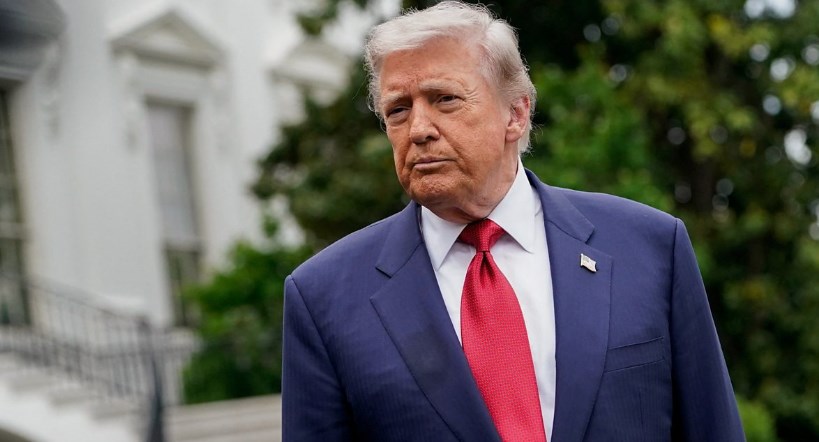
Two-thirds say Trump hasn’t made a case for Iran war, poll finds – A growing majority of Americans are questioning whether President Donald Trump has clearly explained why the United States is involved in a widening conflict with Iran. According to a recent Reuters/Ipsos poll, nearly two-thirds of respondents believe the administration has failed to provide a convincing explanation for the war’s objectives, revealing a deep sense of uncertainty and frustration across the political spectrum.
The findings reflect more than simple political disagreement. They point to a growing anxiety among ordinary Americans who are increasingly worried about rising fuel prices, economic instability, and the possibility of another prolonged military conflict in the Middle East. While the White House continues to defend its actions as necessary for national security, many voters say they still do not understand what success in the conflict would actually look like.Two-thirds say Trump hasn’t made a case for Iran war
The war, which began in late February following a joint U.S.-Israeli bombing campaign against Iranian targets, has now stretched into its third month. What initially appeared to be a limited military operation has evolved into a broader geopolitical standoff involving oil routes, global trade, and diplomatic tensions with several world powers. For many Americans, memories of past wars in Iraq and Afghanistan are difficult to ignore. Those conflicts also began with promises of quick victories and strategic necessity, only to become years-long engagements with enormous financial and human costs. Critics argue that the Trump administration has not learned from those experiences and has instead relied on vague rhetoric rather than detailed explanations.
The Reuters/Ipsos survey found that 66% of respondents said Trump had not “clearly explained the goals of U.S. military involvement in Iran.” Even among Republicans, a significant number expressed uncertainty about the administration’s direction. That skepticism appears to be driven in part by the economic fallout from the conflict. Gasoline prices have surged dramatically since fighting began, fueled by instability around the Strait of Hormuz, one of the world’s most important oil shipping routes. Iran’s actions in the region have disrupted energy markets, causing prices to climb and adding pressure to household budgets already strained by inflation.
For many families, the impact is immediate and personal. Americans surveyed in the poll reported cutting back on travel plans, spending less on entertainment, and worrying more about everyday expenses. Nearly two-thirds said rising gas prices had negatively affected their financial situation. Political analysts say economic concerns often shape public opinion about wars more than military developments themselves. As costs rise at home, support for foreign intervention tends to weaken. That pattern appears to be repeating now, especially as the administration struggles to communicate a clear endgame.
Trump has defended the military campaign by insisting that Iran cannot be allowed to develop nuclear weapons. He has repeatedly claimed that American strength is necessary to prevent future threats. However, critics say the administration has offered few specifics beyond those broad statements. Meanwhile, diplomatic negotiations between Washington and Tehran remain stalled. A fragile ceasefire has been described by officials as being “on life support,” with both sides refusing to compromise on key demands. Iran has reportedly sought sanctions relief and recognition of its regional influence, while the U.S. continues to insist on major restrictions to Tehran’s nuclear activities. Two-thirds say Trump hasn’t made a case for Iran war
The uncertainty surrounding those talks has only intensified public concern. Many Americans fear the country is drifting deeper into a conflict without a realistic strategy for peace. Polls conducted over the past several months consistently show declining support for military escalation and growing pressure for a diplomatic resolution. Another issue complicating the situation is Congress’s role in authorizing military action. Previous surveys found that most Americans believe the administration should seek congressional approval before expanding operations against Iran. That debate has reignited constitutional questions about presidential war powers and executive authority.
The political consequences could become significant as midterm elections approach. Republicans currently hold narrow congressional majorities, and rising dissatisfaction over the economy and the war may create vulnerabilities for the party. Some polls suggest voters increasingly blame Republican leadership for the economic impact of the conflict, particularly the surge in fuel prices. Despite the criticism, Trump’s overall approval rating has shown only modest movement. Some supporters continue to back his aggressive foreign policy stance, arguing that projecting military strength is necessary in dealing with Iran. Others view the conflict as part of a broader struggle over America’s influence in the Middle East.
Still, the broader public mood appears uneasy. Surveys from multiple organizations, including Reuters/Ipsos, CBS News, and ABC News, indicate that many Americans remain unconvinced that the war is making the country safer. Some believe the conflict may actually increase long-term instability and raise the risk of retaliatory attacks. Two-thirds say Trump hasn’t made a case for Iran war
Foreign policy experts warn that prolonged uncertainty can erode public trust even further. When administrations fail to clearly define military objectives, citizens often begin questioning not only the strategy itself but also the credibility of the leadership behind it. That appears to be happening now as Americans search for answers about the true purpose and potential cost of the war. At the same time, international pressure is mounting. Allies in Europe and Asia are increasingly concerned about disruptions to global trade and energy markets. Oil prices have climbed sharply, shipping routes remain vulnerable, and fears of broader regional escalation continue to grow.
For ordinary Americans, however, the issue comes down to a simple question: Why is the country at war, and what is the plan to end it?
So far, many feel they have not received a clear answer. As the conflict continues and economic pressures intensify, the administration faces a difficult challenge. It must not only manage a volatile international crisis but also convince the American public that the sacrifices being demanded have a clear purpose and achievable outcome. Whether Trump can successfully make that case may shape not only the future of the Iran conflict, but also the political future of his presidency itself. Two-thirds say Trump hasn’t made a case for Iran war
About the Author