You’ve heard of flip phones, but Logitech may be making a flip mouse – For years, tech companies have tried to reinvent the tools we use every day. Phones became foldable. Laptops became tablets. Even keyboards have been redesigned into split, curved, and ultra-thin versions. But now, another familiar gadget may be getting a dramatic makeover: the computer mouse. Logitech, one of the biggest names in computer accessories, appears to be exploring a concept that sounds both unusual and surprisingly futuristic — a flip mouse.
At first glance, the idea feels almost absurd. A mouse is already small, portable, and simple. Why would anyone want one that folds in half? Yet if the rumors and design concepts are accurate, Logitech may be trying to solve a problem millions of remote workers, travelers, and digital nomads deal with every day: portability without sacrificing comfort.
The modern tech world is obsessed with mobility. People no longer work only at desks in offices. Today, work happens in coffee shops, airports, classrooms, co-working spaces, and kitchen tables. Laptops have become thinner and lighter to support that lifestyle, but accessories have struggled to keep up. A good ergonomic mouse is usually bulky, while compact travel mice often feel cramped and uncomfortable after long use. That’s where the idea of a flip mouse becomes interesting.
Imagine a mouse that folds flat when you slip it into your backpack but expands into a full-sized ergonomic shape when you place it on your desk. Instead of carrying around a thick accessory that takes up space, users could have something sleek and pocket-friendly without compromising usability. It’s not an entirely new concept. Tech companies have experimented with foldable accessories before. Microsoft once released the Arc Mouse, which curved into shape during use and flattened for storage. It looked futuristic and gained attention for its portability, though some users found it awkward compared to traditional mice. Logitech, however, has a reputation for refining ideas and making them mainstream. If the company truly is developing a flip mouse, there’s a good chance it would aim for practicality rather than novelty alone. You’ve heard of flip phones
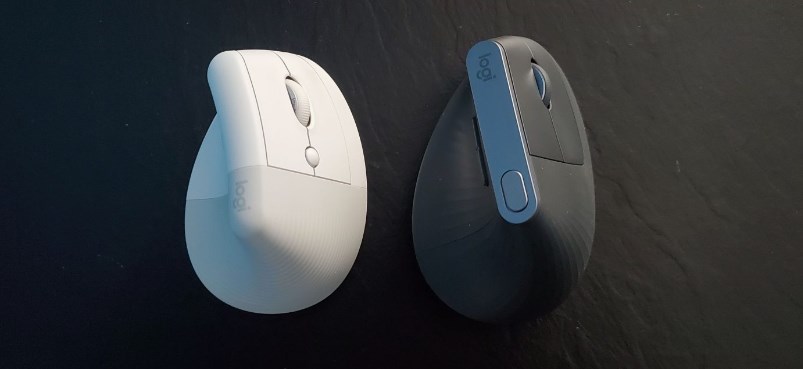
Logitech has spent years dominating the mouse market with products designed for gamers, office workers, creatives, and casual users alike. Devices like the MX Master series have become favorites among professionals because of their ergonomic designs and productivity features. The company understands that people care deeply about comfort, especially when they spend hours every day clicking, scrolling, and navigating screens. A folding mouse could represent Logitech’s attempt to merge ergonomics with mobility in a smarter way.
The timing also makes sense. Hybrid work has permanently changed how people interact with technology. Employees move between office desks and home setups. Students carry their tech across campuses. Creators edit videos on flights and answer emails in hotel rooms. As mobility becomes more important, accessories that adapt to changing environments become more appealing. You’ve heard of flip phones
There’s also the psychological factor of innovation. Consumers are drawn to products that feel futuristic. Foldable phones once seemed unnecessary, but companies continued improving them until they became status symbols and premium devices. The same pattern could happen with accessories. A flip mouse would instantly stand out in a market where most products look nearly identical. Of course, innovation alone doesn’t guarantee success.
The biggest challenge for a foldable mouse would be durability. A standard mouse has very few moving parts beyond its buttons and scroll wheel. Add a hinge mechanism, and suddenly there’s another component that can wear out over time. Consumers already worry about hinge reliability in foldable smartphones, and those devices cost significantly more than a typical mouse. Logitech would need to convince buyers that a flip design could survive years of opening, closing, and daily use.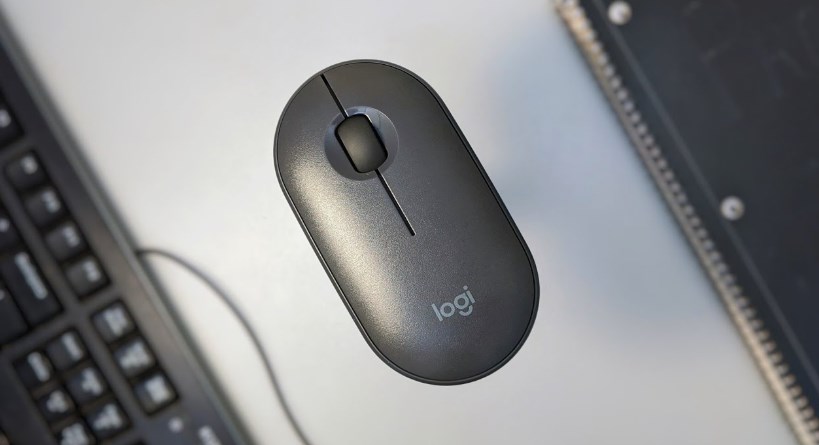
Comfort would also be critical. Many compact mice fail because they prioritize size over ergonomics. A mouse may look stylish in advertisements, but if it causes hand fatigue after an hour, users quickly abandon it. Logitech’s reputation depends heavily on user comfort, so any foldable design would likely need extensive testing to ensure it feels natural in the hand. Battery life and connectivity would matter too. Wireless mice have become the standard, especially for portable setups. Users expect seamless Bluetooth pairing, long battery life, and minimal lag. If a flip mouse required too many compromises to achieve its folding design, consumers might stick with traditional options instead.
Still, the idea reflects a larger trend in consumer technology: adaptability
Modern devices are increasingly designed to transform depending on the situation. Phones become tablets. Smartwatches become fitness trackers and payment devices. Even desks can shift between sitting and standing positions. People want technology that adjusts to their lifestyle instead of forcing them into a single way of working.
A flip mouse fits neatly into that philosophy. It’s easy to imagine how such a device could appeal to travelers. Anyone who regularly carries tech gear knows how quickly accessories clutter a bag. Chargers, cables, headphones, and mice compete for limited space. A mouse that folds flat could reduce bulk and make organization easier. Frequent flyers and commuters might especially appreciate a design that slips effortlessly into a laptop sleeve.
There’s also an environmental angle worth considering. Tech companies are under pressure to create products that last longer and reduce waste. If Logitech designed a modular or repairable folding mouse, it could attract consumers who want innovative products without contributing to disposable tech culture. Durability and sustainability are becoming increasingly important selling points, particularly among younger buyers.
Another interesting possibility is customization. A flip mechanism could potentially allow users to adjust the mouse shape depending on their preferences. Some people prefer a flatter grip, while others like a higher ergonomic arch. A transformable design could theoretically support multiple comfort styles in one device.
Whether Logitech officially launches a flip mouse or not, the concept highlights how even the most ordinary gadgets are being reimagined. The computer mouse has existed for decades with relatively few radical changes. Optical sensors improved precision. Wireless technology removed cables. Rechargeable batteries reduced waste. But the overall shape and function have remained mostly consistent. You’ve heard of flip phones
Now, companies seem more willing to challenge those conventions. The real question is whether consumers actually want radical redesigns for everyday accessories. Some innovations solve real problems, while others exist mainly to generate buzz. Foldable phones succeeded because they offered larger screens in smaller packages. A flip mouse would need a similarly compelling reason to exist beyond looking futuristic.
Yet Logitech may understand something important about modern consumers: people increasingly value flexibility. They want devices that fit seamlessly into dynamic lifestyles where work, entertainment, and travel constantly overlap. A folding mouse may sound strange today, just as foldable phones once did. But technology has a habit of turning unusual ideas into normal ones. The gadgets that initially seem unnecessary sometimes become the products people later wonder how they lived without. If Logitech truly is working on a flip mouse, it may not just be experimenting with a quirky design. It could be testing the future of portable productivity itself. You’ve heard of flip phones
About the Author