Trump warns Iran that clock is ticking as talks stall
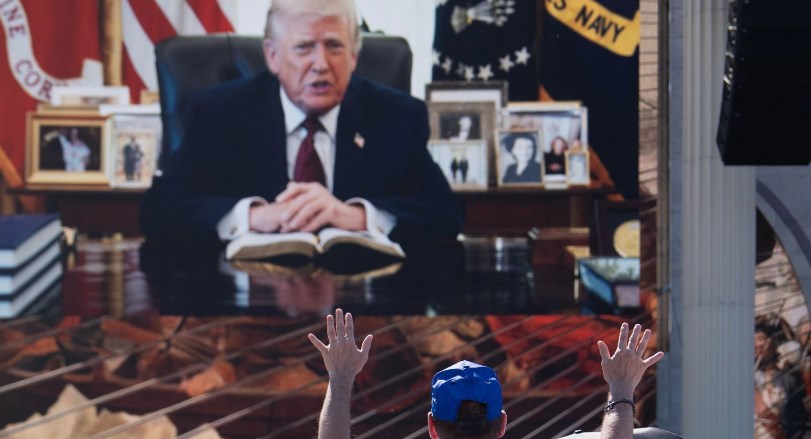
Trump warns Iran that clock is ticking as talks stall – As tensions between Washington and Tehran continue to rise, Donald Trump has once again turned up the pressure on Iran, warning that “the clock is ticking” as already fragile negotiations appear to be falling apart. The latest comments come at a critical moment in Middle East diplomacy, with both sides struggling to agree on key issues tied to Iran’s nuclear ambitions, sanctions relief, and regional security. Trump warns Iran that clock is ticking as talks stall
In a fiery message posted on Truth Social, Trump delivered one of his strongest warnings yet toward the Iranian leadership. He wrote that Iran had better “get moving, FAST, or there won’t be anything left of them,” adding that “TIME IS OF THE ESSENCE!” The statement immediately drew international attention and further fueled speculation that the United States could be preparing for a tougher military and diplomatic response if talks continue to stall. Trump warns Iran that clock is ticking as talks stall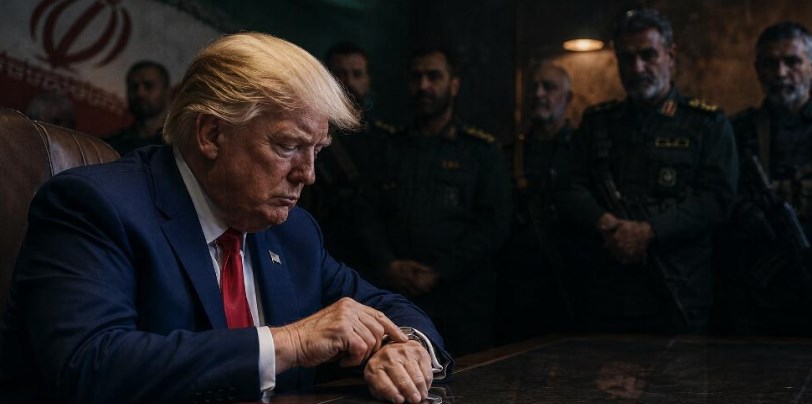
The warning reflects growing frustration inside the Trump administration after several rounds of indirect negotiations reportedly failed to produce meaningful progress. Diplomats involved in the discussions have struggled to bridge major disagreements over Iran’s uranium enrichment program, the future of economic sanctions, and guarantees demanded by Tehran regarding future military action.
According to reports, Trump still believes a deal is possible, but only if Iran quickly presents what U.S. officials consider a more acceptable proposal. Behind the scenes, senior members of the administration have reportedly discussed a range of options, including stronger sanctions and possible military measures should diplomacy collapse entirely.
The latest escalation comes after weeks of rising uncertainty across the Middle East. A ceasefire that had briefly reduced tensions earlier this year now appears increasingly unstable. Trump recently described the truce as being on “massive life support,” suggesting that the window for diplomacy may be rapidly closing.
Iran, meanwhile, has rejected several U.S. demands, insisting that Washington must provide stronger guarantees before any agreement can move forward. Iranian officials have reportedly called their latest proposal “responsible” and “generous,” while criticizing the United States for refusing to compromise on sanctions and military activity in the region. Tehran has also demanded broader protections against future attacks and greater economic relief before making major concessions on its nuclear program.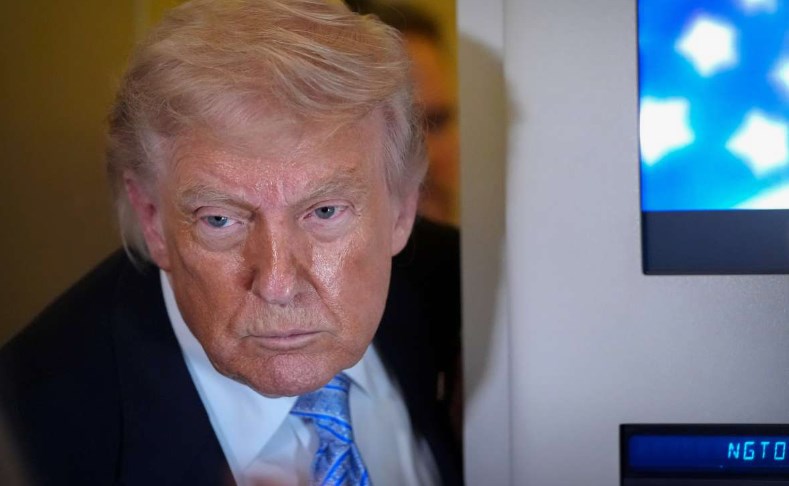
The increasingly aggressive rhetoric has sparked fears that the situation could spiral into direct confrontation. Analysts say Trump’s latest comments are designed to pressure Iran into acting quickly, but critics warn that such public threats could also harden Tehran’s position and make negotiations even more difficult.
Adding to the anxiety was a recent drone strike near the Barakah nuclear facility in the United Arab Emirates, an incident that intensified concerns about wider regional instability. While no group officially claimed responsibility, the attack raised fears that the conflict could spread beyond Iran and Israel and potentially pull more countries into the crisis.
The impact of the growing tensions is already being felt in global markets. Oil prices have climbed sharply as investors worry that a broader Middle East conflict could disrupt energy supplies. Financial markets have also become more volatile, with rising concerns about inflation and geopolitical uncertainty.
Trump’s hardline approach toward Iran has long been a defining feature of his foreign policy. During his presidency, he withdrew the United States from the 2015 nuclear agreement negotiated under former President Barack Obama and reimposed sweeping sanctions on Tehran. Since returning to office, Trump has continued to push for what he describes as a “stronger and better” agreement, while warning that military action remains an option if diplomacy fails.
Supporters of the administration argue that increased pressure is necessary to prevent Iran from advancing its nuclear capabilities. They believe Tehran only responds when faced with significant economic or military consequences. Critics, however, say the confrontational approach risks triggering another prolonged conflict in the Middle East at a time when the region is already deeply unstable. Trump warns Iran that clock is ticking as talks stall
International reactions have been mixed. Some American allies have supported renewed diplomatic efforts while quietly expressing concern about the increasingly hostile language coming from Washington. Others fear that continued escalation could undermine ongoing mediation attempts led by regional partners, including Pakistan, which has reportedly been involved in facilitating communication between the two sides.
Inside the United States, the situation has also sparked political debate. Some lawmakers have backed Trump’s warning, saying Iran should not be allowed to dictate the pace of negotiations. Others worry that threats of military action could push the country toward another costly overseas conflict.
Online reaction has been equally divided. Supporters of Trump praised the president for projecting strength and refusing to compromise with Tehran, while critics questioned whether the repeated warnings were helping or hurting diplomatic efforts. Discussions across social media and online forums reflected widespread uncertainty about what might happen next and whether both sides are genuinely interested in reaching a peaceful agreement.
Despite the tough rhetoric, officials close to the negotiations say diplomacy has not completely collapsed. Communication channels reportedly remain open, and there is still hope that a compromise could emerge in the coming weeks. However, with tensions rising, military posturing increasing, and public statements growing more aggressive, the margin for error appears to be shrinking rapidly.
For now, Trump’s message to Iran is unmistakably clear: time is running out. Whether the warning leads to renewed negotiations or pushes the region closer to confrontation may depend on what happens in the next few days. One thing, however, is becoming increasingly obvious — the standoff between Washington and Tehran is entering a far more dangerous phase. Trump warns Iran that clock is ticking as talks stall
About the Author