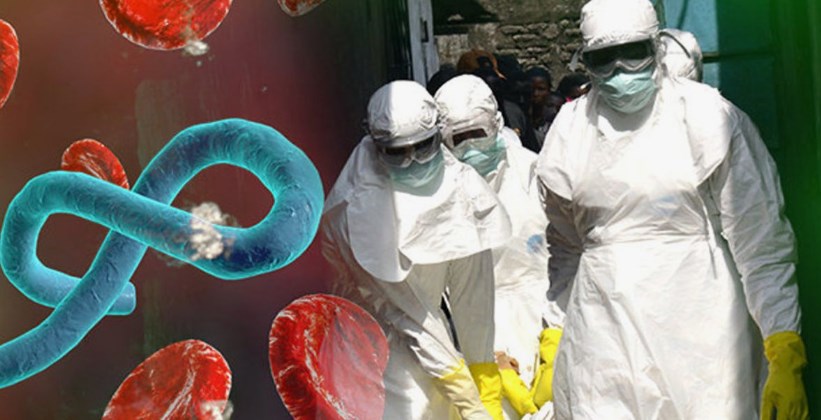
Is an Ebola outbreak in America? – For many Americans, the word “Ebola” immediately brings back memories of frightening headlines, emergency health screenings, and images of healthcare workers in full protective suits. Whenever reports of Ebola cases appear somewhere in the world, people often begin asking the same question: could there be an Ebola outbreak in America? The concern is understandable. Ebola is one of the deadliest viruses known to humanity, with some outbreaks recording fatality rates of up to 90 percent. The disease spreads through direct contact with infected bodily fluids and can quickly devastate communities when healthcare systems are unprepared. Yet despite the fear surrounding the virus, experts say the chances of a large-scale Ebola outbreak in the United States remain extremely low. Is an Ebola outbreak in America
That does not mean the threat is ignored. Public health officials continue to monitor outbreaks closely, especially when cases appear in parts of Africa where the virus has historically emerged. The Centers for Disease Control and Prevention, hospitals, airports, and international health organizations all work together to prevent the disease from crossing borders and spreading widely. The latest concerns about Ebola have resurfaced because outbreaks still occur from time to time in countries such as Uganda and the Democratic Republic of Congo. These outbreaks are usually linked to close human contact and limited healthcare resources. In some situations, infected individuals travel before symptoms become severe, creating worries about international spread. Still, medical experts stress that isolated imported cases are very different from a nationwide outbreak.
Ebola first gained global attention in 2014 during the massive West African outbreak that affected Guinea, Liberia, and Sierra Leone. More than 11,000 people died during that crisis, making it the deadliest Ebola epidemic in history. The outbreak overwhelmed local healthcare systems and exposed weaknesses in global disease response networks. America was not untouched during that period. A Liberian traveler named Thomas Eric Duncan was diagnosed with Ebola in Texas after arriving in the United States. Two nurses who treated him later became infected. News coverage intensified public anxiety, with many people fearing that Ebola could spread rapidly across the country.
However, the outbreak in the United States never expanded beyond those few cases. Health authorities quickly identified contacts, isolated patients, and strengthened hospital protocols. The experience demonstrated that while Ebola can reach American soil through international travel, the country’s medical infrastructure is capable of containing it. One major reason Ebola is difficult to spread in developed nations is the way the virus transmits. Unlike COVID-19, Ebola is not airborne in normal circumstances. People generally become infected through direct contact with blood, vomit, saliva, sweat, urine, or other bodily fluids from a person who is already showing symptoms. This makes the disease easier to trace and isolate compared with respiratory viruses that spread through coughing or breathing.
Symptoms of Ebola usually begin suddenly. Patients may develop fever, weakness, headaches, muscle pain, vomiting, diarrhea, and stomach pain. In severe cases, internal and external bleeding can occur. Because the symptoms resemble other illnesses during the early stages, diagnosis can sometimes be challenging without laboratory testing. The incubation period for Ebola ranges from two to 21 days. Importantly, people are not considered contagious until symptoms begin. This gives public health officials valuable time to identify exposed individuals and monitor them before they become infectious.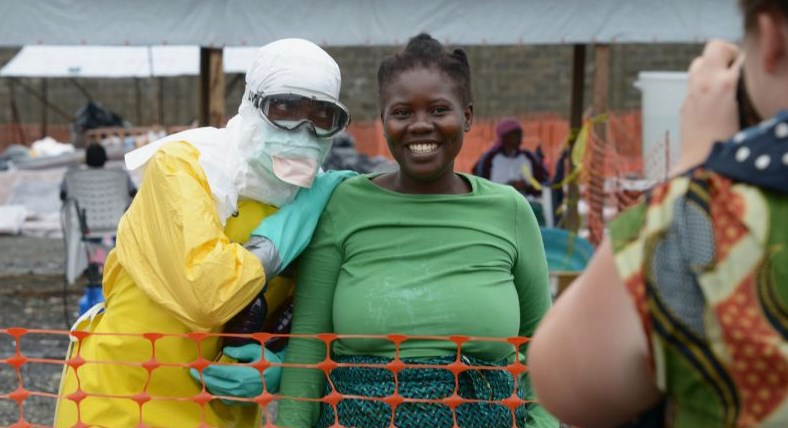
American hospitals today are far more prepared for Ebola than they were a decade ago. After the 2014 crisis, healthcare systems invested heavily in training, isolation units, and protective equipment. Specialized treatment centers were created across the country to handle highly infectious diseases. Medical workers also receive ongoing instruction on infection control procedures. Airports and border agencies have improved screening measures as well. Travelers arriving from regions experiencing Ebola outbreaks may be monitored for symptoms or required to provide health information. These safeguards are designed to catch potential cases early before community spread can occur. Is an Ebola outbreak in America
Vaccines have also changed the landscape significantly. Scientists developed effective Ebola vaccines following years of research and emergency efforts during previous outbreaks. The vaccines are now used to protect healthcare workers and people who may have been exposed to infected patients. In outbreak zones, “ring vaccination” strategies help stop transmission by immunizing close contacts of infected individuals. Treatment options have improved too. While Ebola remains a dangerous disease, survival rates have increased because of earlier diagnosis, better supportive care, and antiviral therapies. Patients who receive rapid medical attention have a much better chance of recovery than in past decades.
Despite these advances, fear surrounding Ebola often spreads faster than the virus itself. Social media can amplify rumors and misinformation, leading to panic whenever a suspected case appears. During past outbreaks, false claims circulated about casual transmission, airborne spread, and exaggerated infection risks. Public health experts repeatedly emphasize the importance of relying on verified medical information instead of online speculation. Panic can create unnecessary social disruption and even stigmatize travelers or communities associated with affected regions.
Another important factor is global cooperation. Diseases do not respect borders, which means controlling Ebola overseas is also part of protecting Americans at home. International organizations such as the World Health Organization work alongside local governments to contain outbreaks where they start. Rapid response teams, medical supplies, vaccination campaigns, and surveillance systems are critical tools in stopping the virus before it spreads internationally.
Climate change, population growth, and expanding human contact with wildlife may increase the risk of future outbreaks. Scientists believe Ebola originates in animals, particularly fruit bats, before jumping to humans. Deforestation and changing ecosystems can increase interactions between humans and wildlife, potentially raising the chances of zoonotic diseases emerging. Even so, experts say Americans should stay informed rather than fearful. The healthcare and disease surveillance systems in the United States are designed to identify and isolate dangerous infections quickly. While isolated cases may occasionally occur due to global travel, the likelihood of widespread uncontrolled Ebola transmission in America remains extremely small. Is an Ebola outbreak in America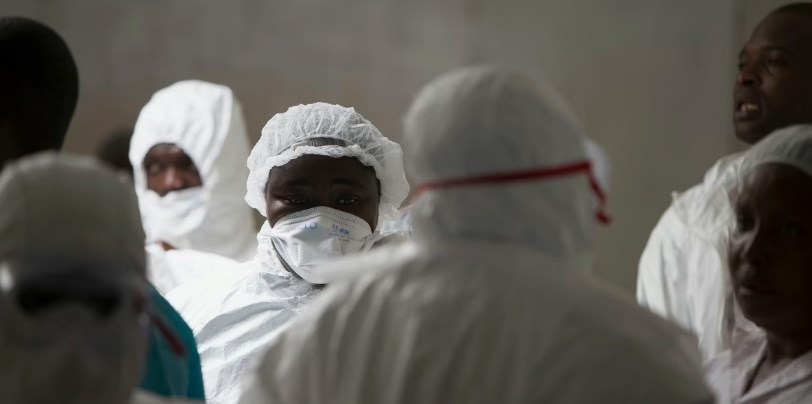
The experience of recent years has also taught governments and healthcare systems valuable lessons about pandemic preparedness. Investments in laboratory capacity, emergency communication, and hospital readiness have strengthened responses to infectious diseases overall. In many ways, Ebola represents both a warning and a reminder. It highlights how interconnected the modern world has become and how rapidly diseases can travel internationally. At the same time, it demonstrates the importance of science, public health infrastructure, and global cooperation in preventing catastrophic outbreaks.
So, is there an Ebola outbreak in America? At this time, there is no widespread Ebola outbreak in the United States. Health authorities continue to monitor global developments carefully, and preparedness measures remain in place should isolated cases appear. While the virus remains a serious international health concern, experts believe the risk to the general American public is currently very low. For now, awareness and preparedness—not panic—remain the most effective response. Is an Ebola outbreak in America
About the Author