NFL tiptoes in minefield of anti-DEI attacks with reimagined networking event
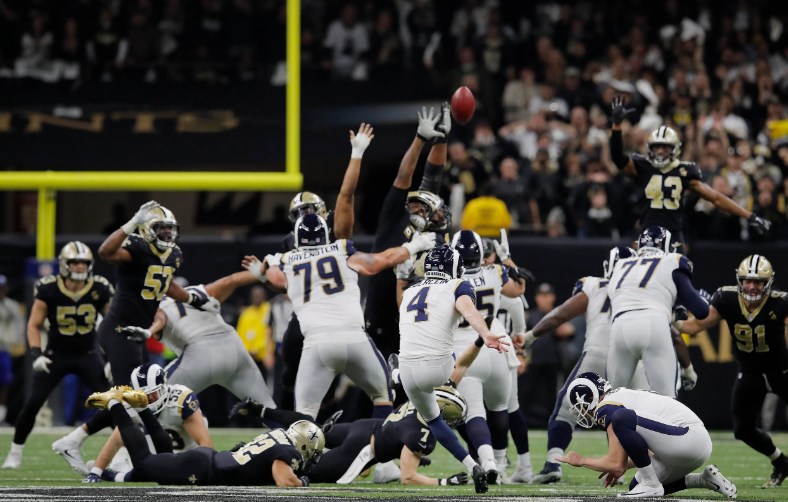
NFL tiptoes in minefield of anti-DEI attacks with reimagined networking event – The debate around diversity, equity, and inclusion has become one of the most politically charged issues in American sports, and the NFL now finds itself walking a particularly delicate line. In recent years, corporations, universities, and major organizations across the United States have faced growing pressure from critics who argue that DEI initiatives unfairly prioritize identity over merit. Supporters, meanwhile, insist such programs remain necessary to create opportunities for historically underrepresented groups. NFL tiptoes in minefield of anti-DEI attacks with reimagined networking event
Caught in the middle of this increasingly heated culture war is the National Football League, a league that has long promoted diversity programs while also trying to avoid alienating fans, sponsors, owners, and political figures from across the ideological spectrum. That balancing act became especially visible this offseason when the NFL quietly reshaped one of its longtime networking events, signaling just how cautious the league has become in the current climate.
For years, the NFL held networking programs connected to its diversity initiatives during major league events, including the Super Bowl and scouting combine. These gatherings were designed to help women, minorities, and other underrepresented groups connect with hiring executives, coaches, and league officials. They also served as symbols of the NFL’s public commitment to inclusion. But in 2026, the league adjusted its language and presentation in ways many observers saw as an effort to sidestep political backlash. Instead of heavily emphasizing “diversity” branding, the NFL reportedly reworked the event into a broader professional networking experience. The change may sound minor on paper, but in today’s political environment, wording matters enormously.
The move reflects a larger shift happening across corporate America. Many companies are reassessing how openly they discuss DEI programs after mounting legal challenges and public criticism. Several high-profile businesses have scaled back diversity departments, renamed initiatives, or changed recruitment strategies to avoid becoming political targets. The NFL’s latest adjustments suggest the league recognizes that it, too, is operating in a rapidly changing environment.
Still, the underlying goals of the event appear largely unchanged. The NFL continues to insist it wants to expand opportunities throughout football operations and front offices. League officials have repeatedly stated that professional football benefits from drawing talent from a wide range of backgrounds and experiences. The challenge now is figuring out how to pursue those goals without triggering political firestorms that can dominate headlines for weeks.
That tension has become increasingly difficult to manage because football occupies a unique place in American culture. The NFL is not just a sports league; it is one of the most powerful entertainment brands in the country. Every decision the league makes is scrutinized through political, cultural, and social lenses. The NFL learned this years ago during the controversy surrounding player protests during the national anthem. What began as demonstrations against racial injustice evolved into a national political debate involving lawmakers, television personalities, and even presidential candidates. Since then, league executives have become acutely aware that social issues can quickly spiral beyond sports. NFL tiptoes in minefield of anti-DEI attacks with reimagined networking event
Now, DEI has become the latest flashpoint. Critics of diversity initiatives argue that organizations should focus strictly on qualifications and performance, not race or gender. Some conservative activists and legal groups have targeted corporate diversity programs, claiming they discriminate against other applicants. Recent court rulings involving affirmative action in higher education have only intensified scrutiny of workplace diversity policies. Supporters counter that systemic barriers still exist in many industries, including professional sports. They point to hiring patterns that continue to show disparities in leadership positions. In the NFL, while a majority of players are Black, ownership and many executive positions remain overwhelmingly white.
The issue is particularly sensitive when it comes to coaching opportunities. For years, the NFL has faced criticism over the low number of minority head coaches despite the league’s diverse player base. The league introduced the Rooney Rule in 2003, requiring teams to interview minority candidates for top football positions. Although the policy has been expanded several times, critics argue progress has been inconsistent.
Some former coaches and executives believe networking programs remain essential because hiring in professional sports often depends heavily on personal relationships and insider access. Without structured opportunities to build those connections, they argue, underrepresented candidates can easily be overlooked. That is why the NFL’s reimagined networking event matters beyond semantics. Even if the league softens its language, the broader question remains: can the NFL continue supporting pathways for diverse talent while avoiding accusations that it is engaging in political activism?
League officials appear to be trying exactly that. By framing the gathering more broadly around career development and networking, the NFL may hope to preserve the substance of the initiative while reducing the political baggage attached to DEI terminology. It is a strategy increasingly common in corporate boardrooms. Rather than abandoning inclusion efforts entirely, organizations are rebranding them using language centered on leadership, opportunity, culture, or talent development. The goals may remain similar, but the presentation changes to fit a more cautious political environment. NFL tiptoes in minefield of anti-DEI attacks with reimagined networking event
Whether that strategy works remains uncertain. For some critics, any effort focused on representation will still be viewed as ideological. For some advocates, toned-down language may feel like a retreat or a sign that organizations are backing away from commitments made after nationwide racial justice protests earlier in the decade. The NFL’s position is further complicated by the diversity of its audience itself. Football fans span every political background imaginable. Owners, players, sponsors, broadcasters, and community partners may all hold sharply different views on social issues. The league must constantly navigate competing expectations while protecting its enormous business interests.
Financially, the stakes are massive. The NFL dominates American television ratings, and its partnerships generate billions of dollars annually. League executives know prolonged political controversies can create headaches for sponsors and broadcasters, even if football’s popularity remains strong overall. At the same time, the NFL also understands younger audiences and many players expect the league to engage with social issues rather than remain silent. Walking away entirely from inclusion initiatives could create backlash from another direction.
That leaves the league in an uncomfortable middle ground: trying to show commitment without appearing political, promoting opportunity without inviting lawsuits, and addressing representation without alienating portions of its fan base. The reworked networking event may ultimately become a model for how major sports leagues approach sensitive cultural topics in the future. Instead of loudly promoting DEI branding, organizations may choose quieter, less confrontational ways to pursue similar objectives behind the scenes.
Yet the broader debate is unlikely to disappear anytime soon. Questions about race, gender, opportunity, and fairness continue to shape conversations far beyond sports. As one of the country’s most visible institutions, the NFL will almost certainly remain part of those discussions whether it wants to or not. For now, the league appears focused on survival through moderation — adjusting its messaging carefully, avoiding unnecessary political fights, and trying to keep attention centered on football itself. But in today’s America, even a networking event can become a cultural battleground. NFL tiptoes in minefield of anti-DEI attacks with reimagined networking event
About the Author