Trump says news of another FBI cyberattack ‘not good’ – In an era where digital infrastructure underpins nearly every facet of modern governance, news of a security breach at the nation’s premier law enforcement agency is bound to set off alarm bells. Over the weekend, reports surfaced that hackers had infiltrated a critical database maintained by the Federal Bureau of Investigation, marking the second major cyber intrusion targeting the bureau in just a matter of months. Weighing in on the developing situation, President Donald Trump offered a candid assessment that blended immediate concern with his signature brand of political reframing, describing the incident as “not good” while suggesting it might inadvertently bring long-sought secrets to light.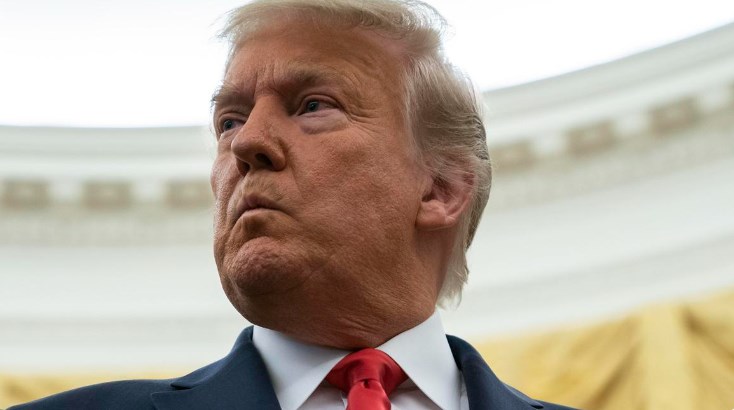
The suspected breach targeted the National Crime Information Center, commonly known as the NCIC. For everyday Americans, the NCIC operates largely behind the scenes, yet it serves as the central nervous system for daily policing across the United States. Managed by the FBI, this vast computerized index allows federal, state, and local officers to instantly check records on wanted fugitives, missing persons, stolen property, criminal histories, and firearm background checks. When a police officer pulls over a vehicle on a quiet highway and runs a license plate, it is the NCIC that delivers vital safety information in seconds. Any compromise to its integrity raises urgent questions about data security and operational reliability. Trump says news of another FBI cyberattack ‘not good’
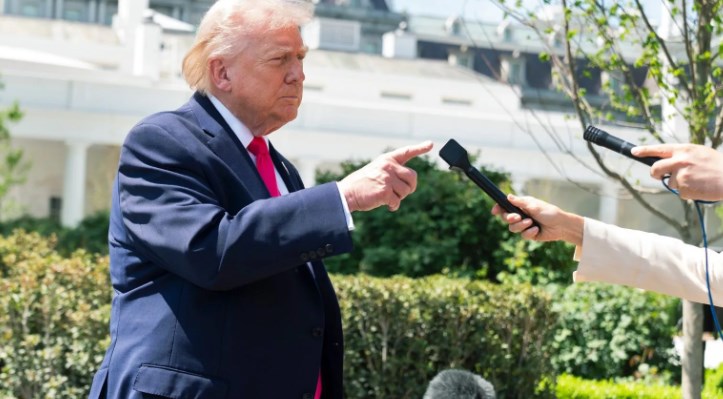
Speaking during a Saturday phone interview with Fox News host Kayleigh McEnany, President Trump addressed the emerging reports with a mix of frustration and curiosity. “Well, we just heard about it, and I will say it’s not good. I don’t like that,” Trump stated plainly, acknowledging the inherent danger of unauthorized actors penetrating federal law enforcement networks. However, in a pivot familiar to anyone who has followed his political career, the president quickly shifted from expressing alarm to searching for an unexpected upside.
“But maybe we’ll learn things that we would have never learned otherwise,” Trump remarked during the broadcast, adding, “And so I always like to put things in a positive spin.” He went on to connect the potential exposure of internal bureau files to long-standing grievances regarding past federal investigations. Specifically, Trump referenced the inquiry into Russian interference in the 2016 presidential election, his first impeachment over a phone call with Ukrainian President Volodymyr Zelensky, and his repeated assertions of widespread voter fraud—issues he characterized as political “hoaxes”. By framing the hack as a potential catalyst for transparency, Trump turned a troubling national security headline into an opportunity to revisit familiar political battlegrounds. Trump says news of another FBI cyberattack ‘not good’
While the president focused on the potential political fallout, cybersecurity experts and lawmakers are looking closely at the troubling pattern of vulnerabilities within the FBI’s digital defenses. This latest intrusion does not exist in a vacuum; it follows closely on the heels of a severe cyberattack in September. In that earlier incident, a digital extortion group known as ShinyHunters breached an FBI recruitment and jobs portal, compromising sensitive personal, medical, and psychiatric records belonging to tens of thousands of current and former bureau employees. Even earlier, in March, the agency had been forced to investigate suspicious activity on an internal system housing sensitive surveillance and investigative data.
To many observers in Washington, three high-profile cyber incidents within a single calendar year suggest systemic challenges that go beyond isolated bad luck. Although FBI Director Kash Patel announced the arrests of two suspected ShinyHunters members in October following the September leak, the apparent breach of the NCIC demonstrates that the bureau remains a prime target for sophisticated threat actors. At the time of Trump’s remarks, the FBI had yet to issue an official confirmation detailing the exact scope of the NCIC intrusion, leaving open critical questions about whether records were merely viewed, copied, or actively altered.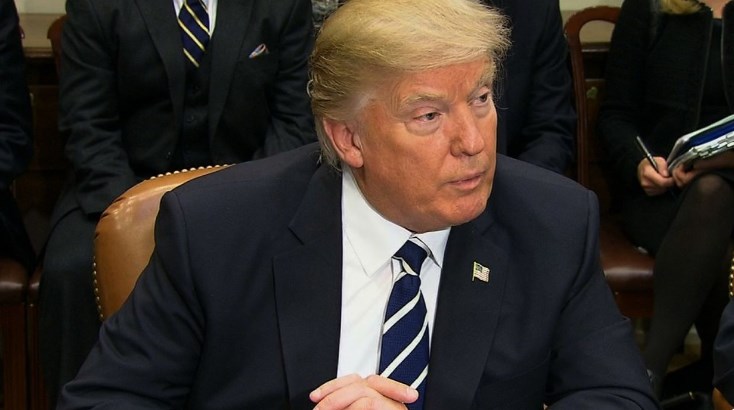
The timing of the FBI incident has also fueled broader public anxiety due to a string of recent, high-profile technical disruptions across the country. Over the past two weeks, Americans have experienced widespread outages affecting Microsoft’s global cloud services, a rare nationwide Federal Aviation Administration ground stop that delayed or canceled thousands of flights, and temporary access issues for customers at major financial institutions. Alongside reports of a separate cyber intrusion at the U.S. Department of Agriculture, these back-to-back glitches have sparked intense speculation online about coordinated digital warfare.
Administration officials, including Homeland Security Secretary Markwayne Mullin, have moved quickly to tamp down rumors of a single, overarching cyberattack, maintaining that the corporate and aviation outages were technical failures unrelated to criminal hacking. Nevertheless, the optics of mounting digital instability have already prompted decisive action inside the West Wing. Just days before news of the NCIC hack broke, the administration removed national cyber director Sean Cairncross amid growing scrutiny over the nation’s digital readiness, tapping Pentagon Chief Information Officer Kirsten Davies to step in as acting cyber chief. Simultaneously, the Justice Department and the Department of Homeland Security unveiled a new joint hub dedicated to combating cybercrime.
As federal investigators work behind closed doors to determine who breached the National Crime Information Center and what data may have been compromised, the episode underscores a defining reality of the twenty-first century. Securing massive, interconnected government databases is a relentless, high-stakes battle where defenders must be right every single time, while attackers only need to find one open door. For President Trump, who ended his Saturday interview by musing aloud, “I wonder who’s doing it,” the answer to that question will likely shape both national security policy and political discourse in the weeks ahead. Trump says news of another FBI cyberattack ‘not good’
About the Author