Trump hits new polling lows as Election Day looms
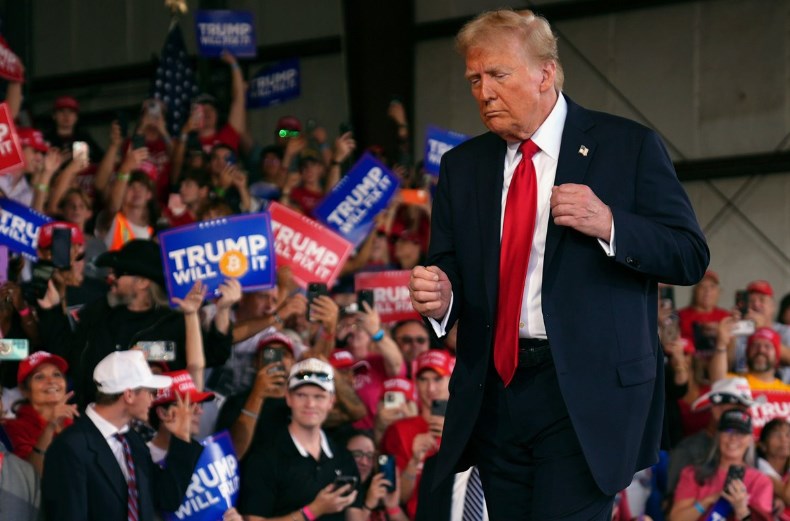
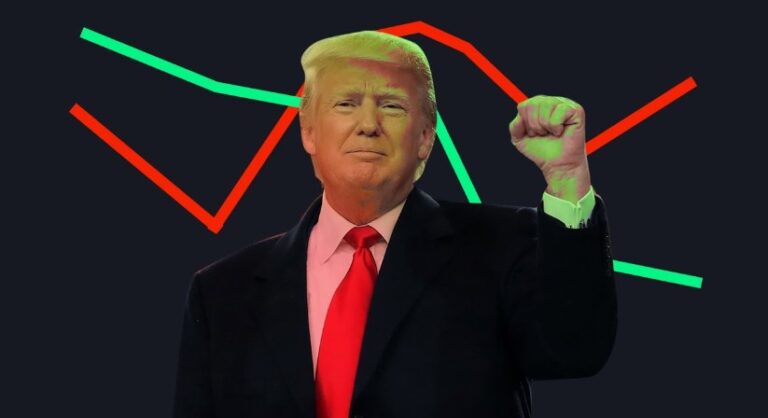
Trump hits new polling lows as Election Day looms – President Donald Trump is facing a difficult political moment as fresh polling numbers point to growing dissatisfaction among voters and raise new questions about the direction of his presidency. With Election Day approaching, the latest figures offer a warning sign for Trump and his political allies, particularly as voters begin to focus more closely on the economy, leadership, and the issues that could shape their decisions at the ballot box.
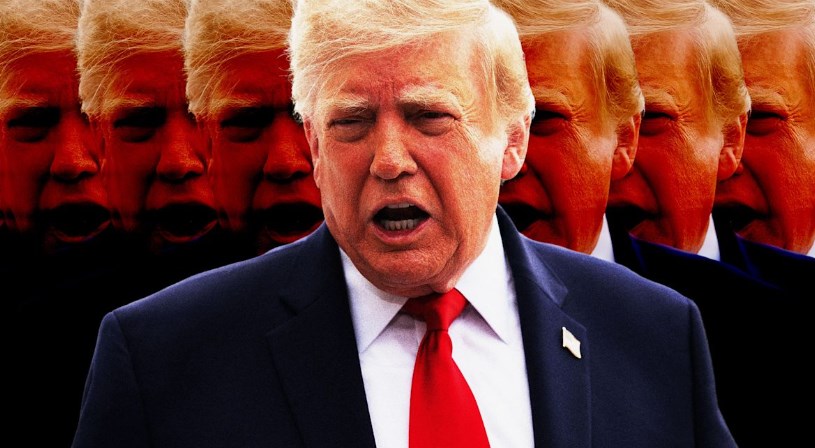 For Trump, poor polling numbers are nothing new. His political career has repeatedly defied conventional expectations, and he has built a reputation for surviving moments that would have ended other politicians. Still, polling matters when an election is approaching because it provides a snapshot of how voters are feeling before campaigns enter their final stretch.
The newest numbers suggest that Trump is struggling to maintain broad public support. While his core supporters remain strongly behind him, his standing among independents and less committed voters appears to be more fragile. That could become particularly important in competitive states and districts where relatively small shifts in voter sentiment can determine the outcome.
A Warning Sign for the White House
The most concerning part of the latest polling for Trump may not simply be his overall approval rating. More important is the possibility that voters who once viewed his administration with uncertainty are increasingly moving toward opposition. Presidential approval ratings can rise and fall quickly, but sustained weakness can create a larger political problem. When voters become convinced that a president is moving the country in the wrong direction, it becomes harder for the White House to change the conversation. Every new controversy, economic concern, or political dispute can reinforce an existing negative impression.Trump hits new polling lows as Election Day looms 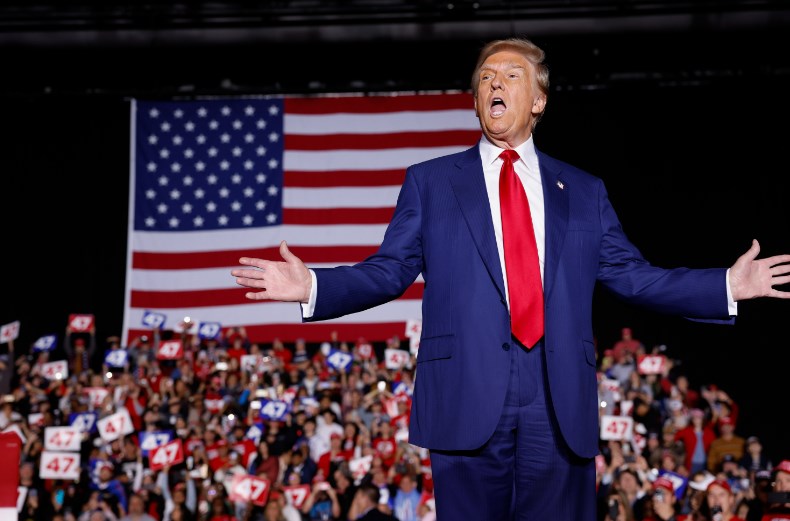
Trump has generally responded to weak polling by attacking the credibility of surveys rather than accepting their conclusions. His political operation has often argued that polls underestimate his support, pointing to previous elections in which expectations about his performance proved inaccurate. That argument has some historical basis. Trump has repeatedly outperformed certain public expectations, particularly among voters who are difficult for traditional polling methods to capture. But that does not mean every unfavorable poll should be dismissed. A consistent trend across multiple surveys can still reveal meaningful changes in public opinion.
The Economy Remains Central to the Story
Economic conditions are likely to play a major role in determining whether Trump’s polling problems deepen or improve. Voters may care about political arguments, but their personal financial circumstances often have a more direct impact on how they evaluate a president. Prices, wages, housing costs, interest rates, employment and consumer confidence all contribute to the public’s perception of the economy. Even if economic statistics appear positive on paper, voters may remain unhappy if everyday expenses continue to feel too high.
That creates a difficult challenge for the Trump administration. The White House can point to favorable economic indicators and argue that its policies are producing results. But voters who are struggling with household budgets may not be persuaded by statistics alone. Trump’s political strength has always depended partly on his ability to turn economic frustrations into a simple political message. If voters believe that their financial situation is improving, that message becomes harder to sustain. If they believe conditions are deteriorating, however, economic dissatisfaction can quickly become political dissatisfaction.
Independents Could Decide Trump’s Fate
Trump’s most loyal supporters are unlikely to abandon him because of a disappointing poll. The more important question is what happens with independent voters and moderate Republicans who are less emotionally attached to the president. These voters can move between parties and candidates depending on the political environment. They are often less interested in ideological arguments and more focused on practical concerns such as the economy, public safety, immigration, government spending and the country’s overall direction.
If Trump’s support among independents continues to weaken, Republicans could face a serious challenge in competitive races. Even a modest shift among independent voters can make a substantial difference in states where elections are decided by narrow margins. This is why the current polling environment deserves attention. Trump does not necessarily need to become popular with everyone. He needs enough voters in key constituencies to remain willing to support his agenda and, ultimately, Republican candidates. Trump hits new polling lows as Election Day looms
Democrats See an Opportunity
For Democrats, Trump’s declining numbers represent an opportunity to regain political momentum. The party can use public dissatisfaction to argue that the administration has failed to deliver on its promises and that voters need a different direction. But Democrats also face their own challenge. Weak approval ratings for Trump do not automatically translate into enthusiasm for Democrats. Voters can be unhappy with the president without being convinced that the opposition offers a better alternative.
That distinction will become increasingly important as Election Day approaches. Democratic candidates will need to turn dissatisfaction into actual votes. That means building campaign organizations, motivating supporters, persuading undecided voters and avoiding mistakes that could distract from their message.
Republicans, meanwhile, will attempt to shift attention toward issues where they believe they have an advantage. Immigration, crime, national security, government spending and cultural issues are likely to remain important parts of the political debate. The result could be an increasingly aggressive campaign environment in which both parties attempt to define the election on their preferred terms.
Trump Still Has Time to Change the Narrative
Despite the negative polling, it would be premature to assume that Trump’s political position is permanently damaged. Election campaigns can transform quickly. A major economic improvement, a successful policy initiative, a foreign-policy development or even a significant political mistake by Democrats could alter the conversation. Trump has demonstrated throughout his career that he is capable of dominating the news cycle and changing the political debate almost overnight. Trump hits new polling lows as Election Day looms
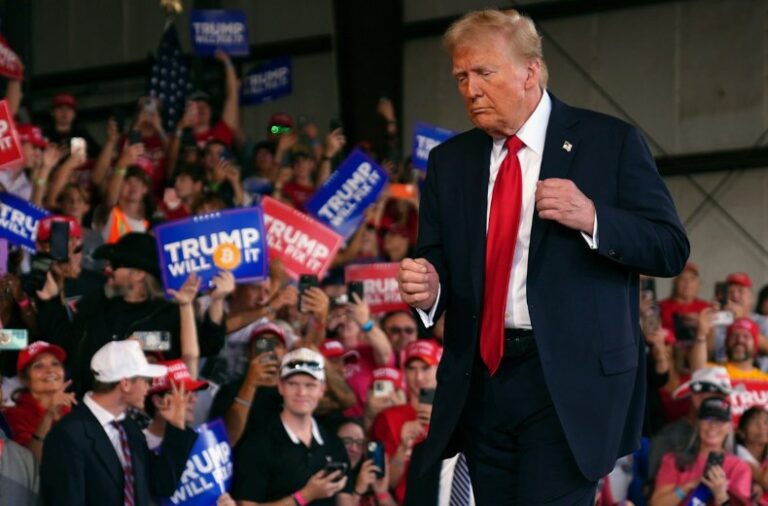
His communication style also gives him an advantage that conventional politicians often lack. Trump speaks directly to his supporters through rallies, social media and public appearances, allowing him to bypass traditional media channels when he wants to promote a particular message. The challenge is that constant political confrontation can also reinforce negative perceptions among voters who already dislike his approach. The same style that energizes his base can alienate independents. That makes the coming months especially important. Trump must maintain enthusiasm among his strongest supporters while also finding a way to reach voters who remain undecided or skeptical.
Election Day Will Provide the Real Answer
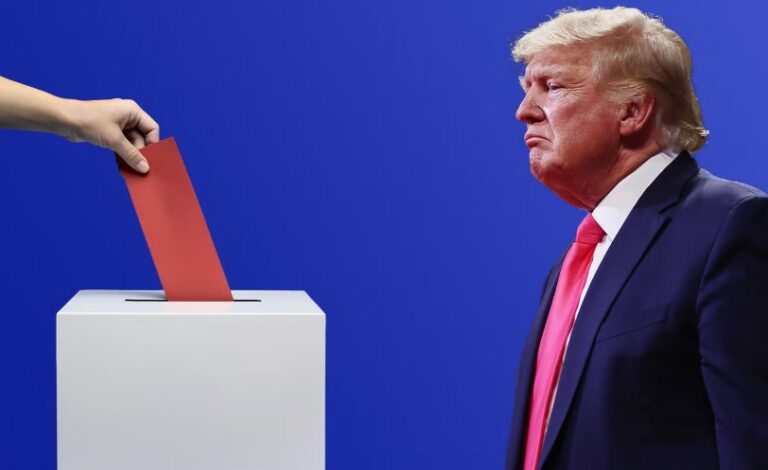
Polling can provide valuable information, but it is not the final verdict. Elections are ultimately decided by voters casting ballots.Trump’s latest polling lows therefore represent a warning rather than a guaranteed outcome. They show that a meaningful portion of the electorate is dissatisfied, but they do not determine what will happen on Election Day.
The political landscape could change considerably before voters make their final decisions. Campaign events, economic developments, debates, international crises and unexpected controversies can all reshape public opinion. For Trump, the priority will be to prevent today’s polling weakness from becoming a broader political trend. His campaign will likely emphasize his achievements, defend his policies and attempt to convince voters that his leadership is producing tangible results.
Opponents will argue the opposite. They will portray the polling numbers as evidence that voters are ready for a change. That leaves the country heading toward an election in which perception could matter almost as much as policy. Trump has survived political storms before, but the latest polling suggests he cannot afford to ignore the concerns emerging among voters.As Election Day looms, the central question is no longer simply whether Trump remains popular with his political base. He clearly does. The bigger question is whether he can rebuild support beyond that ba se and persuade skeptical voters that his presidency deserves another vote. The polls may be sending a warning, but the final judgment will belong to the electorate.
About the Author