Trump criticizes Ukraine for refinery attacks, defends Russia diesel deal – The growing tension between the United States and Ukraine has taken another turn after President Donald Trump criticized Kyiv for attacking Russian oil refineries while defending his administration’s controversial diesel supply agreement with Moscow. The dispute highlights the difficult balance between military strategy, global energy prices, and diplomatic efforts to end Russia’s war against Ukraine.
Trump’s position has created fresh disagreements with Ukrainian President Volodymyr Zelenskyy, who argues that Ukraine’s attacks on Russian energy facilities are a response to Moscow’s continued strikes against Ukrainian infrastructure. At the same time, Washington’s decision to arrange diesel supplies from Russia has raised questions about the future of sanctions and the United States’ commitment to supporting Ukraine.
The controversy comes as fuel prices remain a significant concern for American consumers and businesses. Diesel is essential to transportation, agriculture, construction, and international trade. When supplies become more expensive or difficult to obtain, the effects can reach far beyond gas stations, influencing the cost of moving goods and producing food.
For Trump, securing additional diesel supplies is part of an effort to address those economic pressures. For Zelenskyy, however, purchasing Russian fuel while Ukraine remains under attack risks giving Moscow additional revenue and weakening the international pressure intended to limit its ability to continue the war. The disagreement has therefore become about much more than fuel. It reflects two different approaches to ending the conflict and managing its economic consequences. Trump criticizes Ukraine for refinery attacks
Trump Blames Ukraine for Attacks on Russian Refineries
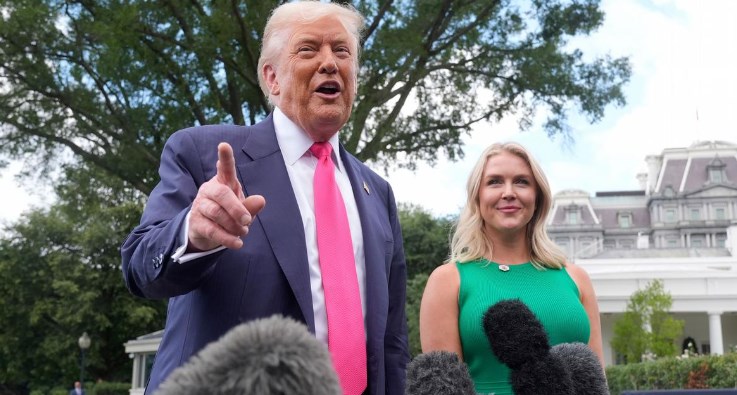
Trump’s criticism centers on Ukraine’s repeated drone strikes against Russian oil refineries and other energy facilities. Kyiv has increasingly targeted infrastructure connected to Russia’s petroleum industry as part of its wider effort to weaken Moscow’s ability to finance and sustain its military campaign. Speaking to reporters on October 10, Trump argued that Ukrainian attacks were worsening problems in the international diesel market. He maintained that he had previously urged Zelenskyy to avoid striking refineries, insisting that Ukraine had other potential military targets.
Trump’s concern is rooted partly in the importance of diesel to the global economy. Trucks transport food and consumer goods, agricultural machinery depends on fuel to operate, and businesses rely on diesel-powered equipment to keep their operations running. When supplies tighten, higher costs can spread throughout the economy, eventually affecting ordinary households. However, blaming Ukraine for rising fuel prices does not capture the entire picture. Energy markets respond to several factors, including geopolitical conflicts, shipping disruptions, production decisions, refinery capacity, and changes in demand. The war involving Iran and the wider disruption to energy supplies have also contributed to pressure on international fuel markets. Trump criticizes Ukraine for refinery attacks
Ukraine, meanwhile, views its attacks on Russian refineries as a way to impose economic costs on Moscow. By damaging facilities that process crude oil into usable fuels, Kyiv hopes to disrupt exports, reduce available revenue, and place additional pressure on Russia’s wartime economy. The disagreement reveals a fundamental difference in priorities. Trump wants to prevent attacks that he believes could worsen fuel shortages, while Ukraine argues that damaging Russian energy infrastructure can help weaken the machinery supporting the invasion.
The Russia Diesel Deal Draws International Attention
The dispute intensified after Trump announced a diesel supply agreement with Russian President Vladimir Putin following a telephone conversation on October 9. The arrangement was presented as a way to bring additional fuel into American and international markets at a time when prices were putting pressure on consumers and businesses. Reports described an initial shipment of more than 300,000 metric tons of diesel, with the possibility of substantially larger volumes in subsequent deliveries. The agreement also involved easing restrictions that had limited Russian diesel exports, creating controversy because the United States had previously imposed broad restrictions on Russian energy imports following the 2022 invasion of Ukraine.
Supporters of the arrangement argue that increasing the available fuel supply could help ease market pressure. From this perspective, the immediate priority is making energy more accessible and preventing higher transportation costs from spreading throughout the economy. Critics see a different problem. Allowing Russian fuel back into the market could provide Moscow with additional income at a time when Western governments have been trying to restrict the resources available to finance its war. Even if the immediate objective is to reduce fuel prices, the decision could undermine the wider sanctions strategy. Trump criticizes Ukraine for refinery attacks
The scale of the potential benefit to consumers also remains uncertain. Energy prices are influenced by global supply and demand, and an individual agreement may not be large enough to produce a substantial or lasting reduction in retail diesel prices. The final impact would depend on actual delivery volumes, market conditions, transportation costs, and how the additional supply reaches buyers. The deal has consequently become a test of whether short-term economic relief can be achieved without compromising longer-term geopolitical objectives.
Zelenskyy has rejected the suggestion that Ukraine should stop attacking Russian refineries while Moscow continues to strike Ukrainian energy infrastructure. From Kyiv’s perspective, asking Ukraine to suspend its attacks without securing a comparable commitment from Russia would leave the country at a disadvantage. In an interview with ABC News on October 11, Zelenskyy said Ukraine was prepared to stop targeting Russian diesel facilities if Russia also stopped attacking Ukraine’s energy infrastructure. His proposal offered a possible route toward de-escalation, but it depended on both sides accepting the same restrictions.
The Ukrainian president’s argument is straightforward: if energy infrastructure is to be protected, the commitment should apply to both countries. Ukraine regularly faces attacks that threaten power supplies and essential services, making energy security a central concern as the war continues. Zelenskyy also criticized the diesel agreement with Russia, arguing that easing restrictions could help Moscow finance its military operations. In his view, additional revenue from energy exports can support weapons production, drone development, and other activities that allow Russia to sustain its campaign.
The disagreement has also become personal. Trump has questioned Zelenskyy’s leadership and suggested that Ukraine should choose a different president who might be more willing to reach an agreement to end the war. Zelenskyy responded that the decision belongs to the Ukrainian people, not foreign governments. He also indicated that Ukraine could organize elections if Russia agreed to a 60-day ceasefire. The proposal connected the question of elections to the security conditions necessary for Ukrainians to participate meaningfully in a democratic process. These exchanges show how negotiations over energy policy have become entangled with wider questions about Ukraine’s leadership, sovereignty, and the conditions under which the war might end.
Political Pressure Grows Over Energy Prices and Sanctions
Trump’s decision has attracted criticism from lawmakers in both major American political parties. Some members of Congress argue that allowing Russian diesel imports conflicts with existing restrictions designed to prevent American money from supporting Russia’s war effort. On October 11, a group of seven senators, including four Republicans and three Democrats, urged the administration to reverse the decision. They questioned whether the arrangement complied with federal law and argued that Congress should have been consulted about the change.
The administration has defended its position. Treasury Secretary Scott Bessent argued that European countries had continued buying Russian energy while criticizing Washington’s decision to seek relief from high diesel prices. His argument was that countries facing fuel shortages should not dismiss additional supplies without considering their own energy purchases. Nevertheless, critics question whether the deal will deliver enough economic relief to justify its diplomatic and legal risks. If Russian fuel provides only a limited reduction in prices, the political cost of easing restrictions could outweigh the immediate benefit.
The timing also matters. The United States is approaching its November 2026 midterm elections, and elevated energy prices have become a politically sensitive issue. Consumers facing higher costs for transportation and everyday goods may judge the administration by whether it can demonstrate tangible economic improvements. At the same time, European allies have expressed concern about the consequences of easing pressure on Moscow. Britain has indicated that it intends to strengthen its sanctions against Russia, illustrating the continuing differences between Washington and some of its partners over how best to respond to the war.
These competing interests make the diesel dispute especially difficult to resolve. The United States wants more affordable energy, Ukraine wants stronger security guarantees, and European governments remain concerned about Russia’s ability to finance its military campaign.
What Happens Next for Ukraine, Russia, and the United States?
The immediate question is whether the disagreement over refinery attacks can lead to a broader arrangement protecting energy infrastructure. Zelenskyy’s proposal offers one possible starting point, but a ceasefire would require clear terms, reliable communication, and a way to determine whether both sides are complying. Trump announced on social media that Ukraine and Russia had agreed to an energy ceasefire. However, Ukrainian officials said they had not received details of such an agreement in advance, and subsequent reports of Russian attacks on Ukrainian energy facilities raised doubts about whether a mutually accepted arrangement was in place.
That distinction is important. A public announcement does not automatically establish an enforceable agreement, especially when the parties involved have not confirmed the same terms. Without a clear understanding of what is prohibited, when restrictions begin, and how violations will be addressed, any energy truce could quickly break down. The diesel deal presents another challenge. If shipments proceed, Washington will need to explain how the arrangement fits within existing sanctions rules and what safeguards, if any, will prevent the benefits from undermining its broader policy toward Russia. Lawmakers and allies are likely to continue scrutinizing the decision.
For Ukraine, the central concern remains whether efforts to reduce energy prices will come at the expense of its security. For Russia, access to additional export opportunities could offer an economic advantage. For the United States, the challenge is to address domestic fuel costs while maintaining credibility with allies and preserving leverage in negotiations. Ultimately, the dispute demonstrates how closely energy markets and international security are connected. Decisions about refinery attacks and diesel imports can influence consumer prices, military resources, diplomatic relationships, and the prospects for peace.
Trump’s criticism of Ukraine reflects his focus on reducing fuel-price pressure and pushing Kyiv toward negotiations. Zelenskyy’s response reflects his insistence that any de-escalation must account for Russia’s attacks on Ukraine as well. Whether the two positions can be reconciled will depend on the details of future negotiations, the implementation of any energy ceasefire, and the willingness of both countries to accept meaningful restrictions. For now, the diesel agreement remains controversial, and the broader conflict continues to shape the choices available to Washington, Kyiv, and Moscow. The outcome will matter not only to the countries directly involved but also to energy consumers and governments around the world.
About the Author