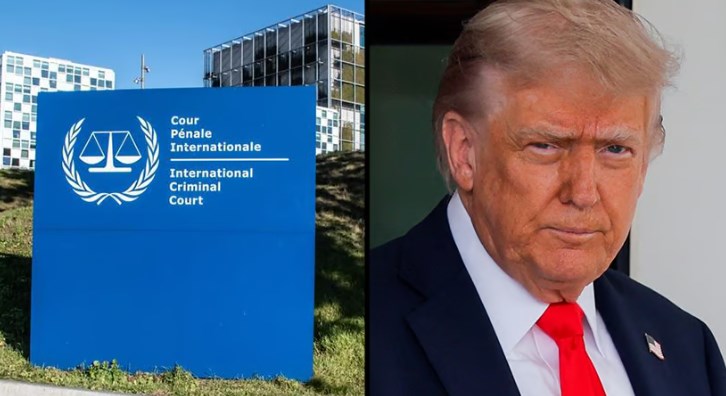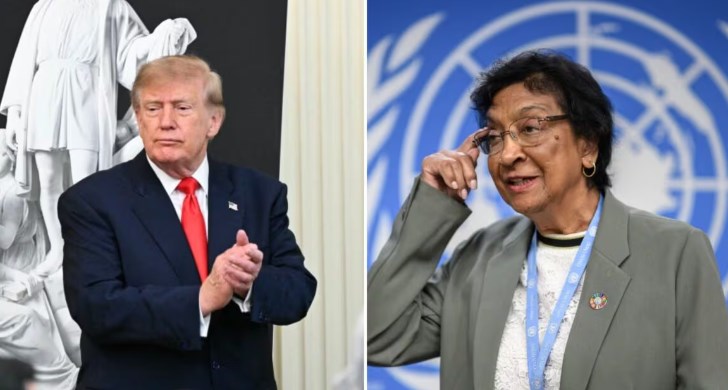
US sanctions the ICC hours after former judge wins Nobel Peace Prize – The United States has imposed sweeping sanctions on the International Criminal Court (ICC), escalating its confrontation with the international judicial body just hours after former ICC judge Navi Pillay received the 2026 Nobel Peace Prize. The decision, announced by the Trump administration on October 9, has triggered international concern over the future of global justice, the independence of international courts, and the relationship between Washington and its traditional allies. US sanctions the ICC hours after former judge wins Nobel Peace Prize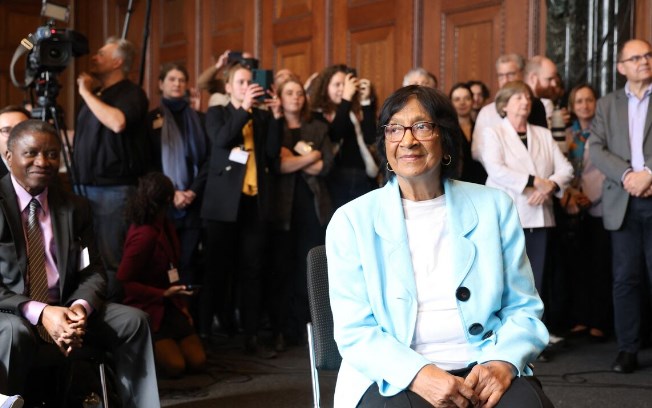
The timing has drawn particular attention because Pillay was honored for her longstanding work in international law and accountability. The Nobel Committee highlighted the importance of legal institutions at a time when judges and international courts face growing political pressure. Shortly after the announcement, Washington intensified its campaign against the ICC, an institution responsible for investigating and prosecuting individuals accused of serious international crimes, including war crimes, crimes against humanity, and genocide. The developments have created a striking contrast between international recognition for legal accountability and an American effort to restrict the court’s operations.
The sanctions represent a significant escalation beyond earlier American measures targeting individual ICC officials. This time, the administration has moved against the institution itself, potentially affecting its access to financial services, technology, and other essential resources. The consequences could extend well beyond the court, raising questions about international cooperation, diplomatic relations, and the ability of judicial institutions to operate independently.
Why the Trump Administration Is Targeting the ICC
The Trump administration has repeatedly criticized the International Criminal Court, arguing that it threatens American sovereignty and could expose US personnel and officials to legal action by a court that Washington does not recognize as having jurisdiction over the United States. President Donald Trump and senior administration officials have maintained that American citizens should not be subjected to investigations by an institution whose authority the country has never accepted. US sanctions the ICC hours after former judge wins Nobel Peace Prize
The ICC was established under the Rome Statute, an international treaty that entered into force in 2002. Its purpose is to hold individuals accountable for some of the world’s most serious crimes when the necessary legal conditions are met and national authorities are unable or unwilling to carry out genuine investigations or prosecutions. The United States signed the treaty but never ratified it and is not a member of the court.
One of Washington’s principal objections concerns the ICC’s investigations into alleged crimes involving American personnel in Afghanistan. The court has also drawn intense criticism from the United States over its actions involving Israel, including arrest warrants issued in 2024 for Israeli Prime Minister Benjamin Netanyahu and former defense minister Yoav Gallant over alleged crimes in Gaza. Israel and the United States have strongly challenged the court’s authority and decisions.
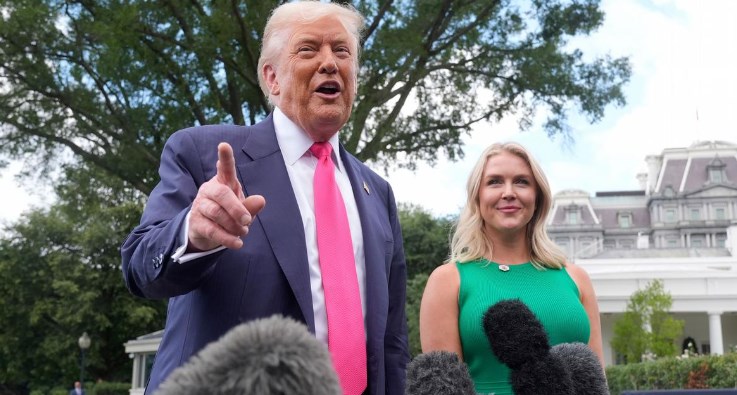
Secretary of State Marco Rubio announced the new sanctions, arguing that the United States would not allow the court to threaten American citizens or undermine national interests. He said Washington intended to restrict transactions with the ICC and cut off resources that could support its activities. The administration has presented the measures as a way to protect American personnel and pressure the court to address its objections.
However, critics argue that targeting the entire institution goes far beyond protecting individual citizens. They warn that broad financial and technological restrictions could interfere with investigations, prosecutions, and other activities involving victims of serious crimes around the world. The dispute therefore raises a fundamental question: how should national sovereignty be balanced against international efforts to hold individuals accountable for atrocities?
What the New Sanctions Mean for the International Criminal Court
The latest measures could create significant operational challenges for the ICC because many international organizations depend on services provided by American companies. Banking arrangements, payment systems, software platforms, insurance services, and technology infrastructure can all play important roles in keeping an institution functioning.
Under the announced restrictions, companies face a six-month transition period, or approximately 180 days, to end prohibited business relationships with the court. Certain activities are exempted, including specified transactions involving telecommunications, software, pensions, and detainees. These exceptions are intended to allow limited activities to continue while the broader sanctions take effect.
Despite the grace period, the implications are serious. Financial institutions may decide to avoid transactions associated with the ICC rather than risk violating American restrictions. Technology providers could reconsider contracts, while insurers and other service providers might withdraw their support. Even companies that are not directly targeted could become more cautious about working with an institution facing extensive sanctions.
Such disruptions could affect the court’s employees and their families as well as its legal operations. International investigations require secure communications, document management, financial support, travel arrangements, and cooperation across borders. Any interruption to these services could complicate the collection of evidence, communication with witnesses, and preparation of cases. US sanctions the ICC hours after former judge wins Nobel Peace Prize
The ICC has already taken precautionary steps to reduce its dependence on vulnerable services. Reports indicate that court officials have explored alternatives to some widely used commercial software and made arrangements intended to protect essential financial and administrative functions. These preparations demonstrate that the court anticipated the possibility of broader American restrictions.
Nevertheless, replacing international financial and technology services is not a simple task. The sanctions could force the ICC to spend time and money developing alternatives instead of concentrating fully on its legal responsibilities. The court has condemned the measures as an attack on the rule of law and called on its 125 member states to help preserve its ability to operate.
ICC officials have also insisted that the institution will continue its investigations and prosecutions. Their response reflects a determination to prevent political pressure from stopping cases involving alleged international crimes. Whether the court can maintain its operations without substantial disruption will depend partly on the willingness of member states and other international partners to provide practical assistance.
Navi Pillay’s Nobel Peace Prize Adds Symbolic Weight to the Dispute
The announcement of the sanctions came only hours after Navi Pillay was awarded the 2026 Nobel Peace Prize, creating an extraordinary moment for international justice. Pillay, an 85-year-old South African jurist, has spent decades working on human rights, international law, and accountability for serious abuses. Her career has included service on the ICC, leadership of the International Criminal Tribunal for Rwanda, and work as the United Nations high commissioner for human rights.
Pillay’s contribution to international justice began during South Africa’s apartheid era, when she defended people facing political persecution. She later became involved in international tribunals examining some of the gravest crimes of the modern era. Her work on the Rwanda tribunal helped advance international legal recognition of sexual violence as a potential component of genocide, an important development in the prosecution of atrocities.
The Nobel Committee recognized her work as part of a broader effort to defend international law and strengthen institutions responsible for holding perpetrators accountable. The award also carried a message about the importance of protecting judges and legal bodies from political interference. In a period marked by disputes over the authority of international courts, the recognition of Pillay’s career has taken on significance beyond her individual achievements.
Pillay dedicated the award to survivors of international crimes and emphasized the importance of defending human rights. Her recognition was welcomed by many legal experts and human rights advocates, who view international accountability as essential to preventing impunity.
The timing of the American sanctions has therefore become a central part of the story. Although the administration’s announcement focused on its objections to the ICC and did not establish that the Nobel award prompted the decision, the close timing highlighted the opposing positions surrounding international justice. One event celebrated the work of a prominent international jurist, while the other threatened to place substantial financial and technological pressure on the institution where she once served.
The contrast has intensified debate about the role international courts should play when powerful countries reject their authority. It has also raised questions about whether institutions designed to address serious crimes can remain effective when they face pressure from major global powers.
International Allies Push Back Against Washington
The sanctions have placed the United States on a collision course with several of its closest allies. Many European countries are members of the ICC and regard its work as an important part of the international legal system. They have expressed concern that American restrictions could weaken investigations into serious crimes and make it more difficult for the court to fulfill its responsibilities.
Officials from countries including Britain, France, Germany, Italy, Denmark, Canada, Japan, and the Netherlands have criticized the American move. Their concerns extend beyond the immediate impact on the court. They also reflect fears that the sanctions could establish a precedent in which powerful governments use financial pressure to influence international institutions whose decisions they oppose.
European Union foreign policy chief Kaja Kallas said the six-month transition period provided an opportunity for dialogue, while emphasizing that the bloc had options to help the court continue its work. European officials have also discussed protective measures designed to reduce the impact of American restrictions on organizations operating under European legal frameworks.
One possibility is the use of a blocking statute or similar legal protections intended to prevent certain foreign sanctions from forcing European companies to abandon lawful activities. Implementing such measures would require careful legal and diplomatic coordination, particularly because international businesses must consider competing obligations under different jurisdictions.
The dispute is especially sensitive because the ICC is based in The Hague, in the Netherlands, and many of its member states are also American security partners. Washington has urged allies to pressure the court to change its approach, while European governments have emphasized the importance of preserving judicial independence.
The United Nations has also criticized the sanctions. Secretary-General António Guterres described the move as a serious setback for international criminal justice. Human rights organizations have similarly warned that the restrictions could undermine efforts to investigate atrocities and deliver justice to victims.
The disagreement illustrates a broader tension in international relations. Governments often cooperate on security, trade, and diplomacy while disagreeing about the authority of international legal institutions. The current dispute could test whether the United States and its allies can maintain cooperation on shared interests while confronting their differences over the ICC.
What Happens Next for Global Justice?
The future of the International Criminal Court will depend on how the sanctions are implemented and how the court’s member states respond. The six-month transition period provides time for diplomatic negotiations, but it also places pressure on the institution to prepare for possible disruptions to its financial and technological operations.
Washington has indicated that the restrictions could be adjusted if its concerns are addressed. That leaves room for negotiations, although the two sides face substantial disagreements about jurisdiction, accountability, and the limits of international authority. Any meaningful resolution would require more than a temporary easing of restrictions; it would involve finding a way to address American objections without undermining the court’s independence.
Member states could provide additional funding, help establish alternative technology arrangements, and coordinate financial services that comply with their domestic laws. Such assistance could reduce the practical impact of the sanctions, although replacing major international service providers would take time and resources.
The dispute also raises important questions about the future of international criminal justice. The ICC does not have its own police force and relies on states to execute arrest warrants, cooperate with investigations, and support its operations. Its effectiveness therefore depends heavily on international cooperation, particularly when cases involve powerful political or military figures.
For victims of war crimes and other serious abuses, these institutional disputes have real consequences. Investigations can take years, and delays may make it harder to gather evidence, locate witnesses, and establish accountability. Weakening the court’s ability to function could complicate efforts to bring cases to trial, even when the underlying allegations concern grave crimes.
At the same time, the sanctions could encourage member states to develop alternatives that make the court less dependent on American financial and technological infrastructure. Whether that response strengthens the ICC in the long term or leaves it facing greater operational difficulties remains uncertain.
Ultimately, the confrontation between Washington and the ICC is about more than sanctions. It concerns the balance between national sovereignty and international accountability, as well as the question of whether powerful countries should be subject to the same principles of justice they support for others.
Navi Pillay’s Nobel Peace Prize has brought renewed attention to the importance of international law, while the American sanctions have exposed the political challenges facing the institutions responsible for enforcing it. The coming months will show whether diplomacy can reduce tensions or whether the dispute will deepen divisions between the United States and its allies.
For now, the ICC says it will continue its work, and its supporters are urging governments to protect its independence. The larger challenge will be ensuring that international justice remains possible even when the institutions responsible for delivering it face pressure from the world’s most powerful nations.
About the Author