NAACP asks Black athletes to stand against gerrymandering. We should all listen
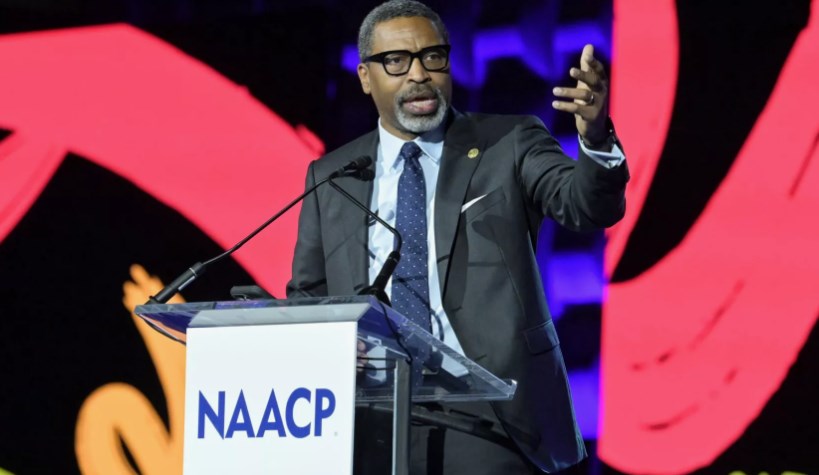
NAACP asks Black athletes to stand against gerrymandering. We should all listen – For decades, Black athletes in America have used their voices to push the country toward justice. From Muhammad Ali refusing to fight in Vietnam to Colin Kaepernick kneeling during the national anthem, sports and civil rights have often been deeply connected. Now, the NAACP is urging today’s generation of Black athletes to take a stand against another issue it believes threatens democracy itself: gerrymandering. NAACP asks Black athletes to stand against gerrymandering
At first glance, redistricting maps and voting districts may seem far removed from football stadiums, basketball arenas, or Olympic tracks. But the NAACP argues that gerrymandering is not just a political problem. It is a civil rights issue that directly affects Black communities across the United States. And because athletes have enormous cultural influence, the organization believes they are uniquely positioned to help shine a light on it. The message is simple: silence is no longer enough.
Gerrymandering refers to the practice of drawing voting district boundaries in ways that favor one political party or weaken the voting power of certain communities. While both political parties have been accused of doing it, civil rights groups say Black voters are often among the biggest victims. District lines can be manipulated to dilute Black voting strength, split communities apart, or pack voters into a small number of districts so their broader political influence disappears.
To many Americans, it sounds like a complicated legal or political issue. But for the NAACP, the consequences are deeply personal and painfully real. Gerrymandering can determine who gets elected, what laws are passed, and whether communities receive equal resources, fair representation, or even basic political attention. That is why the organization is asking athletes to become more vocal.
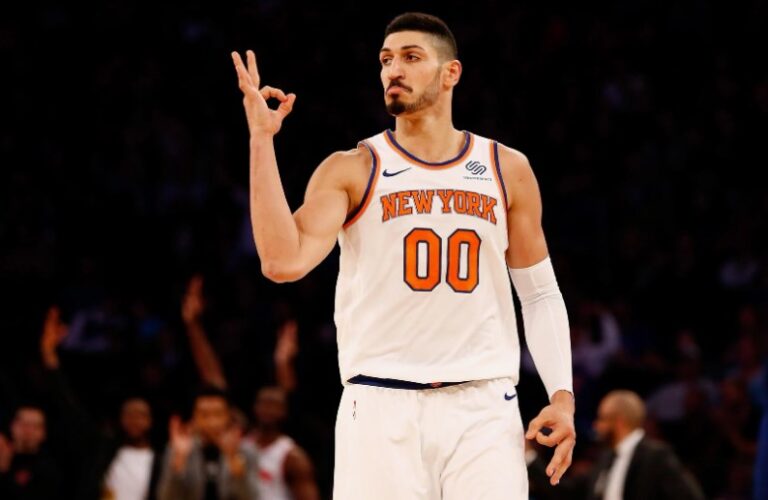
The NAACP’s appeal comes at a time when sports figures are already under increasing pressure about political activism. Over the last several years, athletes who speak on social issues have faced intense criticism from some politicians, commentators, and fans who argue sports should remain separate from politics. Yet others believe athletes have every right — and perhaps even a responsibility — to use their platforms for causes that affect their communities. Black athletes, in particular, occupy a unique place in American culture. They are celebrated for their talent and entertainment value, but many have also become powerful voices for social change. Their visibility allows them to reach millions of people who may never pay attention to traditional political discussions.
When LeBron James speaks, people listen. When Serena Williams talks about racial inequality, headlines follow. When NFL players organize around social justice issues, entire national conversations erupt. The NAACP understands that kind of influence cannot be ignored. The organization’s call is not necessarily about endorsing political candidates or parties. Instead, it is about encouraging awareness and participation. The NAACP wants athletes to educate themselves about voting rights, speak openly about the impact of gerrymandering, and encourage fans to stay informed and vote in local and national elections.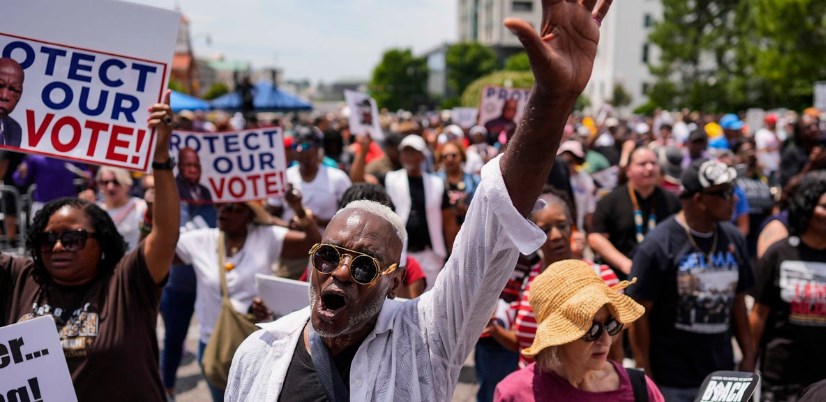
Supporters of the effort say athletes have historically helped move public opinion in ways politicians alone cannot. During the civil rights movement of the 1960s, athletes such as Bill Russell, Kareem Abdul-Jabbar, and Jim Brown openly challenged racial injustice despite enormous backlash. Their courage helped normalize conversations that many Americans once avoided. Today’s battles may look different, but many activists believe the underlying fight remains the same: equal representation and equal power. NAACP asks Black athletes to stand against gerrymandering
Critics, however, argue that athletes should focus on sports rather than politics. Some fans become frustrated when games and championships become intertwined with social debates. Others accuse organizations like the NAACP of politicizing sports for ideological purposes. But supporters counter that politics has always intersected with sports, whether people acknowledge it or not. Stadiums are publicly funded. National anthems are played before games. Politicians regularly appear at sporting events. Athletes themselves live within the same social systems as everyone else, affected by laws, policies, and voting outcomes.
For many Black athletes, the issue of voting rights is especially significant because of America’s long history of voter suppression. The Voting Rights Act of 1965 was designed to protect minority voters after decades of discrimination, intimidation, and exclusion. Yet many activists believe those protections have been weakened in recent years through court rulings and state-level voting changes. Gerrymandering, they argue, has become one of the modern tools used to limit minority political influence without explicitly targeting race in obvious ways.
That concern has intensified after several controversial redistricting battles across the country. Courts in states such as Alabama, Louisiana, and North Carolina have heard arguments over whether district maps unfairly weaken Black voting power. In some cases, judges have ruled that maps violated federal voting rights protections. These legal fights often receive limited public attention compared to major national stories. That is another reason the NAACP wants athletes involved. Sports stars can take a complicated issue and make ordinary people pay attention.
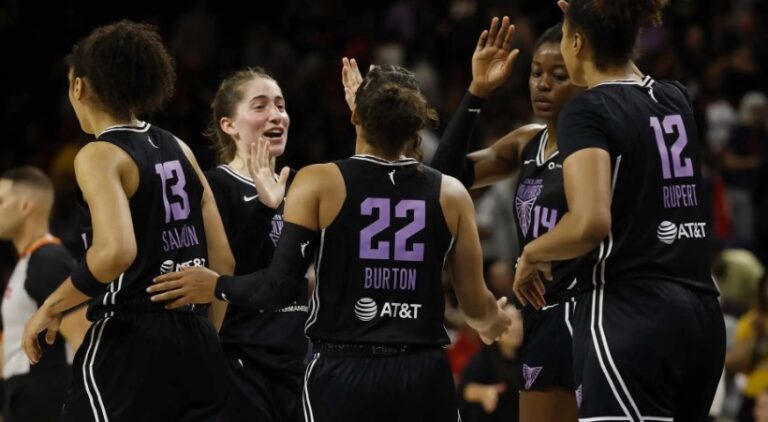
A single social media post from a superstar athlete can reach more people in minutes than many political organizations can reach in months. Modern athletes are no longer just players; they are brands, influencers, entrepreneurs, and community leaders with enormous communication power. Some athletes have already begun embracing that role. NBA players helped drive voter registration efforts during the 2020 election. WNBA players became outspoken advocates for voting access and racial justice. NFL teams opened stadiums as voting sites in several cities. Those actions showed that sports organizations and athletes can influence civic engagement in meaningful ways.
The NAACP believes the fight against gerrymandering could become the next major chapter in athlete activism. Importantly, this conversation is not only about Black communities. Gerrymandering affects voters of all backgrounds because it can weaken the principle that elections should fairly represent the people. When district maps are manipulated for political advantage, trust in democracy itself can erode. That broader democratic concern is why the issue deserves national attention. NAACP asks Black athletes to stand against gerrymandering
Still, the emotional weight of the conversation often falls hardest on Black Americans, whose communities have historically faced repeated attempts to reduce their political power. For many civil rights advocates, gerrymandering represents not just a technical political maneuver but part of a much larger struggle over equality and representation in America. Athletes speaking out will not solve the problem overnight. Court cases, legislation, and political reform will still play major roles. But awareness matters. Public pressure matters. Conversations matter.
History has shown that athletes can help shift the national mood in powerful ways. They can challenge people to think differently, ask uncomfortable questions, and pay attention to issues they might otherwise ignore. The NAACP’s message is ultimately about more than sports. It is about influence, responsibility, and democracy itself. Whether one agrees with athlete activism or not, there is no denying that sports figures hold extraordinary cultural power. The real question is how that power should be used. For the NAACP, the answer is clear: when voting rights and fair representation are at stake, staying silent is not an option. And if Black athletes choose to stand against gerrymandering, the organization believes the rest of America should listen carefully. NAACP asks Black athletes to stand against gerrymandering
About the Author