Samsung shipping a handy fingerprint improvement
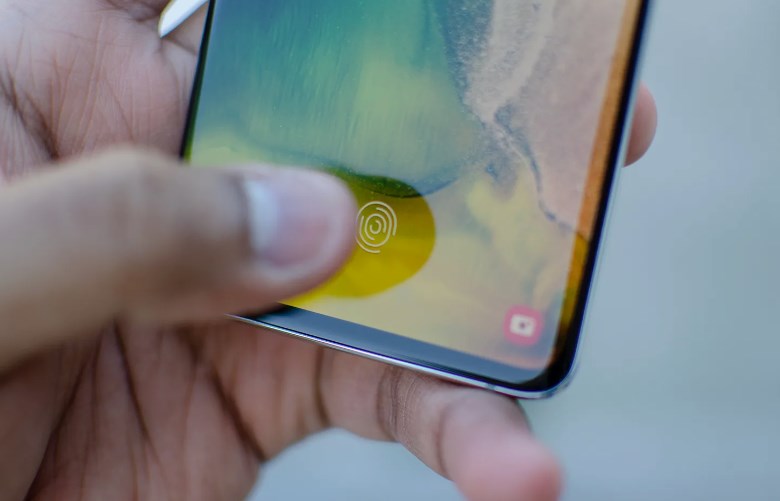
Samsung shipping a handy fingerprint improvement – Samsung is quietly working on a feature that could make one of the most frustrating smartphone experiences far less annoying. If you have ever tried unlocking your phone with slightly wet fingers, dry skin, or after putting on a screen protector, you already know how inconsistent fingerprint sensors can sometimes feel. Now, Samsung appears to be addressing that issue with a practical improvement aimed at making fingerprint recognition faster, smoother, and more reliable across its Galaxy devices.
The upgrade may not sound flashy compared to foldable phones or AI-powered features, but it could end up being one of the most useful quality-of-life improvements Samsung users see this year. After all, fingerprint authentication is something millions of people use dozens—if not hundreds—of times every single day. Reports suggest Samsung is preparing enhancements tied to its ultrasonic fingerprint technology, likely arriving through future software updates and upcoming Galaxy devices. The goal is simple: reduce failed fingerprint scans and improve responsiveness in real-world conditions.
That may seem like a small tweak on paper, but in practice, it can make a huge difference. For years, Samsung has relied heavily on ultrasonic fingerprint scanners for its premium smartphones. Unlike optical sensors that simply capture a 2D image of your fingerprint using light, ultrasonic sensors use sound waves to create a more detailed 3D map of your fingerprint. This method is generally considered more secure and often works better in difficult conditions. Samsung shipping a handy fingerprint improvement
However, even Samsung’s advanced sensors have not been perfect. Many users have experienced moments where the phone refuses to unlock on the first try. Sometimes fingers are too dry. Sometimes there is dust, moisture, or lotion on the skin. Screen protectors can also interfere with sensitivity. In other cases, the scanner simply feels slower than expected. Samsung seems determined to improve all of that.
The company is reportedly introducing smarter fingerprint recognition behavior that adapts more effectively to different finger conditions. That could mean the phone becomes better at recognizing partial prints, adjusting sensitivity dynamically, or learning subtle changes in your fingerprint over time. In everyday use, the result would be fewer failed unlock attempts and less frustration. The timing of this improvement makes sense. Smartphones today are packed with security features, but convenience remains equally important. Users want strong protection without sacrificing speed. Nobody wants to repeatedly tap the screen or reposition their thumb just to unlock a device quickly.
Fingerprint authentication has become deeply integrated into modern smartphone life. It is no longer just about unlocking the phone. People now use fingerprints to authorize mobile payments, access banking apps, log into accounts, protect private files, and confirm purchases. That means even a tiny improvement in fingerprint accuracy can have a noticeable impact throughout the day. Samsung has been pushing hard to refine the Galaxy user experience in recent years. While competitors often focus heavily on camera battles and AI marketing, Samsung has quietly invested in polishing smaller details that affect everyday usability.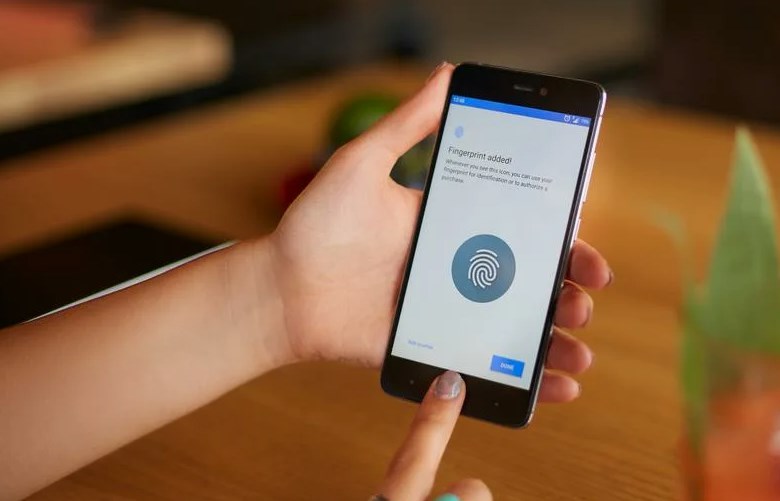
This fingerprint enhancement fits perfectly into that strategy. The company understands that smooth interactions help define a premium smartphone experience. Fast app launches, fluid animations, reliable battery life, and accurate biometrics all contribute to whether a device feels truly polished. And biometric reliability matters more than ever. Many users still prefer fingerprint authentication over facial recognition. Fingerprints work in dark environments, are usually faster in certain situations, and avoid some privacy concerns associated with always-on facial scanning. In regions where mask usage remains common or where bright sunlight affects face unlock systems, fingerprint sensors are often the more dependable option.
Samsung’s ultrasonic approach already has advantages over many rivals. Optical fingerprint scanners, which are common in mid-range Android phones, can struggle under bright light and are generally easier to fool compared to ultrasonic systems. Samsung’s solution is regarded as more secure because it captures depth information beneath the skin’s surface. Still, there has always been room for refinement. One major complaint from users has involved screen protectors. Some tempered glass protectors reduce fingerprint sensitivity or create inconsistent readings. Samsung has tried addressing this before by recommending compatible accessories and improving software calibration, but issues occasionally persist.
The rumored improvements could help reduce those compatibility problems significantly. If Samsung succeeds, Galaxy owners may no longer need to worry as much about finding “fingerprint-friendly” screen protectors. That would be a welcome change for users who prioritize both durability and convenience. There is also growing speculation that Samsung’s next-generation Galaxy devices may include larger or more advanced ultrasonic sensors. Bigger scanning areas can make fingerprint authentication feel more natural because users do not need to place their thumb as precisely on the screen.Samsung shipping a handy fingerprint improvement
A wider recognition zone could dramatically improve ease of use, especially when unlocking the phone quickly while walking, multitasking, or using the device one-handed. This would align with broader trends in the smartphone industry. Brands are increasingly focusing on reducing friction in daily interactions. Consumers may not always notice every technical improvement immediately, but they absolutely notice when a device feels effortless to use.
That “it just works” feeling is incredibly valuable. Samsung’s attention to biometric performance also highlights how mature the smartphone market has become. Major breakthroughs are now less about revolutionary new hardware and more about refining existing technologies into seamless experiences. Five years ago, companies competed aggressively over who could fit a fingerprint sensor under the display first. Today, the challenge is making that technology nearly invisible in everyday use. Users do not want to think about their fingerprint scanner at all. They simply want it to work instantly every time.
Samsung appears to understand that clearly. The improvement could also benefit Galaxy users concerned about security. Better fingerprint recognition does not necessarily mean weaker protection. In fact, advanced machine learning and enhanced sensor processing can improve both speed and accuracy simultaneously. Modern biometric systems rely heavily on software intelligence. Phones analyze fingerprint patterns, pressure distribution, skin conductivity, and other subtle factors to confirm identity. Over time, AI-driven optimization can help the device adapt to minor changes in finger placement or skin condition without compromising security standards. That balance between convenience and protection is critical. Samsung shipping a handy fingerprint improvement
Samsung has already built a strong reputation in mobile security through features like Samsung Knox, which adds multiple layers of device protection. Improving biometric reliability further strengthens the company’s overall ecosystem. For Galaxy fans, this type of enhancement may feel small compared to flashy hardware announcements, but it is exactly the kind of update people appreciate long-term. A more dependable fingerprint sensor affects daily usage constantly, often in ways users only fully realize after switching back to a less refined device. The best smartphone features are often the ones that quietly remove frustration from daily life.
Whether these fingerprint improvements arrive through software updates, new hardware, or a combination of both, Samsung’s focus on polishing the experience shows the company is paying attention to real user complaints rather than just chasing marketing buzzwords. In the end, that practical approach may matter more than any headline-grabbing feature. A smartphone that unlocks smoothly every single time may not sound revolutionary—but after years of dealing with unreliable scans, many users will gladly welcome the upgrade. Samsung shipping a handy fingerprint improvement
About the Author