Suspect died after shooting at White House – A tense and chaotic scene unfolded just outside the White House when a gunman opened fire near a security checkpoint, prompting an immediate response from U.S. Secret Service officers. The suspect was later pronounced dead after officers returned fire, while a bystander was also injured during the exchange. The incident has once again highlighted the enormous security challenges surrounding one of the most protected locations in the world. Suspect died after shooting at White House
The shooting occurred on the evening of May 23 near the intersection of 17th Street and Pennsylvania Avenue in Washington, D.C., a heavily guarded area adjacent to the White House complex. According to federal authorities, the suspect approached a security checkpoint carrying a bag. Moments later, he reportedly pulled out a firearm and began shooting toward officers stationed at the checkpoint. Suspect died after shooting at White House
Secret Service officers reacted within seconds. Trained to respond instantly to threats against protected sites and personnel, they returned fire, striking the gunman. Emergency responders quickly arrived at the scene and transported the suspect to a nearby hospital. Despite medical efforts, he later died from his injuries.
Authorities identified the suspect as 21-year-old Nasire Best. Investigators are now working to determine his motives and whether the attack was planned or connected to any larger threat. While many questions remain unanswered, officials have revealed that Best had previous encounters with law enforcement connected to the White House. Court records indicate he was arrested in July 2025 after attempting to enter another White House checkpoint without authorization. Reports from that incident suggest he ignored officers’ commands and made unusual statements before being detained. A court-issued stay-away order was later put in place.
For those present near the White House, the incident unfolded with startling speed. Journalists covering daily White House activities reported hearing multiple gunshots ring out across the area. Many immediately sought shelter as security personnel issued warnings and moved people away from potential danger zones. Some reporters described hearing what sounded like a prolonged burst of gunfire before officers secured the area.
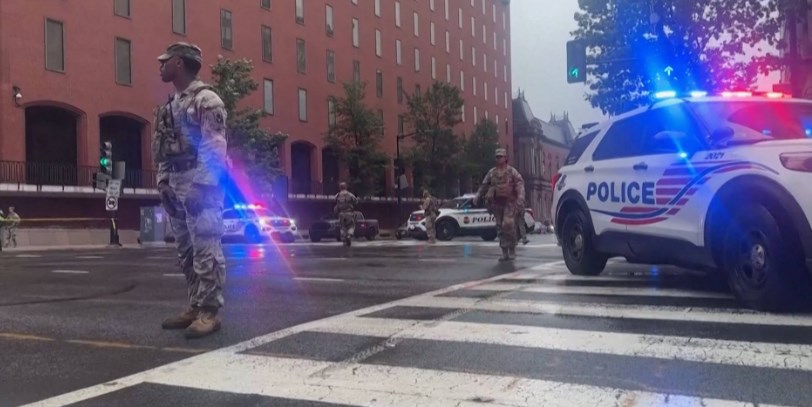
Following the shooting, security officials established a large perimeter around the scene. Streets were blocked, evidence markers were placed across the sidewalk, and investigators began collecting forensic evidence. The normally busy area surrounding the White House quickly transformed into an active crime scene as law enforcement agencies coordinated their response.
One of the most concerning aspects of the incident was the injury suffered by a bystander. Authorities confirmed that a civilian was struck by gunfire during the confrontation. However, investigators have not yet determined whether the injury was caused by bullets fired by the suspect or by rounds discharged during the officers’ response. The individual was transported for medical treatment, and officials have continued examining evidence to establish exactly how the injury occurred.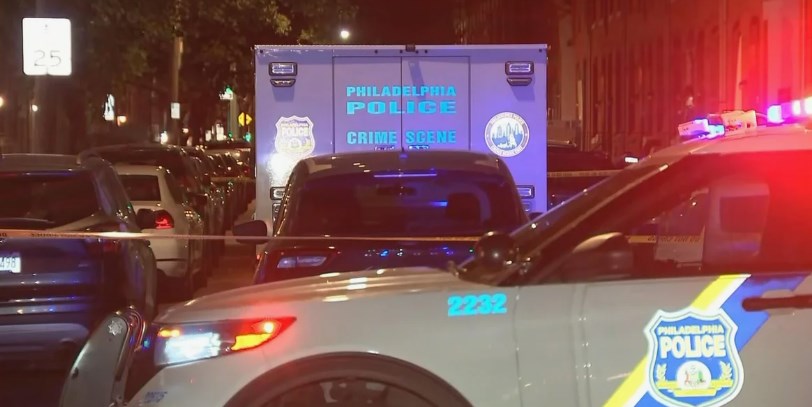
Notably, no Secret Service officers were injured during the exchange. Officials praised the quick actions of the agents on duty, noting that their rapid response likely prevented a more serious tragedy. Security experts often point out that personnel stationed around the White House undergo extensive training for precisely these kinds of high-pressure situations, where seconds can make the difference between containment and catastrophe.
At the time of the shooting, President Donald Trump was reportedly at the White House but was not harmed. Officials emphasized that the president was never directly impacted by the incident. Nevertheless, the event triggered immediate security protocols designed to protect the president, staff members, visitors, and members of the media who were present on the grounds. Suspect died after shooting at White House
The shooting has drawn additional attention because it represents the latest in a series of security incidents near the president in recent weeks. Law enforcement agencies have been dealing with multiple threats and shooting-related events around locations connected to presidential activities. While investigators have not suggested any direct connection between these incidents, the pattern has increased concerns among security officials tasked with safeguarding government facilities and national leaders.
In the aftermath of the attack, the Secret Service and the Federal Bureau of Investigation launched a comprehensive investigation. Authorities are reviewing surveillance footage, interviewing witnesses, and examining the suspect’s background to better understand what led to the confrontation. Investigators will also analyze the sequence of shots fired and determine exactly how the bystander was wounded.
Incidents like this serve as a stark reminder of the complex and often dangerous realities faced by security personnel protecting national institutions. The White House is among the most secure buildings in the world, yet threats can emerge unexpectedly and escalate within moments. For the officers standing watch, constant vigilance is part of the job.
As the investigation continues, officials hope to gain a clearer picture of the suspect’s motivations and the circumstances that led to the deadly encounter. For now, the event leaves behind difficult questions about public safety, mental health, and the persistent security challenges surrounding America’s most recognizable government building.
While the immediate threat was neutralized, the shooting underscores how quickly routine activity can turn into a crisis. The swift response by Secret Service officers prevented further harm, but the incident will likely remain under close examination for weeks to come as investigators work to piece together every detail of what happened outside the White House that evening. Suspect died after shooting at White House
About the Author