Samsung finds new NAND storage for faster and efficient phones
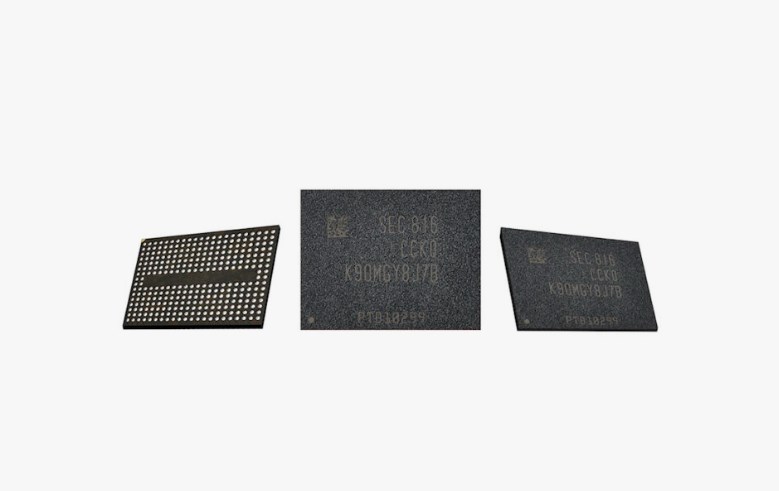
Samsung finds new NAND storage for faster and efficient phones – Samsung is once again pushing the boundaries of smartphone storage technology. The South Korean tech giant has reportedly developed a new generation of NAND flash memory that could make future smartphones significantly faster, more power-efficient, and better at handling AI-driven features. As smartphones continue evolving into powerful pocket-sized computers, advancements in storage are becoming just as important as improvements in processors and cameras.
For years, consumers have focused mainly on RAM, battery life, and chipset performance when comparing phones. But storage technology plays a huge role in determining how fast apps load, how smoothly multitasking works, and how efficiently devices manage power consumption. Samsung’s latest NAND innovation could quietly become one of the biggest upgrades in upcoming smartphones.
The company’s new NAND storage solution is designed to improve data transfer speeds while reducing energy usage. That combination is especially important today as smartphone makers race to create thinner devices packed with AI tools, high-resolution cameras, and console-level gaming performance. NAND flash memory is the type of storage used in smartphones, tablets, SSDs, and many other modern electronic devices. Unlike traditional hard drives, NAND storage has no moving parts, allowing for faster speeds and greater durability. Over the years, Samsung has become one of the global leaders in NAND technology, supplying storage chips not only for its own Galaxy devices but also for many other manufacturers around the world.
The latest breakthrough reportedly centers around higher-density NAND architecture and improved efficiency in how data is stored and accessed. In simpler terms, Samsung has found a way to make storage smarter, faster, and less power-hungry at the same time. This matters because modern smartphones are handling larger workloads than ever before. AI-powered photo editing, real-time language translation, advanced gaming engines, and 8K video recording all place enormous pressure on storage systems. If storage cannot keep up with the processor, the overall user experience suffers.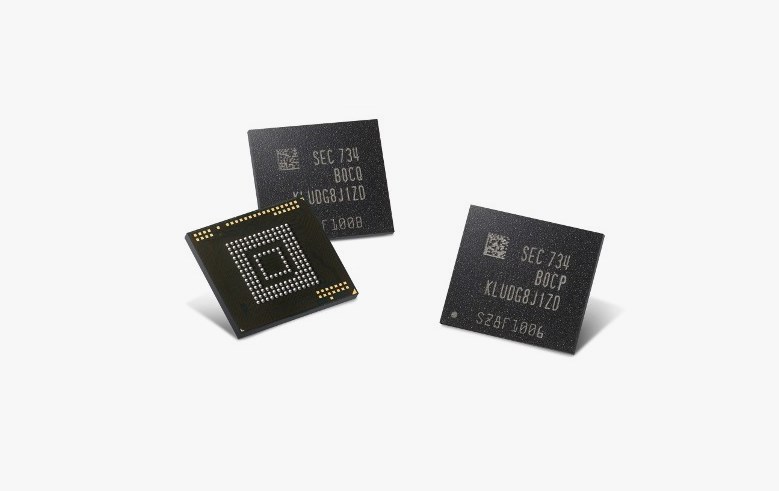
Samsung’s new NAND solution aims to remove those bottlenecks. One of the biggest benefits users may notice is faster app launching. Applications could open almost instantly, while large games and media files may load more smoothly. Multitasking performance could also improve significantly, especially on premium smartphones with AI features running continuously in the background. Another major advantage is better energy efficiency. Storage chips consume power every time data is read or written. By improving efficiency, Samsung can help smartphones preserve battery life even while performing demanding tasks. Samsung finds new NAND storage for faster and efficient phones
Battery optimization has become increasingly important as users expect all-day battery life from devices packed with high-refresh-rate displays, powerful processors, and advanced cameras. Even small efficiency gains in storage components can translate into meaningful improvements in real-world battery performance. Samsung’s development also arrives at a crucial moment for artificial intelligence in mobile devices. AI features require rapid movement of massive amounts of data between storage, memory, and processors. Faster NAND storage helps ensure those AI operations happen quickly and seamlessly.
This could become especially useful for on-device AI, where tasks are processed directly on the phone instead of relying on cloud servers. On-device AI offers advantages in speed, privacy, and offline functionality, but it also demands highly efficient hardware. Samsung’s next-generation NAND could play a key role in enabling more sophisticated AI experiences on future Galaxy smartphones. Industry experts believe the technology may first appear in flagship devices before eventually trickling down to more affordable models. Samsung often introduces cutting-edge storage innovations in its premium Galaxy S and Galaxy Z series phones before expanding them across its lineup.
There is also growing speculation that this new NAND storage may complement upcoming mobile chipsets designed specifically for AI workloads. Modern processors are becoming increasingly dependent on fast storage access to maintain smooth performance under demanding conditions. Gaming is another area where the new storage technology could make a noticeable difference. Mobile gaming has evolved dramatically over the past few years, with many titles now featuring console-quality graphics, large open worlds, and online multiplayer systems. These games require rapid loading of textures, maps, and assets. Faster NAND storage can reduce loading times and improve in-game responsiveness.
For content creators, the benefits could be equally important. Smartphones today are capable of capturing massive amounts of high-resolution photo and video data. Recording 4K and 8K videos generates enormous file sizes that need to be stored quickly and efficiently. Advanced NAND solutions can help ensure smoother recording experiences without overheating or slowing down the device. Samsung’s latest innovation also reflects the broader competition happening in the semiconductor industry. Companies are racing to develop faster and denser storage technologies to support the next wave of AI computing and connected devices.
The smartphone market has matured in recent years, making hardware differentiation more difficult. Many devices now feature similar designs, camera systems, and display technologies. As a result, companies are increasingly focusing on behind-the-scenes improvements like storage architecture, cooling systems, and AI optimization to gain a competitive edge. Samsung has long invested heavily in semiconductor research and manufacturing. The company remains one of the world’s largest memory chip producers, competing with other major players such as SK Hynix and Micron. Innovations in NAND technology are critical not only for smartphones but also for data centers, AI servers, laptops, and electric vehicles.
The new NAND storage could eventually extend beyond mobile devices into broader consumer electronics ecosystems. Faster and more efficient storage solutions are becoming essential across industries as data demands continue growing rapidly. Another interesting aspect of Samsung’s development is the potential impact on device longevity. More efficient storage systems can reduce wear and heat generation over time, potentially helping smartphones maintain performance for longer periods. This aligns with growing consumer demand for devices that remain fast and reliable over several years of use. Samsung finds new NAND storage for faster and efficient phones
As smartphone prices continue rising, buyers increasingly expect long-term durability and sustained performance. Storage improvements may not be as flashy as new camera sensors or foldable displays, but they often have a direct impact on how a device feels during everyday use. Samsung has not yet revealed every technical detail surrounding the new NAND technology, but the early reports suggest a major step forward in balancing performance and power efficiency. If the company successfully integrates the storage into future smartphones, users may experience faster, smarter, and more responsive devices without sacrificing battery life.
The development also highlights how innovation in smartphones is no longer limited to visible hardware changes. Some of the most meaningful advancements now happen deep inside devices, in components most consumers rarely think about. Storage technology may not generate the same excitement as foldable screens or AI assistants, but it remains one of the foundations of modern computing. Every photo taken, app opened, and video streamed depends on storage performance working quietly in the background.
Samsung’s latest NAND breakthrough shows that even in a crowded smartphone market, there is still room for meaningful innovation. As mobile devices become more intelligent and powerful, the importance of fast and efficient storage will only continue to grow. For consumers, that could mean future phones that feel quicker, last longer on a charge, and handle increasingly advanced AI features with ease. And for Samsung, it represents another important step in maintaining its position at the forefront of semiconductor and smartphone technology. Samsung finds new NAND storage for faster and efficient phones
About the Author