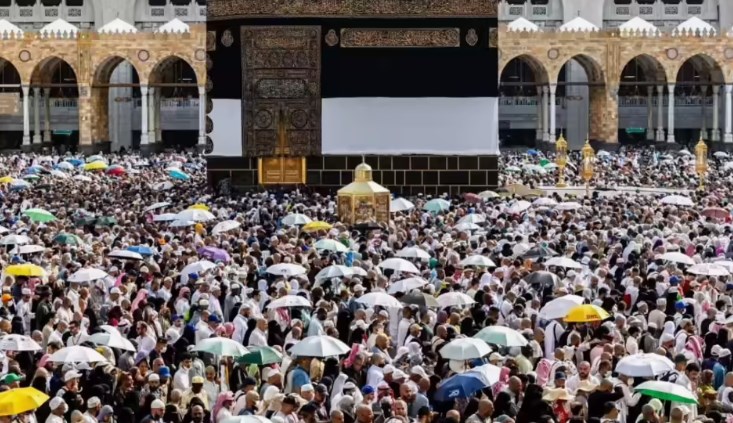
Hajj pilgrimage begins amid extreme temperatures
Hajj pilgrimage begins amid extreme temperatures – Every year, millions of Muslims from around the world gather in the holy city of Mecca for one of the largest religious gatherings on Earth — the Hajj pilgrimage. In 2026, the spiritual journey has once again begun under intense conditions, with pilgrims facing soaring temperatures that have raised fresh concerns about safety, health, and climate-related risks during the sacred event. Despite the extreme heat, the atmosphere in Saudi Arabia remains filled with faith, emotion, and determination as worshippers carry out rituals that date back more than 1,400 years. For many pilgrims, this is the journey of a lifetime — one they have spent years saving for and dreaming about. Hajj pilgrimage begins amid extreme temperatures
Authorities in Saudi Arabia have launched extensive preparations to help protect pilgrims from the punishing summer weather, especially after previous Hajj seasons saw hundreds of heat-related illnesses and deaths. Officials have introduced additional cooling stations, shaded walkways, water distribution points, and emergency medical services in an effort to prevent another tragedy.
Temperatures during this year’s Hajj are expected to climb well above 45 degrees Celsius (113 degrees Fahrenheit) in some areas, creating difficult conditions for pilgrims performing outdoor rituals for hours at a time. The intense desert heat has become an increasingly serious challenge for the annual pilgrimage, particularly as climate experts warn that rising global temperatures are making extreme weather events more frequent and dangerous.
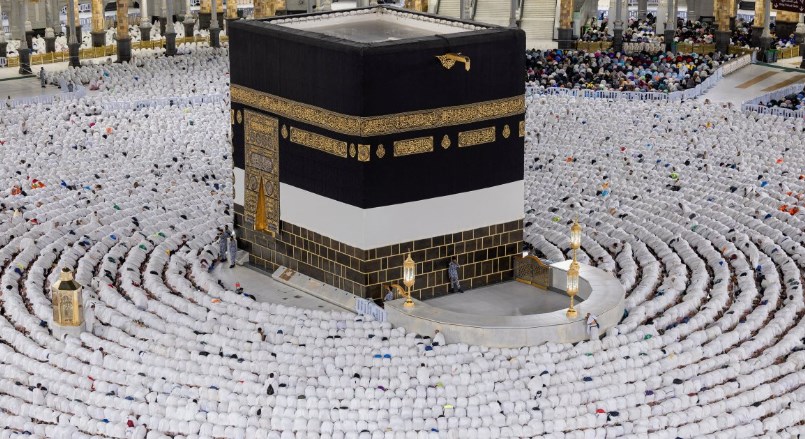
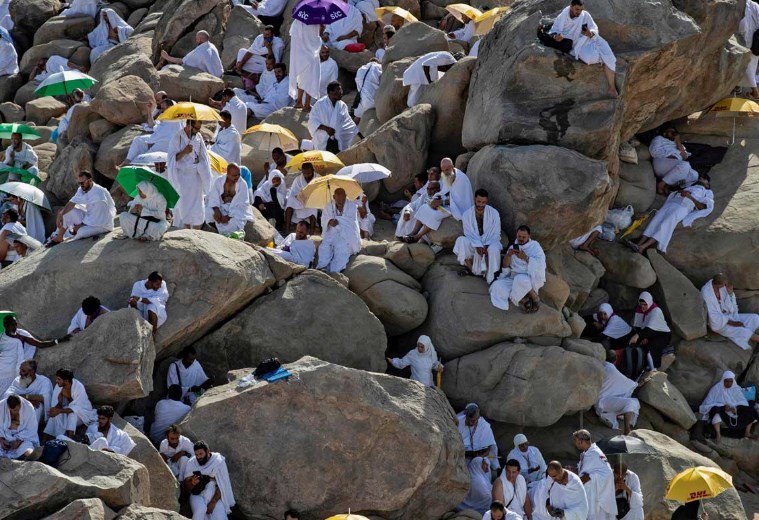
The Hajj is one of the five pillars of Islam and is required at least once in a lifetime for Muslims who are physically and financially able to make the trip. Each year, pilgrims travel from nearly every corner of the globe to perform a series of rituals in and around Mecca, including circling the Kaaba, praying on Mount Arafat, and participating in symbolic acts of devotion and sacrifice.
For many pilgrims arriving this year, the overwhelming heat has done little to weaken their spiritual commitment. “We came here for Allah, and we are prepared for every hardship,” said one pilgrim from Indonesia while resting beneath a shaded tent outside the Grand Mosque. “The heat is difficult, but being here is something I have prayed for my entire life.”
Scenes across Mecca show worshippers carrying umbrellas, spraying water over their faces, and seeking shelter whenever possible between rituals. Volunteers and medical workers have been stationed throughout key pilgrimage routes to offer assistance to exhausted pilgrims struggling with dehydration or heat stress. Saudi officials say they have mobilized tens of thousands of health workers and emergency personnel to manage the crowds and respond quickly to medical emergencies. Hospitals in Mecca and surrounding holy sites have also been placed on high alert throughout the pilgrimage period.
The government has invested billions of dollars over the years to modernize Hajj infrastructure, expanding transportation systems, crowd management technology, and public health services. Massive misting fans and air-conditioned rest areas are now common sights throughout the pilgrimage zones. Even with these improvements, experts warn that the combination of large crowds and rising temperatures creates a dangerous environment, especially for elderly pilgrims and those with pre-existing medical conditions. Hajj pilgrimage begins amid extreme temperatures
Last year’s Hajj season drew global attention after reports of hundreds of heat-related fatalities emerged during extreme weather conditions. Many victims were older pilgrims who struggled to cope with the intense temperatures while performing physically demanding rituals outdoors. The tragedy sparked renewed conversations about climate change and the future of major outdoor religious gatherings in some of the world’s hottest regions.
Scientists have increasingly pointed to the Middle East as one of the regions most vulnerable to extreme heat caused by climate change. Studies suggest that temperatures during future Hajj seasons could continue rising, especially when the pilgrimage falls during peak summer months. Unlike fixed holidays on the Gregorian calendar, the Islamic calendar follows the lunar cycle, meaning the timing of Hajj shifts slightly each year. Over time, the pilgrimage moves through different seasons, which means future Hajj pilgrimages will eventually occur during cooler months again. However, for now, pilgrims continue to face intense summer conditions.
Saudi Arabia’s Ministry of Health has repeatedly advised pilgrims to stay hydrated, avoid direct sunlight during peak afternoon hours, and use umbrellas to reduce heat exposure. Officials have also encouraged vulnerable individuals to seek medical attention immediately if they experience dizziness, fatigue, or breathing difficulties. Technology is also playing a larger role in managing the pilgrimage. Authorities are using artificial intelligence systems, surveillance networks, and crowd-monitoring tools to track movement patterns and respond faster to emergencies. Smart applications help guide pilgrims through rituals while also providing real-time health and weather alerts.
Security remains another major focus during Hajj. Thousands of police officers and military personnel have been deployed to maintain order and manage the movement of massive crowds flowing through holy sites. The pilgrimage has historically faced challenges ranging from stampedes to health outbreaks, making safety planning a top priority every year. Despite the physical hardship, many pilgrims describe the journey as deeply emotional and spiritually transformative. Hajj pilgrimage begins amid extreme temperatures
Inside the Grand Mosque, worshippers from dozens of countries stand side by side in prayer, united by faith despite differences in language, culture, and nationality. The sight of millions dressed in simple white garments reflects one of the central themes of Hajj: equality before God. Families pray together, strangers help one another navigate crowded pathways, and volunteers hand out free water and meals to exhausted pilgrims under the blazing sun. The spirit of community remains one of the defining features of the pilgrimage.
For many Muslims, completing Hajj represents a moment of renewal, forgiveness, and devotion. Pilgrims often speak of feeling humbled by the experience, particularly when standing at Mount Arafat, considered one of the most sacred moments of the pilgrimage. As temperatures continue to rise throughout the region, this year’s Hajj serves as both a profound spiritual gathering and a reminder of the growing impact of extreme weather on global events. The challenge for Saudi authorities will be balancing the logistics of hosting millions of pilgrims while adapting to an increasingly hotter climate.
Still, for those making the sacred journey, faith remains stronger than the heat. Under the scorching desert sun, millions continue walking, praying, and enduring together — driven by a spiritual purpose that transcends physical discomfort. For pilgrims gathered in Mecca this year, the hardships of the journey are part of the devotion itself, turning every step in the extreme heat into an act of faith. Hajj pilgrimage begins amid extreme temperatures