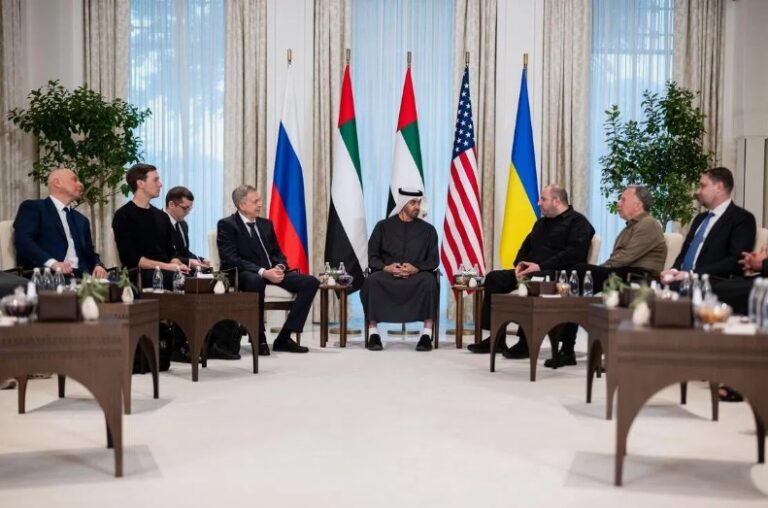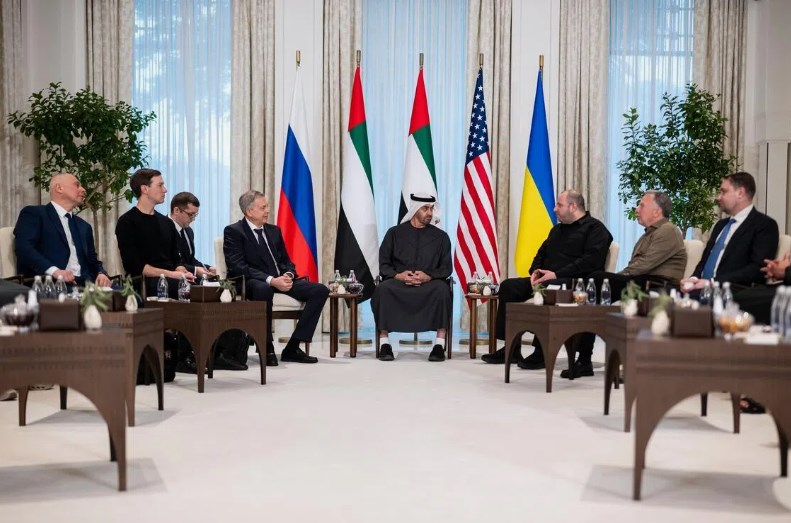
Peace talks in Abu Dhabi are taking place without Europeans – The disagreement over Europe’s participation became increasingly clear in the days leading up to the Abu Dhabi meeting. Kremlin spokesperson Dmitry Peskov said the discussions would take place between Russia and Ukraine, with the United States serving as mediator.
His comments effectively ruled out direct European participation in the main negotiating format. Moscow argued that the United States and Ukraine already maintained their own communication channels with European partners, suggesting that additional representatives were unnecessary at the table.
Russian officials have also expressed criticism of Europe’s approach to the conflict. Foreign Minister Sergei Lavrov dismissed the significance of European representatives traveling to Abu Dhabi, suggesting they could remain at their hotel rather than participate in the negotiations. Peace talks in Abu Dhabi are taking place without Europeans
Such remarks underline the difficult relationship between Moscow and European capitals. Russia has repeatedly accused Western governments of prolonging the conflict by providing military assistance to Ukraine, while European leaders argue that supporting Kyiv is necessary to protect its sovereignty and prevent further Russian aggression.
For European governments, being excluded is particularly uncomfortable because any potential peace agreement could have consequences far beyond Ukraine’s borders. Security arrangements, sanctions, military commitments, and future relations with Russia would all affect the wider European continent.
Europe Is Present in Abu Dhabi but Not at the Main Table
Although European officials are not participating directly in the trilateral negotiations, that does not mean Europe is completely absent from Abu Dhabi. Representatives from France, Germany, Italy, the United Kingdom, the European Union, and NATO have traveled to the United Arab Emirates for discussions surrounding the peace process. Their activities include separate meetings with Ukrainian officials and coordination with American representatives.
European Commission President Ursula von der Leyen has emphasized that the European Union is participating alongside its partners. However, there is an important difference between being present in the country and having a seat in the room where Russia and Ukraine are negotiating.
European representatives are expected to receive information about the discussions and communicate their positions through separate diplomatic channels. This arrangement allows European governments to remain involved in broader consultations without directly influencing the negotiations themselves.
The distinction has also exposed disagreements within Europe about how the continent should be represented. France, Germany, Italy, and other governments have different diplomatic priorities, making it difficult to establish a single representative who can speak for everyone.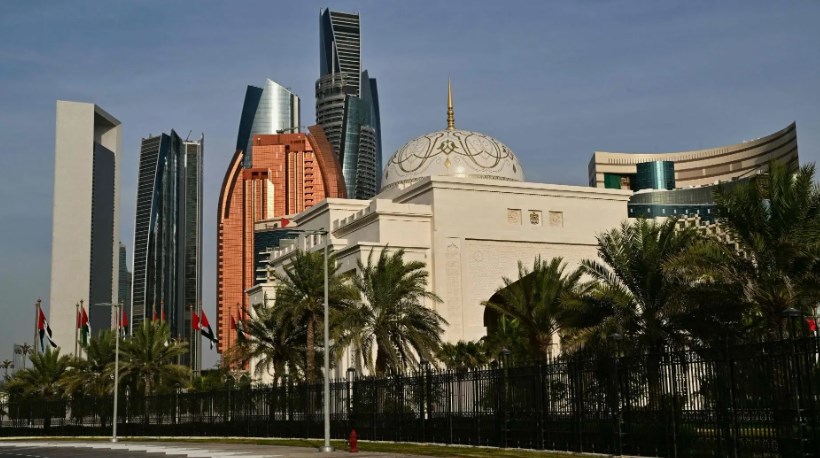
Italian Prime Minister Giorgia Meloni has previously raised concerns about Europe’s lack of coordination. Her position reflects a wider fear that disagreements among European governments could weaken their influence during an important moment in international diplomacy. Without a unified strategy, European leaders risk becoming observers rather than active participants in decisions that could reshape their security environment.
Ukraine Faces Difficult Decisions Over Territory and Security
For Ukraine, the negotiations involve some of the most sensitive questions imaginable. The country wants an end to the fighting, but it also needs guarantees that a future agreement will not simply create an opportunity for another Russian invasion. Moscow continues to demand significant concessions, including Ukrainian withdrawal from territories it claims and restrictions on Ukraine’s future military and security arrangements. Russia has also opposed Ukraine joining NATO.
Kyiv, however, has repeatedly rejected demands that would require surrendering its territory or compromising its independence. Ukrainian President Volodymyr Zelensky has emphasized the importance of sovereignty and credible security guarantees as essential conditions for any lasting settlement. These disagreements explain why reaching an agreement remains extremely difficult. A ceasefire might stop immediate fighting, but it would not necessarily resolve the underlying political and territorial disputes.
Ukraine also needs to know what happens after the fighting ends. Without reliable international guarantees, Kyiv could face the risk of renewed aggression several years later. That is one reason European participation matters so much to the Ukrainian government. European countries have played a major role in supporting Ukraine and could become important partners in implementing any future security arrangement. The challenge is finding an agreement that ends the war without leaving Ukraine vulnerable or creating conditions for another conflict. Peace talks in Abu Dhabi are taking place without Europeans
Trump’s Administration Wants Progress Toward a Peace Agreement
The Abu Dhabi negotiations are taking place under considerable pressure from the Trump administration, which has made ending the war an important diplomatic objective. American representatives, including special envoy Steve Witkoff and Jared Kushner, are involved in efforts to bring Moscow and Kyiv closer together. Washington believes that continued negotiations could help identify areas where both sides might eventually find common ground.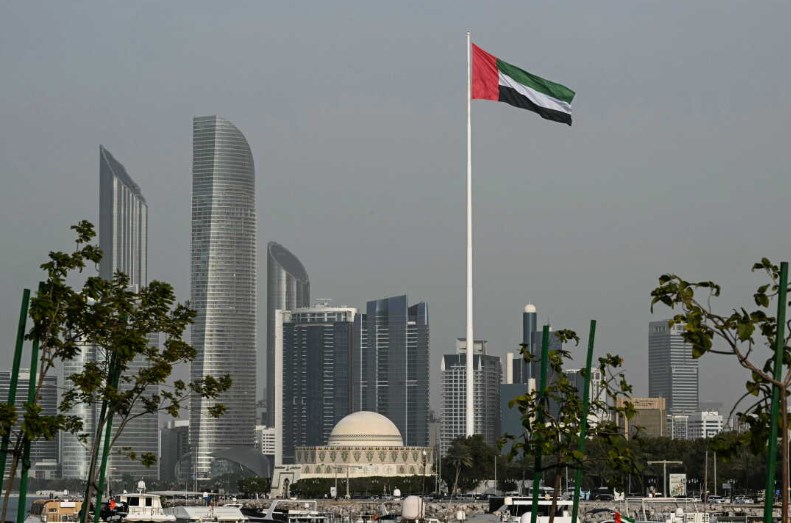
President Trump has suggested that a broader agreement could be possible, raising expectations that diplomatic efforts might finally produce meaningful results. However, American officials have also acknowledged that substantial disagreements remain. The United States faces a complicated balancing act. It must maintain communication with Russia while ensuring that Ukraine does not feel pressured into accepting an agreement that threatens its long-term security.
Washington also needs to consider Europe’s position. European countries are important partners in supporting Ukraine, maintaining sanctions against Russia, and potentially helping implement a postwar settlement. A peace agreement negotiated without European involvement could therefore face practical difficulties, particularly if it requires European governments to provide financial assistance, security guarantees, or other commitments. The Trump administration has reportedly sought to persuade Moscow to accept a broader European role in future discussions. Whether that effort succeeds remains uncertain.
Europe’s Security Could Be Affected by Decisions Made Without It
The exclusion of European representatives raises a bigger question about the continent’s future role in international security. For decades, European governments have relied heavily on cooperation with the United States through NATO. However, the latest negotiations highlight how Washington may pursue diplomatic initiatives using a narrower format when dealing directly with major international conflicts. European leaders are concerned that decisions involving their security could be made without sufficient consultation. Any future agreement could influence military deployments, defense spending, NATO’s position, and the relationship between European countries and Russia.
The European Union has also emphasized that Ukraine’s sovereignty and territorial integrity must be respected. European officials want credible security guarantees that reduce the possibility of another invasion and create a stable foundation for lasting peace. At the same time, European governments need to agree on how they should participate in future negotiations. Disagreements over whether the European Commission, the European Council, or individual national leaders should represent the continent have complicated efforts to establish a unified diplomatic position. The issue is expected to remain an important topic during upcoming European meetings. Ultimately, Europe cannot simply demand a place at the table without developing a coordinated strategy that other negotiating partners are willing to recognize.
Peace Remains Uncertain Despite the Latest Diplomatic Effort
The opening of the Abu Dhabi negotiations is an important development, but expectations should remain realistic. The first session lasted nearly four hours before discussions were scheduled to resume on Wednesday. No breakthrough agreement was announced. Both Russia and Ukraine remain far apart on territorial questions, military restrictions, and the conditions required for a lasting ceasefire. Fighting has also continued, with attacks on energy infrastructure and military targets demonstrating that neither side has completely stepped away from the battlefield.
For ordinary Ukrainians, the diplomatic discussions are taking place against the background of continued uncertainty, damaged infrastructure, power disruptions, and the human cost of a prolonged war. The coming days could reveal whether American mediation can produce meaningful progress or whether the negotiations will encounter the same obstacles that have complicated previous diplomatic efforts.
Europe’s exclusion from the central discussions will remain another major issue. European governments may not be sitting at the main negotiating table, but they are unlikely to accept an agreement that ignores their security concerns or requires commitments without their involvement. The central question is whether Russia, Ukraine, and the United States can establish enough common ground to move toward peace while keeping European partners meaningfully involved.
For now, Abu Dhabi has become the center of a complicated diplomatic effort. The negotiations offer another opportunity to reduce the fighting, but they also reveal deep disagreements over who should shape the future of Ukraine and European security. A lasting peace will require more than an agreement between three delegations. It will need credible guarantees, respect for Ukraine’s independence, and cooperation from the European countries that will continue to live with the consequences of the war. Peace talks in Abu Dhabi are taking place without Europeans
About the Author