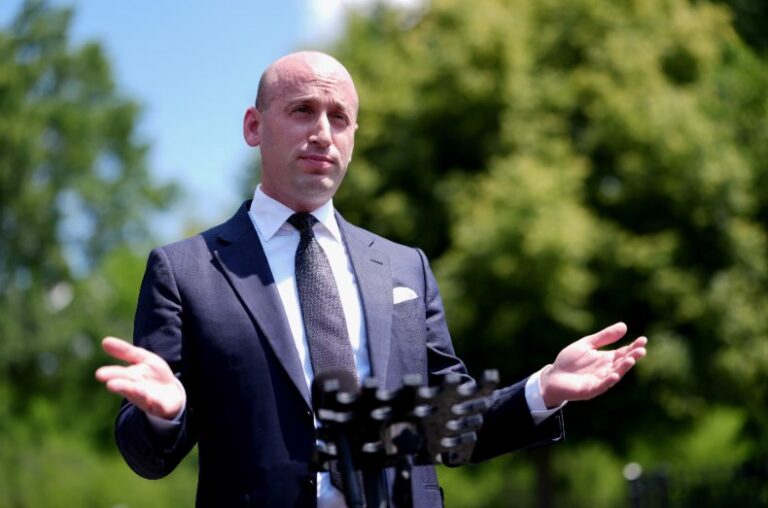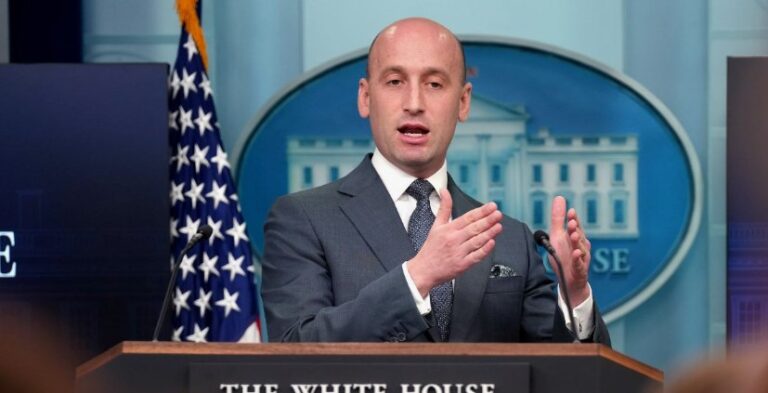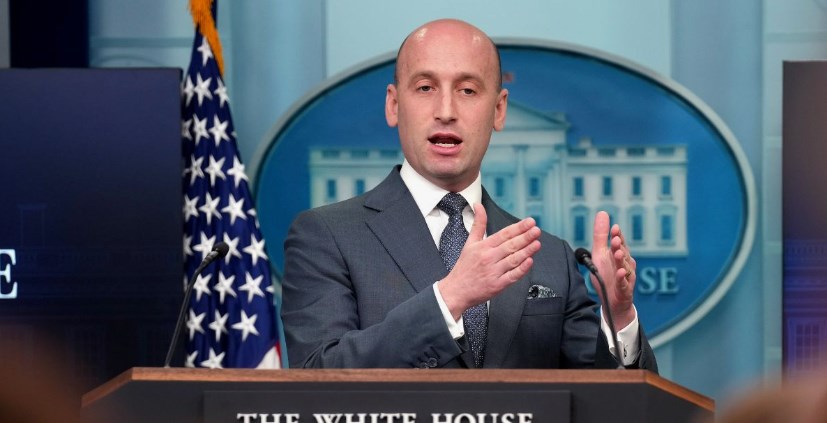
Stephen Miller to become White House chief of staff after Trump shake-up – President Donald Trump is making a major change to his White House leadership, choosing longtime adviser Stephen Miller to become his next chief of staff after Susie Wiles stepped down. The announcement, made on November 6, 2026, comes just days after Republicans suffered significant losses in the midterm elections, creating fresh questions about the administration’s political direction and its relationship with Congress.
Miller is one of Trump’s most influential and controversial advisers. Known for his hard-line views on immigration and his central role in shaping the president’s policy agenda, he has spent years helping turn Trump’s political promises into government action. His promotion signals that the president intends to rely even more heavily on a trusted loyalist as he enters a difficult final stretch of his term. The move is more than a routine change in personnel. It could influence how the White House makes decisions, handles political pressure, and responds to a newly empowered Democratic opposition.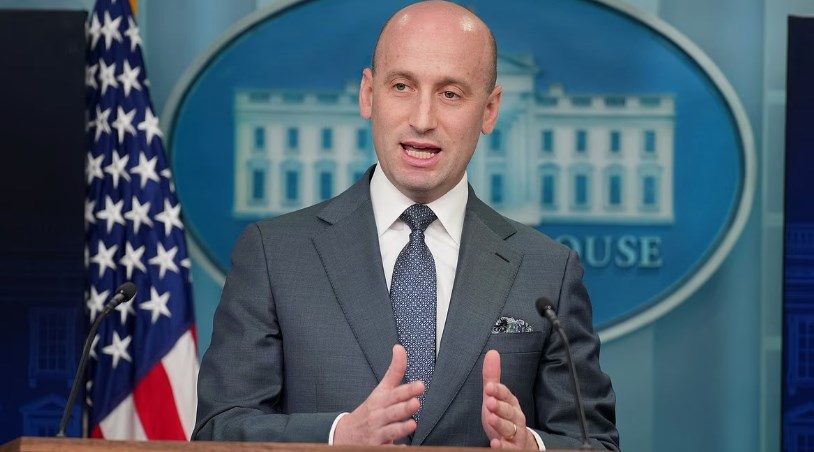
Susie Wiles’ Departure Marks a Major White House Change
Wiles’ departure ends a significant chapter in Trump’s second administration. She became the first woman to serve as White House chief of staff after Trump’s 2024 election victory and was widely credited with bringing organization and discipline to his political operation.
Before joining the administration, Wiles had built a reputation as an experienced Republican strategist. She played an important role in Trump’s successful 2024 campaign and had worked with him during previous election cycles. Her ability to manage competing personalities and maintain access to the president made her one of the most influential figures in the White House.
Trump announced that Wiles would move to his political operation rather than leave his political circle entirely. In her farewell statement, she described serving as chief of staff as an honor and said her commitment to the president’s mission would continue. Stephen Miller to become White House chief of staff after Trump shake-up
However, the timing of her departure has drawn attention. According to reporting by CBS News and ABC News, sources familiar with the situation connected the decision to Republican losses in the midterms. Trump publicly praised Wiles, but reports suggested that he was privately dissatisfied with the election outcome and its implications for his administration. The White House has not presented the change as a formal punishment. Nevertheless, replacing a chief of staff shortly after a major electoral setback sends a clear message that Trump is reconsidering how his team operates.
Who Is Stephen Miller?
Stephen Miller has been part of Trump’s political world for more than a decade. Before becoming one of the president’s closest advisers, he worked as a congressional staffer and developed a reputation as a committed conservative focused on immigration, national identity, and executive power.
Miller first gained national attention during Trump’s 2016 presidential campaign. He became a senior adviser and speechwriter in the first administration, helping shape the language and policy arguments behind some of Trump’s most recognizable positions.
Immigration quickly became his defining issue. Miller was a central architect of the administration’s restrictive immigration policies, including measures that led to family separations at the U.S.-Mexico border. Those policies generated widespread criticism from civil rights organizations, immigration advocates, and Democratic lawmakers.
After leaving the White House in 2021, Miller founded America First Legal, a conservative legal organization that challenged policies and initiatives associated with the Biden administration. He returned to Trump’s political operation as a senior adviser during the 2024 campaign.
In Trump’s second term, Miller served as deputy chief of staff for policy and homeland security adviser. His responsibilities extended beyond immigration, placing him at the center of discussions involving federal agencies, border enforcement, national security, and the president’s broader domestic agenda.
His promotion therefore formalizes a level of influence he already held. Rather than simply advising the president on individual policies, Miller will now be responsible for helping coordinate the wider White House operation.
A More Confrontational Approach Ahead?
The chief of staff is one of the most powerful positions in the federal government. Although the role does not come with the authority of an elected office, it gives its holder considerable influence over access to the president, internal discussions, policy coordination, and the administration’s daily priorities.
A successful chief of staff must manage competing advisers, keep departments working toward common goals, and prevent disagreements from becoming constant distractions. The position also requires political judgment, particularly when the president faces criticism or difficult negotiations with Congress.
Miller’s appointment raises questions about whether the White House will become more aggressive in defending Trump’s agenda. His public record suggests that he is unlikely to favor a major change in direction simply because Republicans performed poorly in the midterms.
Reuters reported that Miller has been closely involved in several controversial administration initiatives, including immigration enforcement, federal workforce changes, and policies that have generated legal and political disputes. His appointment could therefore reinforce the administration’s existing priorities rather than signal a shift toward moderation. Stephen Miller to become White House chief of staff after Trump shake-up
That approach may appeal to Trump’s most loyal supporters, who want the president to continue pursuing the promises that brought him back to office. However, it could also make cooperation with congressional Democrats more difficult.
With Democrats preparing to control both chambers of Congress, the White House will need to deal with lawmakers who have promised closer scrutiny of administration policies. Immigration enforcement, executive authority, federal spending, and the handling of politically sensitive investigations are all likely to attract attention. Miller’s reputation as a determined political fighter could make those discussions more heated.
Democrats Criticize the Decision as Republicans Offer Support
The appointment immediately produced sharply different reactions across Washington. Trump allies welcomed Miller’s promotion, describing him as experienced, loyal, and capable of implementing the president’s agenda. Vice President JD Vance congratulated Miller and described the promotion as well deserved. Other administration officials also praised his work and expressed confidence that he would lead the White House effectively.
Democrats, however, viewed the decision very differently. Several argued that promoting one of Trump’s most hard-line advisers after the Republican midterm losses showed that the administration was not interested in changing course. Their criticism centers largely on Miller’s role in immigration policy and his influence over the president’s use of executive authority. Democratic lawmakers have argued that the administration should respond to voters’ concerns by reconsidering controversial policies rather than giving greater power to the officials most closely associated with them.
Some Republican voices have also expressed reservations. Former Republican senator Thom Tillis criticized the selection, questioning whether such a polarizing figure would be effective in a position that requires managing relationships across political divisions. That criticism highlights an important challenge for Miller. A chief of staff must be more than a loyal defender of the president. The person in the role must also keep the administration functioning, communicate with lawmakers, and help the president navigate political realities.
What Miller’s Promotion Means for Trump’s Final Years
Miller’s appointment comes at a moment when the Trump administration has less room for political mistakes. Losing congressional majorities means the president will face stronger oversight, more investigations, and greater resistance to parts of his legislative agenda.
The White House will also need to respond to public concerns about the economy, immigration, government spending, and the direction of the country. Even policies that remain popular among Trump’s supporters could face serious challenges when Democrats control congressional committees and legislative negotiations.
Miller’s success will depend on whether he can turn Trump’s priorities into effective government action without allowing political disputes to overwhelm the administration. His experience inside the White House gives him an advantage, but the new job will require a broader set of skills than policy development and political messaging.
He will also inherit the organizational responsibilities that Wiles handled during her time as chief of staff. Managing personalities, controlling access, resolving disagreements, and keeping the president focused will be essential parts of the position. Stephen Miller to become White House chief of staff after Trump shake-up
For Trump, the choice reflects a familiar preference: placing trusted allies in positions where they can directly influence the administration’s direction. It also suggests that he wants a chief of staff who shares his political instincts and is prepared to defend his agenda during a challenging period.
Whether that strategy strengthens the White House or deepens its conflict with Congress remains to be seen. What is clear is that Miller’s promotion represents a significant shift in the administration’s internal power structure.
The midterm elections have changed Washington’s political landscape, but Trump’s response has not been to signal a softer approach. Instead, he has elevated one of his most committed and controversial advisers to the center of White House decision-making.
As Miller prepares to take over on November 9, attention will turn to how he uses his new authority. His leadership could shape the administration’s immigration strategy, its dealings with Congress, and the political battles that define Trump’s remaining time in office. For supporters, he represents continuity and determination. For critics, his appointment is a warning that the White House may become even more combative.
Either way, the change makes one thing clear: Stephen Miller is no longer simply one of Trump’s most influential advisers. He is preparing to become the person responsible for helping run the president’s entire White House operation.
About the Author