Android 17 will make it easier to stop apps from quietly tracking your location in the background
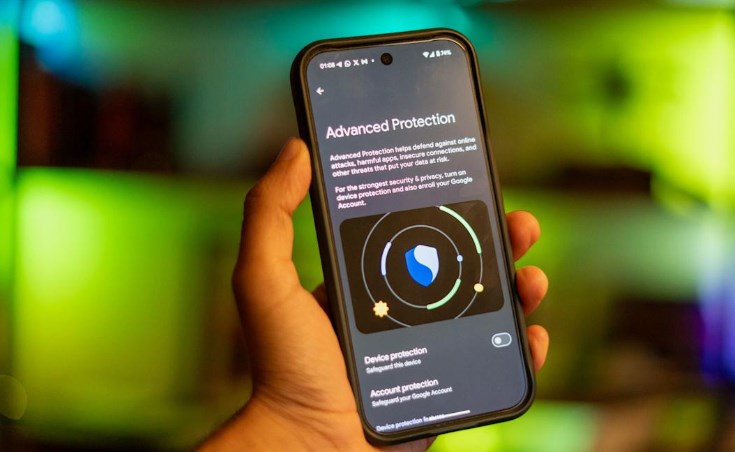
Android 17 will make it easier to stop apps from quietly tracking your location in the background – Android users have long had a complicated relationship with location permissions. Most people know that apps like maps, ride-sharing, and weather services need access to their location to function properly. What many users don’t realize, however, is how often apps continue monitoring location data quietly in the background — even after the app is closed or not actively being used. That could finally change with Android 17.
Google’s upcoming mobile operating system is expected to introduce new privacy-focused features that make it significantly easier for users to detect and stop apps from secretly tracking their location in the background. While Android has gradually improved privacy protections over the past few years, Android 17 appears ready to take things a step further by putting clearer controls and stronger transparency tools directly into users’ hands.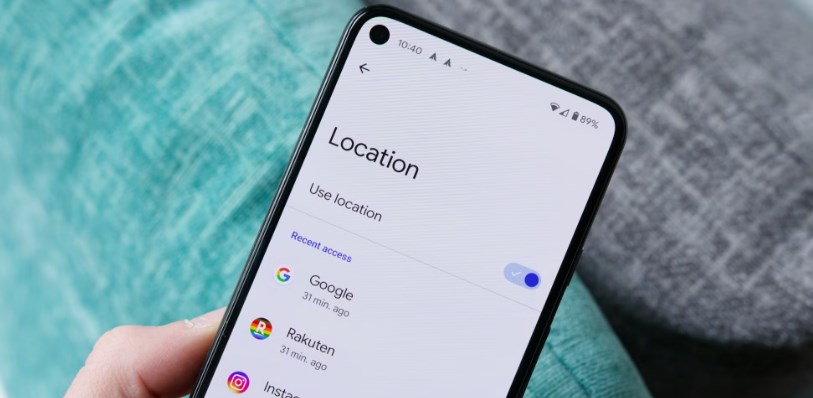
The move comes at a time when digital privacy concerns are growing rapidly worldwide. From targeted advertising to data collection practices used by third-party companies, smartphone users are becoming increasingly aware of how valuable their location information really is. Android 17 could represent one of Google’s most important privacy upgrades yet.
Why background location tracking matters
Location data is among the most sensitive information a smartphone can collect. It reveals where users live, work, shop, travel, and spend their free time. Even small pieces of location history can build a surprisingly detailed picture of someone’s habits and lifestyle. Many apps request location access for legitimate reasons. Navigation apps obviously need it for directions, while delivery services use it to track orders in real time. Fitness apps may require location data for route tracking during runs or bike rides.
The problem begins when apps continue collecting location information unnecessarily in the background. Some apps ask for “Always Allow” permissions during setup, enabling them to monitor location even when the app isn’t open. In some cases, users may forget they granted these permissions months earlier. Other times, apps may repeatedly prompt users until they approve background access simply to remove annoying notifications or pop-ups.
Once granted, background location access can continue silently for long periods without users noticing. Although Android already includes permission management tools, many people rarely check them. Settings menus can be buried several layers deep, and it’s often difficult to tell which apps are actively using location services behind the scenes. Android 17 aims to simplify that entire process.
A more aggressive approach to privacy
Reports surrounding Android 17 suggest Google is working on a smarter and more proactive privacy dashboard specifically designed to highlight suspicious or excessive location tracking behavior. Instead of expecting users to manually inspect app permissions, Android 17 may automatically flag apps that frequently access location data in the background. Users could receive clearer notifications showing exactly how often an app is tracking them and whether that activity seems unnecessary.
This shift is important because transparency alone can dramatically change user behavior. When people see concrete evidence that an app has accessed their location dozens or even hundreds of times in the background, they’re far more likely to reconsider those permissions.
The updated system may also introduce simplified controls that allow users to disable background tracking with fewer taps. Rather than navigating through several menus, Android 17 could provide quick-access prompts directly from privacy alerts or notification panels. Google appears to be focusing on making privacy protection more accessible to average users, not just tech-savvy Android enthusiasts.
Better real-time alerts
One of the most useful improvements rumored for Android 17 involves real-time warnings when apps repeatedly access location data in suspicious ways. Current Android versions already show small indicators when location services are active, but many users ignore them or don’t fully understand what they mean. Android 17 may provide more descriptive notifications explaining which app is using location data and why.
For example, users could see alerts stating that a social media app accessed location data multiple times over the past 24 hours despite not being actively opened. That kind of clarity could help users immediately recognize apps that may be collecting more information than expected.
Google is also reportedly exploring smarter contextual recommendations. If the system detects an app rarely needs background location access to function properly, Android 17 may suggest switching the permission to “Only While Using the App.” This creates a balance between convenience and privacy instead of forcing users into complicated manual decisions. Android 17 will make it easier
Following Apple’s lead — but with Android flexibility
Apple has spent years aggressively marketing privacy features on the iPhone, particularly around app tracking and permissions. iOS already provides detailed notifications showing how apps use sensitive data like location, camera access, and microphone activity. Android has traditionally offered more customization and flexibility, but sometimes at the cost of simplicity. With Android 17, Google seems determined to close that gap.
However, Android’s approach may still differ from Apple’s by allowing users more granular control over permissions rather than heavily restricting developers by default. Power users who want apps running continuously in the background would likely still have that option. The difference is that Android 17 may make those choices far more visible and understandable.
For many users, privacy issues aren’t caused by intentionally risky behavior. Instead, they happen because permission systems are confusing, hidden, or easy to ignore. Simplifying privacy controls could therefore have a much larger impact than simply adding stricter rules.
Developers may need to adapt
If Android 17 introduces tougher scrutiny around background location access, app developers could face new challenges. Apps that rely heavily on constant tracking may need to better justify why they require continuous location permissions. Google could potentially enforce stricter Play Store policies regarding how apps request and use background tracking.
This may particularly affect advertising-focused apps or services that gather behavioral data for targeted marketing purposes. Developers might also need to redesign certain features to minimize unnecessary background activity. In some cases, apps may shift toward temporary or session-based location access instead of permanent monitoring. For privacy advocates, this would be a positive step. Android 17 will make it easier
For developers, however, it could require additional engineering work and changes to long-established data collection practices. Still, the broader mobile industry is clearly moving toward stronger privacy expectations. Consumers increasingly demand transparency about how their information is collected and used. Android 17 appears to reflect that changing reality.
Why users should care
Many smartphone users assume background tracking only affects battery life or data usage. In reality, the implications are much larger. Location data can be used to build advertising profiles, influence recommendations, analyze routines, and even infer personal relationships or interests. In the wrong hands, that information can become extremely sensitive. Even when companies claim location data is anonymized, studies have repeatedly shown that anonymous location records can often be linked back to individual users with surprising accuracy.
That’s why stronger privacy tools matter. Android 17’s expected upgrades could empower users to better understand which apps deserve trust and which ones may be collecting excessive information unnecessarily. The goal isn’t to eliminate location services altogether. Modern smartphones depend on them for countless useful features. Instead, the focus is on giving users clearer visibility and meaningful control. Android 17 will make it easier
A growing focus on digital privacy
Google’s reported Android 17 improvements fit into a broader trend across the tech industry. Regulators worldwide are increasing pressure on companies to be more transparent about data collection practices. Consumers are also becoming more selective about which apps they install and what permissions they grant. Privacy is no longer a niche concern reserved for cybersecurity experts. It has become a mainstream issue affecting everyday smartphone users.
As a result, operating systems themselves are evolving into active privacy guardians rather than passive platforms. Android 17 may not completely stop aggressive tracking practices overnight, but it could make hidden background location monitoring far harder to ignore. For millions of Android users, that alone would represent a major improvement. Android 17 will make it easier
About the Author