Microsoft introduces Project Solara: An Android-based OS for AI – Microsoft has once again positioned itself at the center of the artificial intelligence revolution with the introduction of a new experimental platform reportedly called Project Solara—an Android-based operating system designed specifically for next-generation AI experiences. While details are still emerging and the project has not yet been rolled out to consumers, early information paints a picture of a bold attempt to redefine how mobile devices interact with artificial intelligence at the system level.
If realized in full, Project Solara could mark one of the most significant shifts in mobile computing since the rise of modern smartphone ecosystems, blending the flexibility of Android with deep, system-level AI integration powered by Microsoft’s growing ecosystem of generative AI tools.
A New Kind of Mobile Operating System
At its core, Project Solara is described as an AI-first operating system built on top of Android’s architecture. Unlike traditional Android skins or manufacturer overlays, Solara is rumored to go deeper—embedding artificial intelligence into nearly every layer of the user experience.
Instead of simply running AI applications, the system itself is designed to behave like an AI assistant. From managing notifications to predicting user behavior, organizing workflows, and even proactively suggesting actions, Solara is meant to feel less like a tool and more like a responsive digital companion.
In practical terms, that could mean a smartphone that doesn’t just wait for commands but anticipates needs. For example, if a user typically joins video calls at a certain time, Solara might automatically prepare meeting apps, adjust system performance, and silence distractions before the user even opens the device.
AI at the Core of the Experience
One of the most striking aspects of Project Solara is its reported integration with large language models and multimodal AI systems. Rather than treating AI as an add-on feature, Microsoft appears to be building it directly into the operating system’s foundation.
This approach would allow users to interact with their devices using natural language in a far more seamless way. Instead of navigating menus or switching between apps, users could simply say or type what they want done—such as “organize my photos from last weekend,” or “summarize my unread messages and highlight important ones.”
Solara would then interpret intent, coordinate across apps, and execute tasks autonomously. This type of system-level intelligence is part of a broader trend in the tech industry, where AI is increasingly becoming the interface itself rather than just a feature inside applications.
Reinventing Android for the AI Era
Building on Android gives Microsoft a strategic advantage. Android already powers billions of devices globally, and its open ecosystem allows for deep customization. By layering an AI-centric architecture on top of Android, Microsoft can theoretically bypass the long, difficult process of building a mobile ecosystem from scratch.
However, Solara is not expected to be a simple Android fork. Instead, reports suggest it introduces a reimagined system kernel optimized for AI workloads, including on-device inference, predictive caching, and real-time context awareness. Microsoft introduces Project Solara
This means the operating system could potentially learn user behavior locally, reducing reliance on cloud servers and improving privacy and responsiveness. Tasks like voice recognition, image generation, and contextual suggestions could all happen directly on the device when hardware permits.
The Role of Microsoft’s AI Ecosystem
The timing of Project Solara aligns closely with Microsoft’s broader push into artificial intelligence across its product lineup. From productivity tools in Microsoft 365 to AI copilots integrated into Windows, the company has been steadily embedding AI into its core services.
With Solara, that strategy appears to extend fully into mobile computing. The OS could potentially integrate tightly with Microsoft services such as cloud storage, enterprise tools, and AI copilots, creating a unified ecosystem where mobile and desktop experiences are seamlessly connected.
For enterprise users, this could be especially powerful. Imagine field workers using a Solara-powered device that automatically generates reports, translates conversations in real time, or analyzes data on the fly without needing separate applications.
A Challenge to Existing Mobile Giants
If Project Solara moves beyond experimental stages, it could represent a direct challenge not only to Google but also to other mobile ecosystem leaders. The mobile OS market has long been dominated by Android and iOS, with very little room for new entrants.
However, Microsoft’s strategy may not be about replacing Android but evolving it. By building an AI-centric layer on top of the existing system, the company could position Solara as a premium experience for devices that prioritize intelligence, productivity, and automation.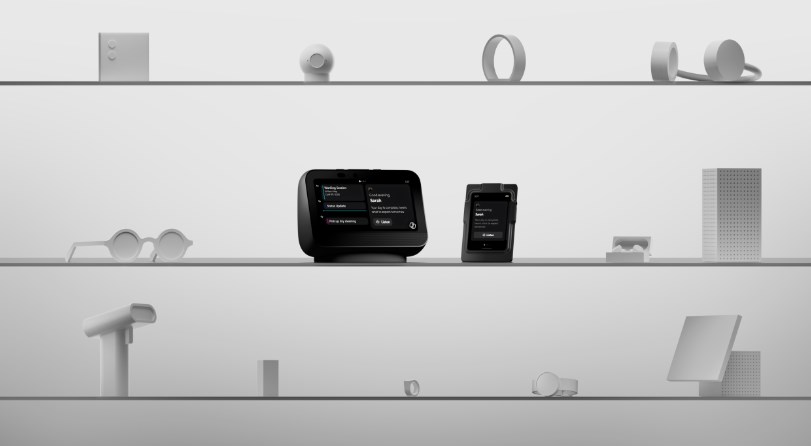
This could also appeal to manufacturers looking for differentiation in a saturated smartphone market. Instead of competing solely on hardware specifications, companies could offer AI-enhanced devices powered by Solara’s system intelligence.
User Experience: From Apps to Intent
One of the most transformative ideas behind Solara is the shift from app-based interaction to intent-based computing. In traditional mobile systems, users open individual apps to perform tasks—messaging, browsing, editing photos, or managing schedules. In an AI-first system like Solara, the OS itself becomes the orchestrator. Users express intent, and the system determines which tools or services are needed to fulfill it.
For instance:
- “Plan a weekend trip” could trigger calendar coordination, travel suggestions, weather analysis, and budget tracking.
- “Catch me up on today” might generate a summary of emails, messages, news, and reminders.
- “Fix my schedule” could reorganize meetings based on priority and availability.
This shift could dramatically reduce friction in digital interactions, making devices feel more intuitive and less fragmented.
Privacy, Control, and User Trust
With such deep integration of AI comes an equally important question: control. An operating system that predicts behavior and acts autonomously must be designed with strict privacy and transparency safeguards. Microsoft is expected to emphasize hybrid processing—combining on-device AI with cloud-based models while giving users clear control over data usage. Users would likely be able to review, approve, or modify AI actions, ensuring that automation does not override personal choice. This balance between intelligence and control will likely determine whether systems like Solara are embraced or resisted by users. Microsoft introduces Project Solara
The Road Ahead
Although Project Solara remains in the conceptual or early development phase, it reflects a broader industry direction: the transformation of operating systems into intelligent platforms rather than static environments. If successful, Solara could signal the beginning of a new era where mobile devices are no longer just tools we operate, but systems that actively collaborate with us.
For Microsoft, this is not just about entering the mobile OS space—it is about redefining what an operating system means in the age of artificial intelligence. Whether Solara becomes a commercial product or remains a research initiative, its vision highlights a future where computing is no longer about navigating software, but about communicating with intelligence itself. Microsoft introduces Project Solara
About the Author