Lexus halts plans of an electric car based on the stunning LF-ZC concept and it’s such a bummer
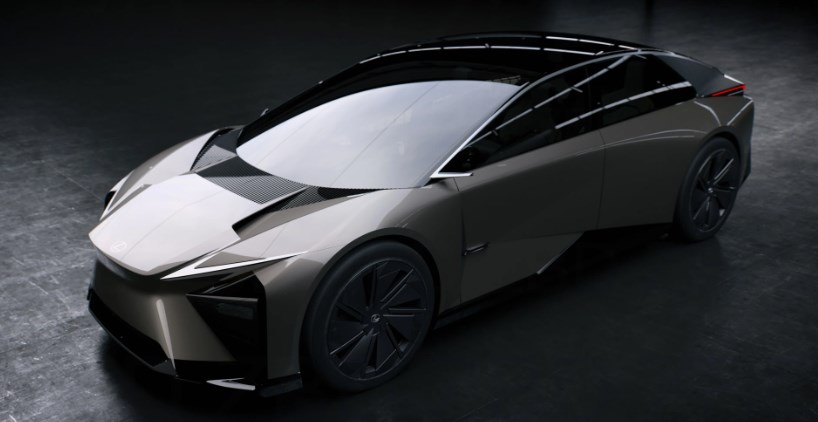
Lexus halts plans of an electric car based on the stunning LF-ZC concept and it’s such a bummer – For years, Lexus has been promising an exciting electric future. The luxury automaker unveiled stunning concepts, ambitious technology roadmaps, and bold visions of what the next generation of premium electric vehicles could look like. Among all those futuristic showcases, one concept stood above the rest: the breathtaking LF-ZC.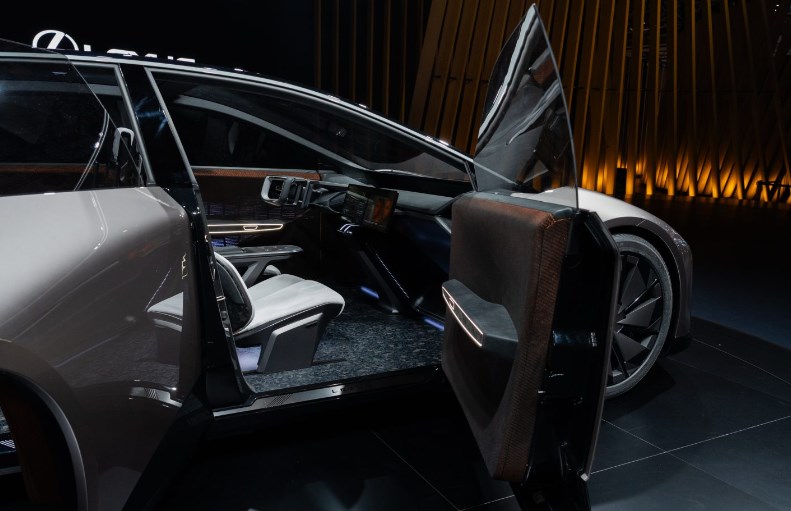
With its sleek proportions, ultra-modern cabin, and revolutionary technology promises, the LF-ZC wasn’t just another concept car. It represented what many believed would be Lexus’ defining moment in the electric vehicle era. It was a glimpse into a future where luxury, performance, and sustainability could coexist in a package that felt genuinely groundbreaking.
That’s why recent reports suggesting Lexus has halted plans for an electric production vehicle closely based on the LF-ZC concept feel like such a major letdown. For enthusiasts, industry observers, and loyal Lexus customers, it’s difficult not to see the decision as a missed opportunity.
A Concept That Captured Attention
When Lexus first revealed the LF-ZC, the reaction was overwhelmingly positive. The concept looked unlike anything else in the brand’s lineup. It was lower, wider, and more dramatic than current Lexus models. Sharp body lines flowed into an aerodynamic silhouette that appeared designed as much by artists as engineers. The LF-ZC wasn’t merely attractive—it felt futuristic without being unrealistic.
Inside, the vehicle pushed boundaries even further. Lexus envisioned a minimalist cabin packed with advanced digital interfaces, steer-by-wire technology, intelligent controls, and sustainable materials. The interior looked more like a luxury lounge from the future than a traditional automobile. Lexus halts plans of an electric car based on the stunning LF-ZC concept and it’s such a bummer
Most importantly, Lexus positioned the LF-ZC as a preview of a production vehicle expected to arrive before the end of the decade. That promise generated significant excitement because many consumers were waiting to see Lexus deliver an EV that could truly compete with premium electric offerings from rivals.
The Timing Feels Surprising
The decision to pause or halt LF-ZC-based production plans comes at a curious moment. While EV growth has slowed in some markets compared to the explosive expansion seen in recent years, the luxury electric segment remains highly competitive. Automakers around the world continue investing billions of dollars in next-generation platforms, batteries, and software ecosystems.
Brands such as BMW, Mercedes-Benz, and Porsche continue refining their electric portfolios. Meanwhile, newer players and technology-focused competitors are constantly raising consumer expectations. In this environment, many expected Lexus to accelerate development rather than slow it down. The LF-ZC seemed perfectly positioned to help the brand establish a stronger identity in the EV market. Instead, Lexus appears to be reassessing its strategy.
The Challenge Facing Luxury EV Makers
To be fair, Lexus is not alone in reconsidering certain electric vehicle plans. The automotive industry is navigating a period of uncertainty. Consumer demand for EVs remains significant, but growth patterns have become less predictable. Infrastructure development varies greatly by region. Battery costs continue fluctuating. Governments are adjusting incentives and regulations.
Luxury manufacturers face an additional challenge. Customers paying premium prices expect more than just electrification. They demand exceptional quality, long driving range, cutting-edge software, rapid charging capabilities, and distinctive design. Meeting all those expectations while maintaining profitability is incredibly difficult.
For Lexus, which has built its reputation on reliability, refinement, and customer satisfaction, releasing an EV that falls short of expectations could damage the brand more than delaying one. That reality may help explain the company’s cautious approach. Lexus halts plans of an electric car based on the stunning LF-ZC concept and it’s such a bummer
The LF-ZC Represented Something Bigger
What makes the reported cancellation or postponement especially disappointing is that the LF-ZC represented more than a single vehicle. It symbolized a transformation. For decades, Lexus has been associated with quiet luxury and dependable engineering. While those qualities remain valuable, the automotive landscape is changing rapidly. Consumers increasingly expect brands to demonstrate innovation and bold thinking.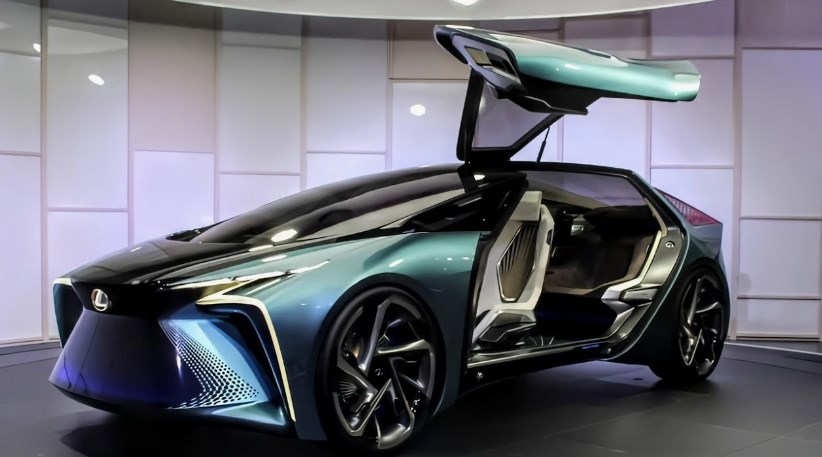
The LF-ZC suggested Lexus was prepared to embrace that challenge. Its futuristic styling showed confidence. Its technology ambitions demonstrated vision. Its advanced electric architecture indicated the company was willing to take risks. The concept felt like a statement that Lexus intended to become a leader rather than a follower in the EV era. Without a production version, that message becomes harder to communicate.
A Potential Shift in Priorities
Industry analysts believe automakers are increasingly focusing on flexibility. Rather than committing entirely to battery-electric vehicles, many manufacturers are pursuing a mix of technologies, including hybrids, plug-in hybrids, and EVs. This approach allows companies to adapt as consumer preferences evolve. Lexus already enjoys considerable success with hybrid vehicles.
In many markets, hybrid models account for a substantial portion of the brand’s sales. Given that success, it makes financial sense for Lexus to continue investing in technologies that customers are already embracing. However, practical business decisions do not always align with enthusiast expectations. Car enthusiasts rarely get excited about cautious strategies. They get excited about dream cars. The LF-ZC was undoubtedly a dream car.
What Happens Next?
The good news is that this may not be the end of the LF-ZC’s influence. Automakers frequently use concepts as testing grounds for future technologies and design themes. Even if the exact vehicle never reaches production, many of its ideas can survive. Future Lexus EVs could still inherit elements of the LF-ZC’s styling, interior design philosophy, software innovations, and battery technology. Lexus halts plans of an electric car based on the stunning LF-ZC concept and it’s such a bummer
In fact, some industry experts believe the company may simply be delaying or redesigning its approach rather than abandoning it entirely. If market conditions improve and technology advances further, Lexus could revisit many of the ideas showcased in the concept. For now, though, fans hoping to see a near-production LF-ZC rolling into showrooms will likely have to wait longer than expected.
Why Enthusiasts Are Feeling the Loss
Perhaps the biggest reason this news resonates so strongly is emotional. Concept cars inspire imagination. They allow people to picture what driving might look like five or ten years into the future. Most concepts never make it to production unchanged, but the LF-ZC felt different. It seemed achievable. It looked like a vehicle that could realistically reach dealerships while retaining much of its futuristic appeal. That possibility made people care.
The automotive industry is currently filled with practical discussions about battery chemistry, charging networks, supply chains, and regulations. While those topics matter, they rarely spark passion. The LF-ZC sparked passion. It reminded people that cars can still be exciting, beautiful, and visionary. That’s why news of its apparent cancellation or delay feels disappointing. It isn’t just about losing a vehicle. It’s about losing a symbol of what Lexus could become. Lexus halts plans of an electric car based on the stunning LF-ZC concept and it’s such a bummer
The Road Ahead
Lexus remains committed to electrification, and the company will undoubtedly continue developing electric vehicles in the coming years. The brand possesses the engineering expertise, financial resources, and global reputation necessary to compete in the evolving automotive landscape. Still, the LF-ZC represented something special. It was a bold glimpse into a future that felt innovative, elegant, and distinctly Lexus.
Whether the concept eventually inspires another production model or fades into automotive history, its impact is undeniable. It captured the imagination of car enthusiasts around the world and demonstrated the potential for Lexus to redefine itself in the electric age. For now, however, that future appears a little farther away than many had hoped—and that’s what makes the news such a bummer.
About the Author