Hilton Becerra lead California governor’s race. June 2 primary takeaways
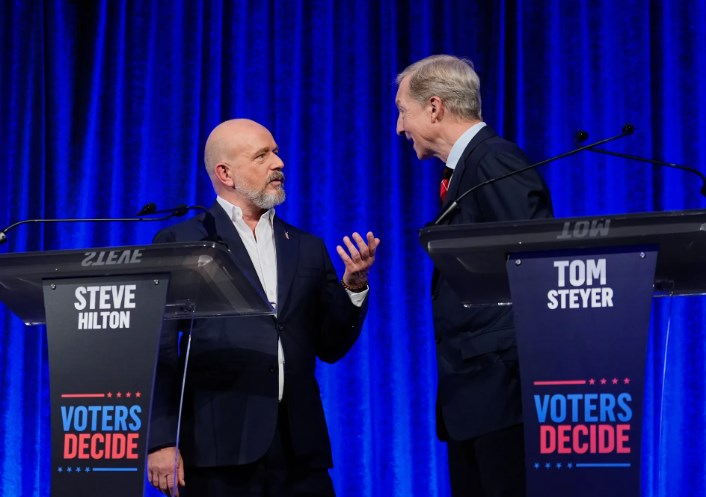
The race to replace outgoing Governor Gavin Newsom has been anything but predictable. Months of shifting polls, crowded candidate fields, and intense campaign spending created an atmosphere of uncertainty leading into election day. Yet as the first major results came in, Hilton and Becerra separated themselves from the rest of the pack, positioning themselves as the likely finalists in California’s unique “top-two” primary system.
A Tight Contest at the Top
Early returns showed Hilton holding a narrow lead over Becerra. Hilton captured roughly 27% to 28% of the vote, while Becerra followed closely with around 25% to 26%. Though the margin between them remained small, both candidates established a significant advantage over the rest of the field.
California’s primary rules differ from many other states. Instead of separate Democratic and Republican contests, all candidates compete in a single election. The two candidates receiving the most votes advance to the general election regardless of party affiliation. That means voters are likely headed toward a classic Democrat-versus-Republican battle this November.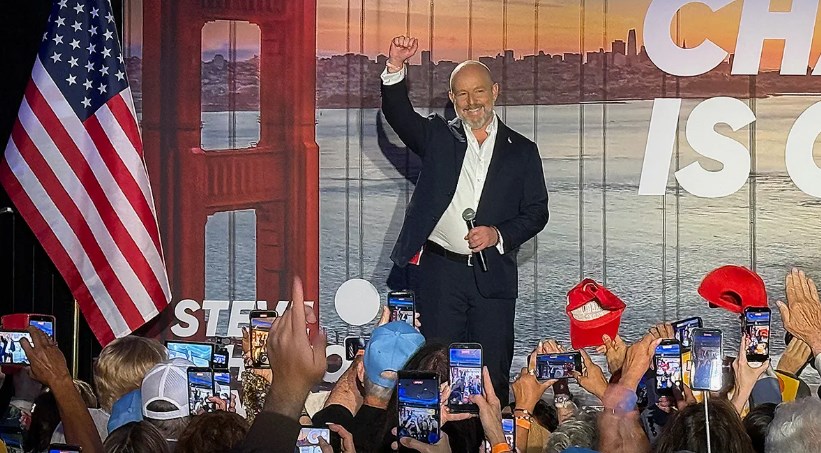
For political observers, the result represents a significant development. Earlier in the campaign, there were concerns that Democrats could split their votes among multiple candidates, potentially allowing two Republicans to advance. Others feared the opposite scenario, with Republicans shut out entirely. Instead, voters appear to have settled on one leading candidate from each major party.
Who Is Steve Hilton?
One of the biggest stories of the primary has been the rise of Steve Hilton. A former television commentator and political strategist, Hilton entered the race as a political outsider. Born in Britain and known for his conservative views, he built his campaign around the argument that California needs a dramatic change in direction. Hilton Becerra lead California governor’s race
Hilton focused heavily on issues such as homelessness, government regulation, housing costs, and public safety. He argued that decades of Democratic dominance in Sacramento have left many Californians frustrated with rising costs and declining quality of life. His message resonated with Republican voters and some independents seeking change.
A key factor in Hilton’s success was support from conservative voters who largely united behind his campaign. The endorsement he received from former President Donald Trump helped consolidate Republican support at a critical moment in the race.
Xavier Becerra’s Remarkable Comeback
If Hilton’s rise surprised many observers, Becerra’s comeback may have been even more remarkable. Just a few months ago, polls showed Becerra struggling to gain traction. The former California attorney general and former U.S. Health and Human Services secretary began the race with relatively low support. However, as the campaign progressed, he steadily climbed in the polls and eventually emerged as the leading Democrat.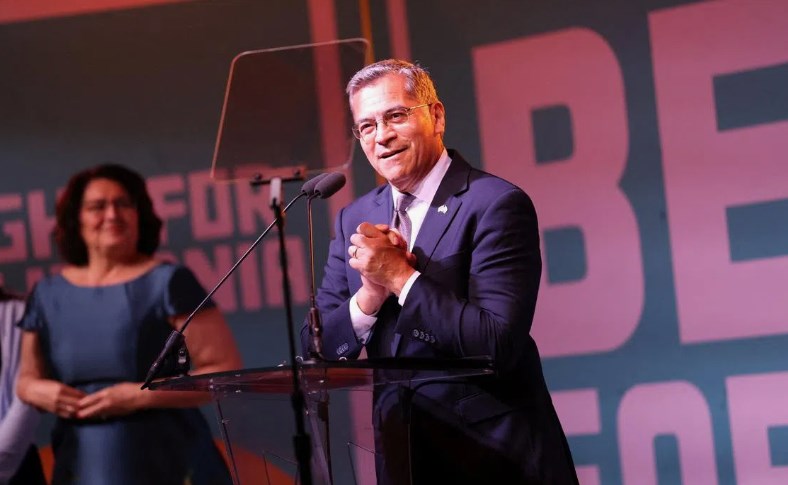
Becerra emphasized his extensive government experience and portrayed himself as a steady, capable leader who understands how government works. He also highlighted his personal story as the son of immigrants who rose through public service to hold some of the nation’s highest offices.
His campaign focused on protecting California’s progressive policies while addressing concerns about affordability, healthcare, housing, and economic opportunity. If elected, Becerra would become California’s first Latino governor, a milestone that carries significant historical importance in a state with a large Latino population.
Tom Steyer Falls Short
Another major takeaway from the primary was the performance of billionaire businessman and climate activist Tom Steyer.
Steyer entered the race with substantial financial resources and a strong statewide profile. He spent heavily on advertising and campaigned as a progressive reformer who could bring fresh ideas to Sacramento. Yet despite his investment, he consistently trailed Hilton and Becerra in the final weeks of the campaign.
Preliminary results placed Steyer in third place with roughly 20% of the vote, leaving him outside the top two positions needed to advance. While he remained competitive throughout the campaign, he ultimately could not overcome the momentum behind Hilton and Becerra.
The Issues Driving Voters
The election highlighted several concerns dominating California politics in 2026. Housing affordability remains one of the state’s biggest challenges. Many residents continue to struggle with high rents and home prices, particularly in major metropolitan areas. Candidates repeatedly debated how to increase housing supply and make living in California more affordable. Hilton Becerra lead California governor’s race
Homelessness also remained a central issue. Voters expressed frustration over visible encampments and questions about the effectiveness of existing programs. Hilton made this a cornerstone of his campaign, while Becerra argued for more comprehensive solutions that balance public safety with social services. Water management, climate resilience, and economic growth were also prominent topics. As one of the world’s largest economies, California faces enormous pressure to maintain growth while addressing environmental concerns and infrastructure needs.
What Happens Next?
Although Hilton currently holds a slight lead, the race is far from settled. California typically counts ballots for days or even weeks after election night, meaning the final margins could shift. However, barring a major surprise, both Hilton and Becerra appear poised to advance to the November general election.
The coming months are expected to feature a sharp contrast between two competing visions for California. Hilton will likely continue arguing that the state needs significant policy changes after years of Democratic control. Becerra, meanwhile, will emphasize experience, stability, and the defense of California’s progressive agenda.
With a $4 trillion economy, nearly 40 million residents, and national influence on issues ranging from climate policy to technology regulation, California’s governorship remains one of the most powerful political positions in America. The June 2 primary has now set the stage for a consequential November election that will determine who leads the state into its next chapter. Hilton Becerra lead California governor’s race
About the Author