Hantavirus-affected ship reaches shores of Tenerife
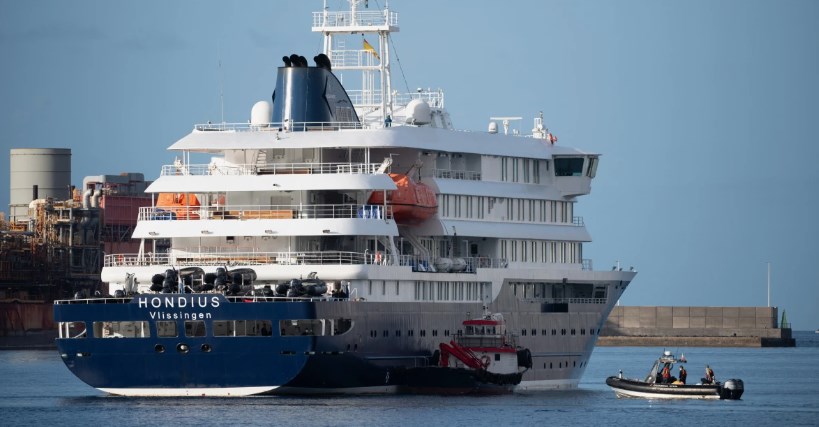
Hantavirus-affected ship reaches shores of Tenerife – The arrival of a cargo ship linked to a hantavirus scare has drawn attention and concern on the Spanish island of Tenerife, after authorities confirmed that precautionary health measures were activated upon the vessel’s arrival. While officials stressed that the risk to the public remains low, the incident has reignited conversations about rare infectious diseases and the strict protocols used to prevent outbreaks at sea.x
The ship, which had been traveling through international waters before docking in the Canary Islands, became the focus of health monitoring after reports emerged that a crew member was suspected of being infected with hantavirus — a potentially serious disease commonly associated with rodents. Spanish port and health authorities quickly coordinated efforts to assess the situation as the vessel approached Tenerife’s shores.
Although dramatic headlines surrounding virus scares on ships often trigger fears of widespread contagion, experts say the reality is usually far more controlled. In this case, local authorities moved swiftly to isolate the situation, evaluate the crew’s health, and ensure that all safety measures were in place before allowing further port operations. Hantavirus is not a disease that most people encounter regularly, but when cases appear, they tend to attract significant attention because of the severity of symptoms that can develop in infected individuals. The virus is primarily spread through contact with rodents or exposure to their urine, droppings, or saliva. In rare situations, humans can inhale contaminated particles in enclosed environments, which can lead to infection.
Unlike highly contagious respiratory viruses that spread rapidly from person to person, hantavirus transmission between humans is extremely uncommon. That distinction is important, health officials say, because it means the likelihood of a large-scale outbreak from a single ship remains very low. Still, maritime health emergencies are treated seriously, particularly when international travel and cargo operations are involved. Ports across Europe maintain detailed emergency procedures designed to respond quickly whenever a vessel reports illness on board before arrival.
According to local reports, the affected ship was monitored closely as it neared Tenerife. Medical personnel were prepared to assess the crew immediately after docking, while sanitation and inspection teams reviewed conditions on board. Authorities also coordinated with public health specialists to determine whether additional quarantine measures would be required. The incident placed Tenerife briefly at the center of international health attention. The island, part of Spain’s Canary Islands archipelago, is one of Europe’s busiest tourism destinations and receives millions of visitors every year. Any health-related event occurring at its ports naturally attracts scrutiny because of the potential impact on tourism, shipping, and local commerce.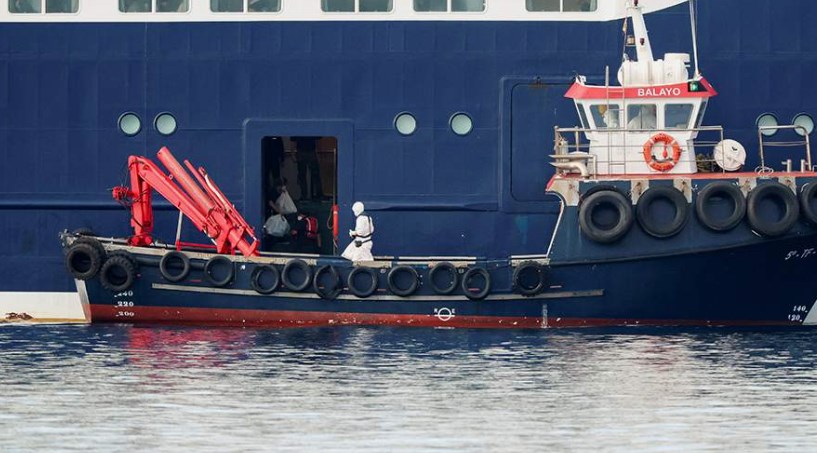
Despite the concern, officials emphasized that there was no indication of broader public danger. Initial assessments suggested that the situation was contained to the vessel itself, and preventive actions were implemented out of caution rather than panic. For many residents and travelers, the story also served as a reminder of how much global health monitoring has evolved in recent years. Since the COVID-19 pandemic, authorities around the world have become significantly more vigilant regarding illnesses detected during international travel. Ships, airplanes, and border crossings are now monitored with greater attention than ever before.
Maritime industries, in particular, have adopted stricter reporting systems for onboard illnesses. Captains and operators are generally required to notify port authorities if crew members show symptoms of potentially dangerous diseases before entering a harbor. That early-warning system allows medical teams to prepare in advance and minimize risks. In Tenerife, emergency response teams reportedly followed these established procedures carefully. Medical evaluations, sanitation checks, and communication with epidemiological experts formed part of the response strategy once the vessel arrived. Hantavirus-affected ship reaches shores of Tenerife
Hantavirus itself remains relatively rare in Europe compared to some regions of the Americas and Asia. Different strains of the virus exist worldwide, and symptoms can vary depending on the type involved. Some forms cause hemorrhagic fever with renal syndrome, while others may trigger hantavirus pulmonary syndrome, a severe respiratory illness that can become life-threatening if untreated. Early symptoms often resemble the flu, including fever, muscle aches, fatigue, and headaches. In more severe cases, breathing difficulties can develop rapidly, requiring urgent medical care. Because the disease can initially look similar to common viral infections, diagnosis sometimes becomes challenging without laboratory testing.
The connection between hantavirus and rodents is one reason why shipping environments are monitored carefully. Cargo vessels traveling long international routes may occasionally encounter rodent infestations if sanitation measures are not maintained properly. Ports worldwide enforce strict pest-control regulations to reduce those risks. Experts note that most ships operate safely and comply with international health standards. Cases involving suspected infectious diseases remain uncommon, but authorities prepare extensively for such scenarios because of the potential consequences if illnesses spread unchecked.
The Tenerife incident also highlights the delicate balance ports must maintain between caution and continuity. Major ports cannot simply shut down every time a health concern emerges, especially when global supply chains rely heavily on maritime transport. Instead, authorities use targeted containment strategies designed to isolate risks while allowing essential operations to continue safely. Hantavirus-affected ship reaches shores of Tenerife
For Tenerife’s tourism industry, reassuring visitors quickly was also an important priority. The Canary Islands depend heavily on international tourism, and local officials understand how sensitive travelers can be to health-related news. By emphasizing that the situation was under control and posed minimal public risk, authorities aimed to prevent unnecessary alarm. Public reaction online ranged from concern to confusion, with many people unfamiliar with hantavirus asking whether the disease could spread easily in crowded areas. Health experts repeatedly clarified that hantavirus differs significantly from airborne viruses like COVID-19 or influenza. Human-to-human transmission is extremely rare, meaning ordinary residents and tourists were unlikely to face direct danger from the ship’s arrival.
Even so, the event underscores how interconnected the modern world has become. A suspected illness aboard a vessel traveling across oceans can instantly become an international story, triggering responses from multiple agencies and attracting global attention within hours. It also demonstrates the importance of preparedness. From medical screening procedures to port sanitation rules, modern health systems rely on rapid coordination to manage uncertain situations effectively. In many ways, the calm and organized handling of incidents like this reflects lessons learned from past global health crises. Hantavirus-affected ship reaches shores of Tenerife
As investigations and monitoring continued following the ship’s arrival, authorities remained focused on protecting both the crew and the wider public. Medical experts continued evaluating the suspected case while port operations proceeded under heightened observation. For now, officials say there is little reason for panic. The response in Tenerife appears to have followed established safety procedures, and health authorities remain confident that the situation is being managed appropriately.
Still, the story has captured widespread attention because it combines several elements that naturally spark public curiosity — international travel, mysterious illnesses, and emergency response measures at sea. While the word “virus” often generates fear, experts stress that vigilance, transparency, and quick action are exactly what help prevent isolated incidents from becoming larger problems. In the end, the arrival of the hantavirus-affected ship in Tenerife may ultimately be remembered less as a public health threat and more as an example of how modern monitoring systems are designed to respond swiftly when unusual medical situations arise on the global stage. Hantavirus-affected ship reaches shores of Tenerife
About the Author