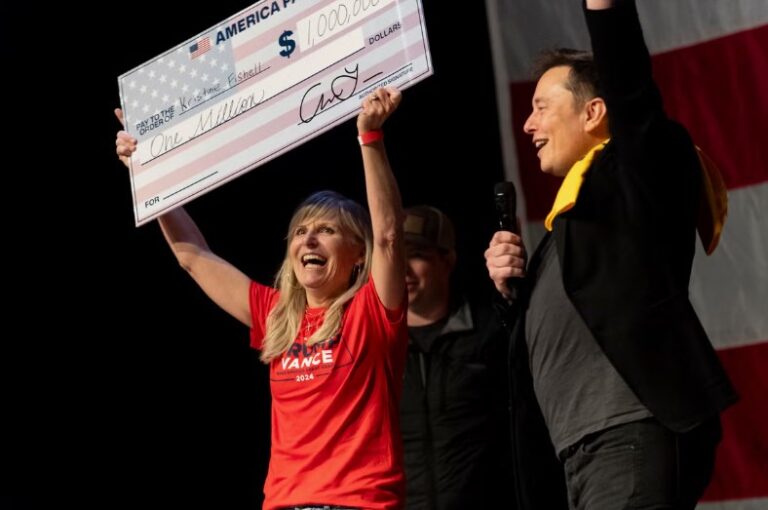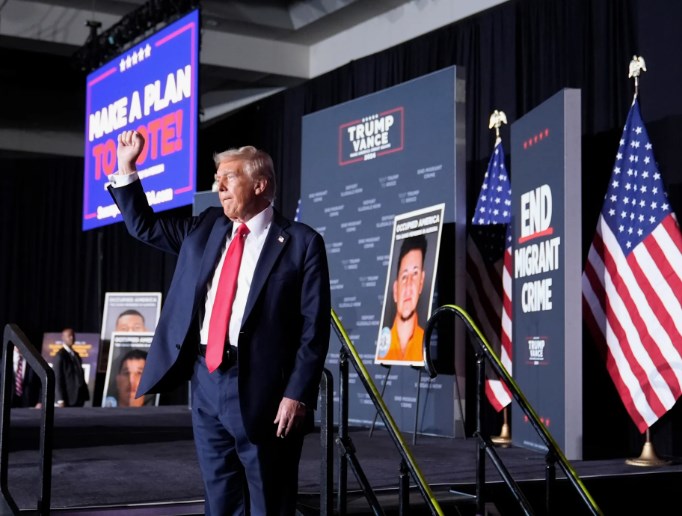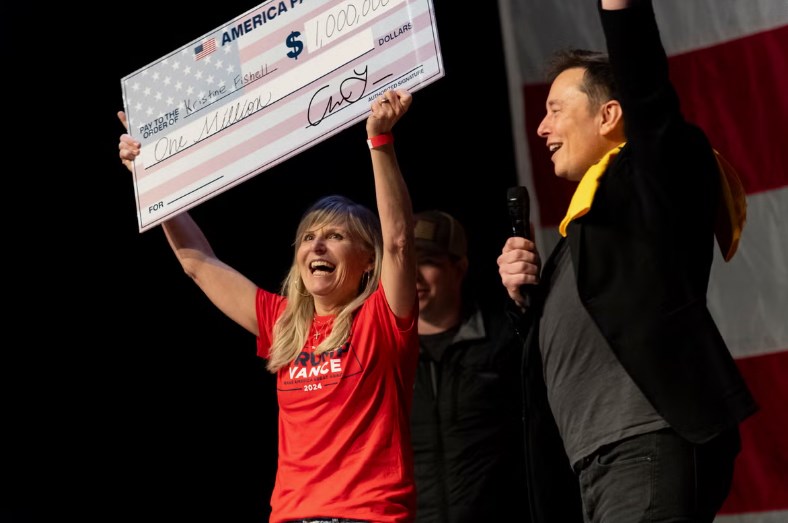
Elon Musk Is Almost Single-Handedly Funding the Republican Midterms Push – Elon Musk is once again putting his enormous fortune at the center of American politics. The billionaire entrepreneur, best known for leading Tesla and SpaceX, has emerged as the biggest known individual donor in the 2026 US midterm elections, directing hundreds of millions of dollars toward efforts to help Republicans maintain control of Congress.
His latest spending spree comes at a difficult moment for the Republican Party. President Donald Trump and Republican candidates are facing voter concerns about the cost of living, political divisions, and the administration’s performance. With the November 3 election approaching, Republicans need more than speeches and television appearances to convince voters to support their candidates. They also need a powerful ground operation, extensive advertising, and the money to compete in closely contested races. Musk appears determined to help provide all three.
According to recent campaign finance reports, Musk has spent approximately $366 million during the 2026 election cycle, including roughly $276 million since July. His contributions have helped finance Republican-aligned political groups, voter outreach operations, and efforts to influence key Senate contests. The scale of that investment is remarkable even by the standards of American political fundraising. It also raises an important question: how much influence can one extremely wealthy individual have over an election that will determine the balance of power in Washington?. Elon Musk Is Almost Single-Handedly Funding the Republican Midterms Push
Musk Becomes the Republican Party’s Financial Powerhouse
Musk’s political spending has become one of the defining financial stories of the 2026 midterm campaign. While political parties normally depend on a broad network of wealthy donors, corporate-aligned groups, grassroots supporters, and fundraising organizations, Musk has supplied an extraordinary amount of money to Republican causes through a relatively small number of major contributions. One of the most significant parts of his strategy involves America PAC, the political action committee aligned with Musk. The organization has spent heavily on voter outreach and other campaign activities designed to improve Republican turnout.
Federal filings show that America PAC spent approximately $76.7 million during the third quarter of 2026 alone. Of that amount, $35.8 million went toward its field operation, which involves contacting voters, knocking on doors, and encouraging likely Republican supporters to register and vote. These activities may not attract as much attention as a major campaign rally, but they can be extremely important in a close election. A voter who receives a reminder to vote early or learns where to cast a ballot may be more likely to participate. Campaigns therefore invest heavily in organizing volunteers, hiring canvassers, making phone calls, and distributing political materials.
Musk’s operation is particularly notable because it resembles the scale of an organization built for a presidential campaign rather than a typical midterm election effort. During the 2024 presidential election, America PAC played a substantial role in organizing voter outreach for Trump. The committee is now deploying a similar approach to support Republican candidates across competitive Senate and House races. The result is that Musk is not simply writing checks to support individual politicians. His financial contributions are helping build the infrastructure Republicans need to reach voters across multiple states.
That distinction makes his involvement especially significant. Money can purchase advertisements, but it can also create a nationwide operation capable of identifying supporters, contacting households, and encouraging people to participate on Election Day. Elon Musk Is Almost Single-Handedly Funding the Republican Midterms Push
A Massive Investment to Protect Republican Control of Congress
The stakes are high because the 2026 midterms will determine whether Republicans retain their majorities in the House of Representatives and the Senate. A party controlling Congress has considerable influence over legislation, government spending, investigations, and the president’s broader political agenda. Losing control of either chamber could complicate Trump’s ability to advance his priorities and create opportunities for Democrats to investigate the administration.
Musk has directed substantial resources toward Republican-aligned organizations working to prevent that outcome. Among his largest contributions was $158 million to the Senate Leadership Fund, a major super PAC that supports Republican Senate candidates. His spending has also been closely connected to efforts to support Republican candidates in Texas and other competitive states. Elon Musk Is Almost Single-Handedly Funding the Republican Midterms Push
A super PAC is a political organization that can raise and spend large amounts of money to support or oppose candidates independently of their campaigns, subject to applicable campaign finance laws. These groups often pay for television advertisements, digital campaigns, voter outreach, and other political activities. For Republicans, Musk’s contributions provide a substantial financial resource at a moment when Democratic candidates have been competitive in fundraising across several closely watched races.
The money does not guarantee victories, of course. Voters ultimately decide the outcome, and even an expensive campaign can struggle when candidates face unfavorable political conditions. However, substantial funding gives campaigns more opportunities to communicate their message, respond to attacks, and reach people who might otherwise pay little attention to the election.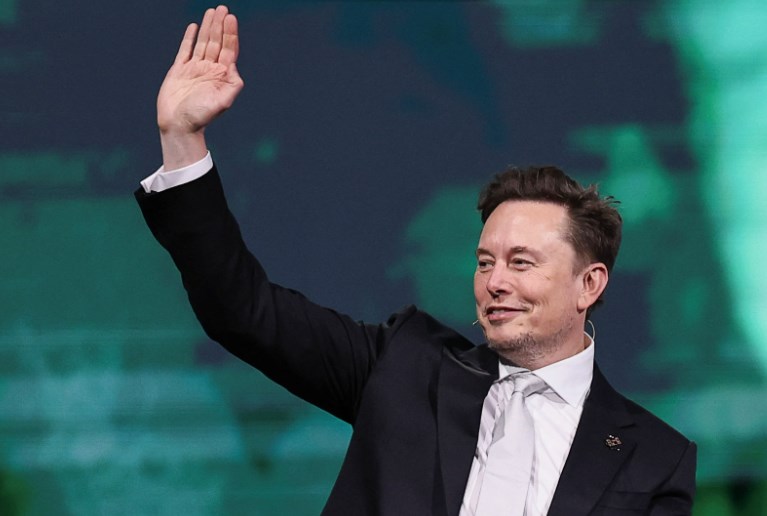
Musk’s investment also demonstrates how the modern campaign finance system allows individual billionaires to become major forces in elections without personally running for office. Rather than appearing on the ballot, he can use his wealth to influence which candidates receive support, which messages reach voters, and where campaign resources are concentrated. That influence is becoming increasingly difficult to ignore as the election approaches.
Texas Becomes a Major Focus of Musk’s Spending
One of the clearest examples of Musk’s political priorities can be seen in Texas, where Republicans are fighting to protect a Senate seat in a race that has attracted enormous national attention. Republican candidate Ken Paxton, Texas’s attorney general, is facing Democrat James Talarico. The contest has become a significant financial battleground, with outside political groups spending heavily to shape voters’ opinions of both candidates.
Musk has played a central role in the Republican financial response. Reporting indicates that his contributions helped support the creation and funding of Texas PAC, a political organization focused on assisting Paxton. His money has also helped Republican-aligned groups finance advertising aimed at weakening Talarico’s campaign.
The Texas race is particularly interesting because Musk has strong personal and business connections to the state. He lives in the Austin area, while Tesla and SpaceX have major operations there. Texas is also an important political stronghold for Republicans, making the possibility of a competitive Senate race especially consequential.
For Musk, however, the implications extend beyond one candidate. The Senate plays a central role in confirming presidential appointments, approving judges, and shaping legislation that can affect major industries. A change in Senate control could influence the regulatory and legislative environment surrounding technology, electric vehicles, artificial intelligence, and the aerospace sector. Musk’s companies operate in industries where federal decisions can have significant financial consequences.
That does not establish that any particular donation was made to secure a specific government decision. Nevertheless, the overlap between Musk’s business interests and political influence helps explain why his involvement attracts public scrutiny.
The Texas contest also illustrates how a wealthy donor can change the financial dynamics of an election. A campaign that struggles to compete with its opponent’s advertising budget may suddenly receive substantial support from outside groups. Whether that spending ultimately persuades voters remains uncertain. But it has made Musk one of the most important financial figures in the race.
Why Musk’s Political Return Matters
Musk’s renewed involvement in Republican politics is notable because he previously suggested that he would step back from major political spending. His relationship with Trump has also experienced periods of tension. Following their public disagreements in 2025, many observers questioned whether Musk would continue providing the same level of financial support to Republican candidates.
His latest contributions suggest that political disengagement was not a lasting decision. Musk has returned to the Republican fundraising effort at a moment when the party faces considerable challenges. Democrats are attempting to turn concerns about household expenses, the president’s approval ratings, and the administration’s policies into electoral gains. The Republican strategy, meanwhile, relies partly on ensuring that its supporters remain motivated enough to vote. America PAC’s extensive field operation is designed to help accomplish that goal by contacting voters and encouraging participation.
Musk’s involvement also reflects his unusual position in American public life. He is not a traditional political donor whose influence is limited to fundraising events and campaign checks. He owns influential businesses, commands an enormous social media audience through X, and has previously held a prominent advisory role in the Trump administration. That combination gives him several ways to shape public debate and participate in politics.
Supporters may argue that Musk is exercising his political rights and helping candidates who share his priorities. They may also believe that his money is necessary to prevent Democrats from gaining control of Congress. Critics see a different problem. They argue that the concentration of so much political spending in the hands of one billionaire gives an exceptionally wealthy individual disproportionate influence over decisions that affect millions of Americans. Both arguments point toward the same underlying reality: campaign finance has become an important part of the struggle for political power, and Musk’s fortune allows him to participate on a scale few people can match.
Can Money Actually Deliver Republican Victories?
Despite the extraordinary sums involved, Musk cannot simply purchase the outcome of an election. Campaign spending can help candidates reach voters, but it cannot automatically erase dissatisfaction with the economy, concerns about government policy, or doubts about a particular politician. Voters may also reject advertisements they consider misleading or decide that a candidate’s record matters more than the amount of money supporting the campaign.
The Democratic Party has remained competitive in several important races, and recent reporting indicates that Democratic candidates have outraised their Republican opponents in many closely contested Senate contests. At the same time, Republican-aligned outside groups have used substantial spending to maintain an advantage in advertising across several battlegrounds.
This creates a complicated political environment. Republicans may have access to vast financial resources, but Democrats can still benefit from strong candidates, effective messaging, voter enthusiasm, and dissatisfaction with the party in power.
There is also a difference between winning the battle for attention and winning the election itself. A campaign may dominate television advertisements and online messaging without convincing undecided voters. Similarly, an extensive canvassing operation may reach thousands of households without producing the turnout increase its organizers hoped to achieve.
For Musk and the Republican Party, the ultimate test will come when votes are counted on November 3. If Republicans retain control of Congress, Musk’s contributions may be celebrated by supporters as an important investment in the party’s success. If Democrats make significant gains, the results could demonstrate the limits of even the largest political spending operations. Either way, his financial involvement has already changed the scale of the 2026 midterm campaign.
Conclusion: One Billionaire, Hundreds of Millions of Dollars, and an Election With National Consequences
Elon Musk’s role in the 2026 midterms shows how dramatically personal wealth can influence American political campaigns. With approximately $366 million spent during the election cycle and a substantial portion directed toward Republican efforts, he has become a central financial force in the party’s attempt to maintain control of Congress.
His support extends beyond individual donations. Through America PAC and other Republican-aligned political organizations, Musk has helped fund voter outreach, advertising, and campaigns in some of the country’s most consequential Senate races. Texas has emerged as a particularly important focus, but the broader effort reflects a national strategy to mobilize Republican voters and protect the party’s congressional majorities.
Still, money is only one part of the political equation. Voters will ultimately decide whether the Republican message resonates with their concerns about the economy, government, and the country’s direction. Musk can finance campaigns, hire canvassers, and help political organizations reach millions of people. What he cannot do is guarantee that those people will agree with the candidates his money supports.
As Election Day approaches, his spending raises a larger question about the future of American democracy: how should a political system balance the right of wealthy citizens to support their preferred candidates with the public’s interest in fair representation?
The answer will not be determined by campaign finance reports alone. It will also emerge from the choices voters make at the ballot box—and from the political consequences of an election in which one billionaire has invested an extraordinary amount in determining which party controls Washington.
About the Author