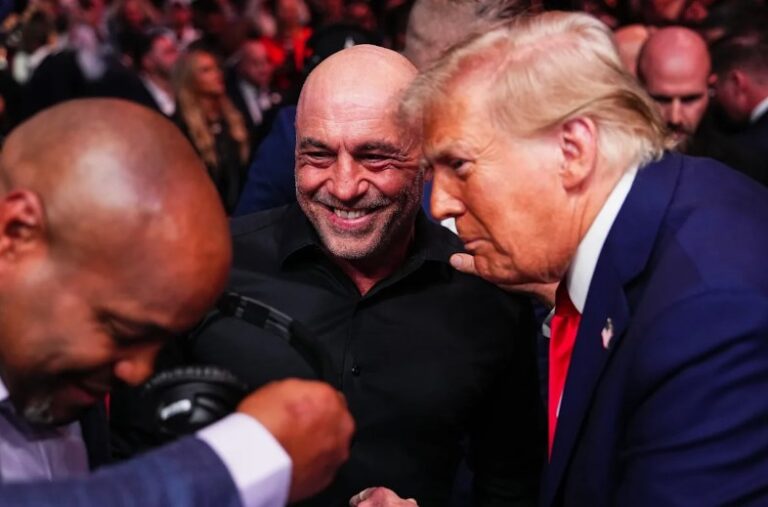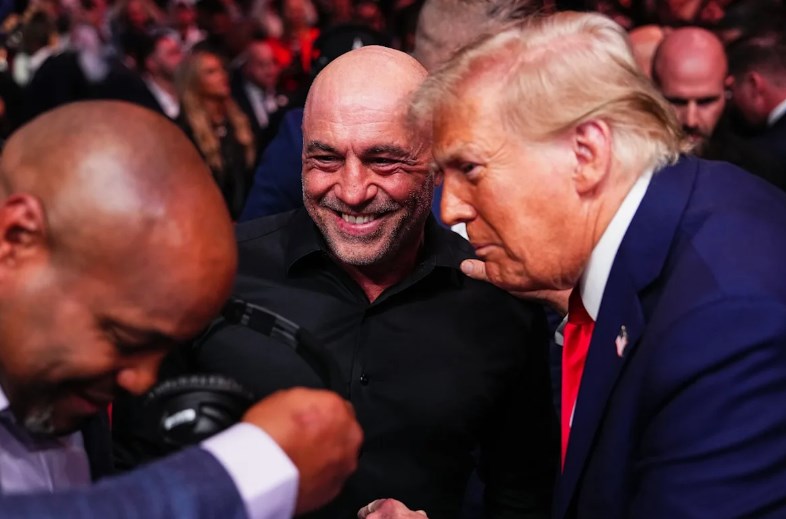
Joe Rogan thinks Trump supporters feel betrayed by Iran war – The remarks have attracted attention because Rogan has a substantial audience among Americans who are skeptical of mainstream political institutions and conventional media. His comments suggest that dissatisfaction with the war is not limited to Democrats or traditional critics of Trump. Some people who supported the president because they wanted a different approach to foreign policy may also be questioning his decisions.
The Promise of “No More Wars” Comes Under Pressure
Trump’s appeal to many voters was built partly on the idea that the United States should stop getting involved in expensive foreign conflicts. For years, he criticized American leaders for sending troops overseas, spending enormous sums on military operations, and leaving the country with problems that seemed to have no clear solution.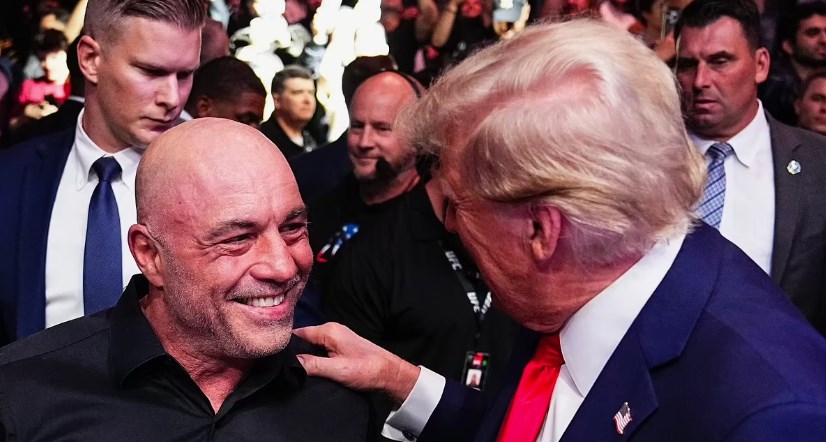
That message resonated with voters who believed Washington had spent too much time dealing with overseas conflicts while ordinary Americans struggled with living costs, employment concerns, and domestic problems. For these supporters, Trump’s promise of a different foreign policy was more than campaign rhetoric. It was one of the reasons they believed he could bring meaningful change.
Rogan’s criticism centers on the apparent contradiction between that promise and the decision to go to war with Iran. During his March 2026 discussion with journalist Michael Shellenberger, Rogan questioned why the United States had entered the conflict and whether the administration had clearly explained its objectives. He argued that people could feel betrayed when a president elected on an anti-war message launches another major military operation.
The concern is straightforward: military action can begin with a limited objective but become much harder to control. Once a conflict expands, leaders must consider casualties, retaliation, regional instability, and the possibility of further escalation. For voters who expected Trump to avoid precisely these situations, the Iran war represents a serious test of his political promises.
Michael Douglas Joins the Conversation
Rogan revisited the issue during an October 14, 2026, episode of The Joe Rogan Experience featuring actor Michael Douglas. Their discussion focused on the war’s direction and the difficulty of finding a clear way to end it. Rogan expressed strong opposition to the conflict, saying it did not make sense to him and appeared to be getting out of control. Douglas also questioned the decision, agreeing with Rogan’s assessment that the United States had entered a dangerous situation without an easy exit. Joe Rogan thinks Trump supporters feel betrayed by Iran war
The conversation matters because it brings together two public figures who approach politics from different backgrounds. Douglas is known primarily for his acting career and has expressed Democratic political views, while Rogan’s audience includes many people drawn to his skepticism of established political narratives. Their shared concern demonstrates how opposition to the war can cross traditional party lines. However, their agreement does not prove that every Trump voter opposes the conflict. Some supporters may believe military action is necessary to address national security threats or prevent Iran from developing nuclear weapons. Others may oppose the war but continue supporting Trump on immigration, economic policy, or other issues.
The broader question is whether the administration can explain its objectives clearly enough to maintain public confidence. Without a convincing explanation of what success looks like and how the conflict will end, even voters who initially supported military action may become increasingly uncomfortable.
Could the Iran War Create Political Problems for Republicans?
The timing of Rogan’s criticism is particularly significant because the United States is approaching the November 2026 midterm elections. Republican candidates must defend their party’s record while addressing concerns about the economy, national security, and the administration’s priorities.
Recent reporting suggests that some Republican candidates are already trying to create distance from Trump on controversial issues, including the Iran war. Others continue to support him while attempting to appeal to voters who are less enthusiastic about his decisions. Joe Rogan thinks Trump supporters feel betrayed by Iran war
If anti-war voters become dissatisfied, Republicans could face difficulties in competitive races. That does not mean they will automatically switch parties. Some may stay home, support an alternative candidate, or continue voting Republican despite their objections to the conflict.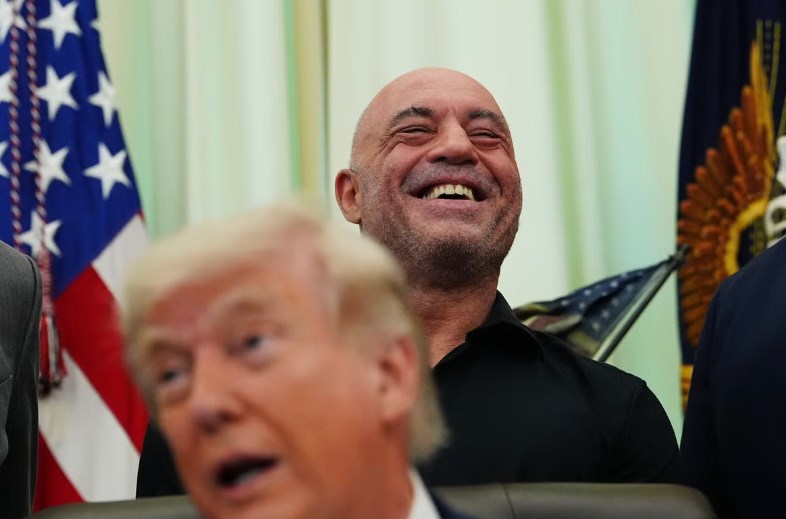
For the White House, the challenge is balancing national security arguments with the expectations of voters who supported a less interventionist foreign policy. Officials have defended military action as necessary to protect American interests and prevent Iran from obtaining nuclear weapons. Critics, however, question whether the objectives justify the risks and costs of a prolonged conflict. Ultimately, the political consequences will depend on how the war develops, its impact on American service members and taxpayers, and whether voters believe the administration has a credible plan for bringing it to an end.
Final Thoughts: A Test of Trust Between Trump and His Supporters
Joe Rogan’s criticism highlights a difficult question for Donald Trump: what happens when a president’s actions conflict with the promises that helped him win support? For voters who wanted fewer foreign wars, the Iran conflict has created a clear reason to reconsider whether the administration is following the approach they expected.
The issue is not simply whether people agree with Trump’s broader political agenda. It is whether they believe his decisions reflect the priorities he presented during his campaign. Once that trust begins to weaken, explanations and reassurances may not be enough to satisfy every disappointed supporter.
Rogan’s comments should not be treated as proof that Trump’s entire voter base has turned against him. They do, however, illustrate how criticism of the war can emerge from within the broader political and media environment that helped Trump reach voters.
The bottom line: The Iran war could become a defining challenge for Trump’s relationship with his anti-war supporters. If the conflict continues without clearly communicated objectives or a convincing path toward resolution, dissatisfaction may deepen. For voters who believed they were choosing a president committed to avoiding another Middle Eastern war, that possibility raises serious questions about political promises, national priorities, and the cost of military intervention. Joe Rogan thinks Trump supporters feel betrayed by Iran war
About the Author