‘Double-edged sword’: Trump blitzes red states amid plunging popularity
‘Double-edged sword’: Trump blitzes red states amid plunging popularity – President Donald Trump is once again taking his political show on the road, but this time the backdrop is more complicated than the familiar cheering crowds and reliably Republican territory. As his popularity slides, Trump has increasingly turned toward red states, where his political brand remains powerful but where voters are not necessarily immune to the frustrations affecting Americans across the country.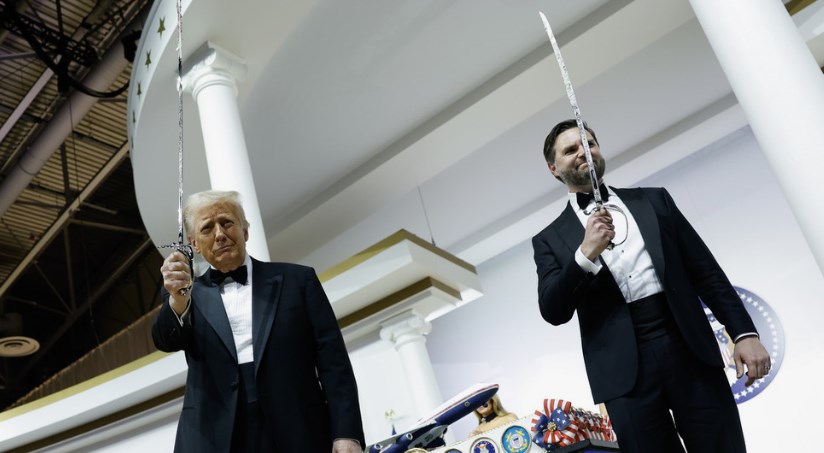
The strategy makes sense on the surface. Republican states have long provided Trump with some of his strongest electoral support, and appearances in conservative communities can reinforce his standing with the party’s core voters. But the same strategy carries a risk. If Trump spends too much time campaigning in places where Republicans already dominate, he could end up preaching to the converted while doing little to address the broader concerns that are driving his approval numbers downward. That is why the president’s latest blitz is being described by political observers as something of a double-edged sword.
Trump Returns to Friendly Political Ground
Trump has never been shy about returning to places where he knows the crowd will be on his side. Red states offer him a familiar political environment: conservative voters, Republican officials, enthusiastic supporters and an audience generally receptive to his arguments about immigration, the economy, national security and the cultural battles that have defined his political career. Double-edged sword
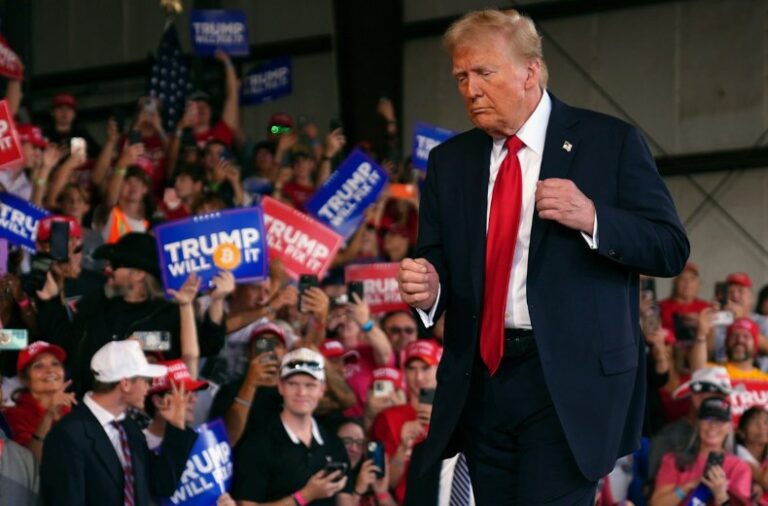
Those events also provide Trump with something he values enormously—energy. The former president has built much of his political identity around large rallies and direct contact with supporters. Even after returning to the White House, he has continued to use rallies, public appearances and campaign-style events as a way of communicating directly with voters. But the political circumstances surrounding those appearances have changed.
Trump is no longer the outsider challenging an unpopular establishment. He is the president responsible for governing. That distinction matters when voters are asked whether they approve of the direction of the country. When economic frustrations rise, government policies become controversial or Americans grow tired of political conflict, the president inevitably becomes the person voters hold responsible. Trump can still point toward Democrats, the media, international competitors and previous administrations, but governing eventually forces accountability back toward the Oval Office. That creates a difficult political calculation: rallying the base is easy compared with convincing skeptical voters that the administration is delivering results.
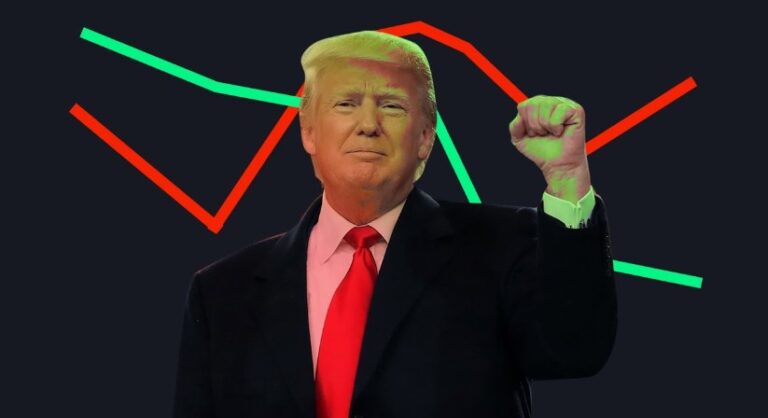
Falling Approval Creates a New Problem
Trump’s declining popularity is particularly significant because his political strength has historically depended on enthusiasm. His supporters do not simply vote for him; many see him as a political movement. That enthusiasm can be enormously valuable. It can produce high turnout, energize volunteers and encourage Republicans to remain engaged between elections. But enthusiasm among loyal supporters cannot completely compensate for weakness among independents and less committed voters.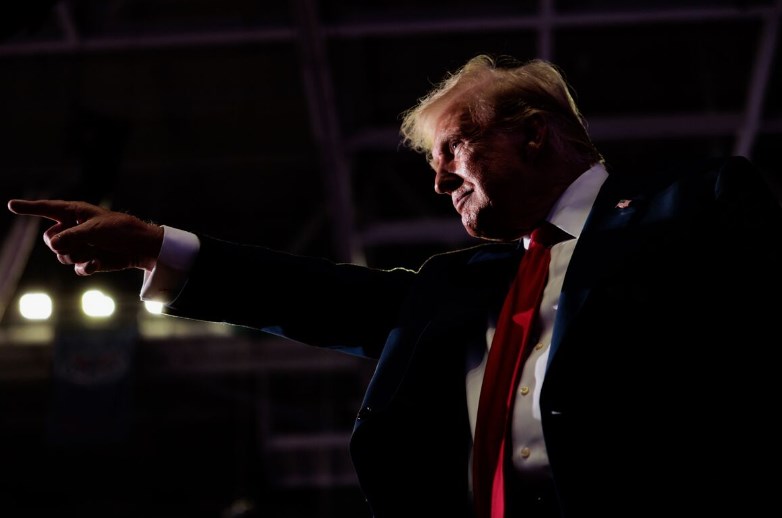
Presidents need more than a passionate base to maintain broad political support. For Trump, the challenge is especially visible when his approval rating falls because it can create anxiety within the Republican Party. Members of Congress may remain publicly loyal, but lawmakers also pay close attention to their own electoral survival.
A Republican representing a heavily conservative district may have little reason to challenge Trump. A Republican representing a competitive state or district faces a different calculation. That distinction could become increasingly important as the political calendar moves forward. The president therefore has to balance two objectives at once: keep his core supporters excited while also reassuring voters who supported him but may now be disappointed.
Why Red States Can Be Both Safe and Dangerous
The appeal of red states is obvious. Trump can usually expect large crowds, favorable local political leaders and a supportive media environment. These events allow him to reinforce his message without spending enormous political capital defending every policy decision. Yet there is a hidden danger. If Trump repeatedly travels to states where his Republican support is already overwhelming, his appearances may have limited value as persuasion exercises. Instead of expanding his coalition, he may simply be reinforcing it.
That matters when the administration is dealing with declining approval. Imagine a company whose most loyal customers remain satisfied while a growing number of occasional customers begin leaving. The obvious response would be to understand why those customers are leaving. Trump’s political challenge is similar. His strongest supporters already know what they think about him.
The voters who matter most are often those who are less certain. They may agree with Trump’s immigration policies but dislike his economic approach. They may approve of his efforts to challenge Washington but worry about political instability. They may have voted Republican previously but remain undecided about what comes next. Those voters are harder to reach at a rally filled with committed Trump supporters. Double-edged sword
The Economy Could Decide Everything
For all the political drama surrounding Trump, the economy remains one of the most important factors shaping public opinion. Voters tend to care about practical issues: grocery bills, housing costs, wages, employment, interest rates and the overall sense of whether their financial situation is improving. Political messaging can dominate the news cycle for a few days, but household budgets are much harder to distract from.
If Americans feel financially squeezed, the president will eventually face questions about why his policies have not produced the improvements voters expected. Trump has repeatedly presented himself as a businessman capable of delivering stronger economic growth. That promise creates both an advantage and a vulnerability.
If the economy performs well, he can claim credit. If economic conditions deteriorate, voters can reasonably ask why his promises have not been fulfilled. That is why the administration’s political messaging increasingly has to connect with everyday economic concerns rather than relying solely on the cultural issues that have energized Trump’s base for years.
Trump’s Political Machine Still Has Real Power
It would be a mistake, however, to interpret falling approval numbers as evidence that Trump has suddenly lost control of the Republican Party. His influence remains substantial. Republican voters continue to respond strongly to Trump’s political style, particularly his willingness to confront opponents and challenge institutions he believes are working against him. His ability to dominate political conversations also remains one of his greatest strengths.
Few politicians can generate the same level of attention with a single speech, social media post or controversial statement. That gives Trump an unusual advantage. Even when his popularity falls, he can often change the subject quickly. A new announcement, political attack or rally can dominate the national conversation within hours. But attention is not the same thing as approval.
The president can remain the center of American politics while simultaneously struggling to convince enough voters that his administration is moving the country in the right direction. That distinction could become increasingly important. Double-edged sword
The Double-Edged Sword of Loyalty
Trump’s decision to blitz red states ultimately illustrates the complicated nature of modern Republican politics. His political base remains his greatest asset. It provides energy, loyalty and a reliable foundation for the Republican coalition. At the same time, that loyalty can become a political trap if it encourages the administration to focus too heavily on people who are already convinced.
A rally packed with supporters looks impressive. It produces powerful television images and reinforces Trump’s perception of strength. But elections are not decided by crowd size. They are decided by votes. And the voters who determine close elections are often those who are not standing in the front row at a Trump rally. For that reason, Trump’s red-state strategy could help him stabilize his political standing—or expose the limits of his current coalition.
The president can use these appearances to demonstrate that his movement remains alive and energized. But he must also use them as opportunities to listen, not simply speak. If voters are increasingly worried about prices, jobs, government spending or the direction of the country, repeating familiar political slogans may not be enough. Trump’s greatest political strength has always been his ability to understand what his supporters are feeling and turn those emotions into political energy. His greatest challenge now may be understanding what voters who are drifting away are feeling.
That is the real double-edged sword behind his red-state blitz. Trump can return to friendly territory and remind America why his movement remains powerful. But every appearance also raises a harder question: Is he building a broader coalition, or simply holding on to the one he already has?. As his popularity faces new pressure, the answer could determine whether Trump’s next political chapter becomes another comeback story—or a warning that even the strongest political base has its limits. Double-edged sword
About the Author