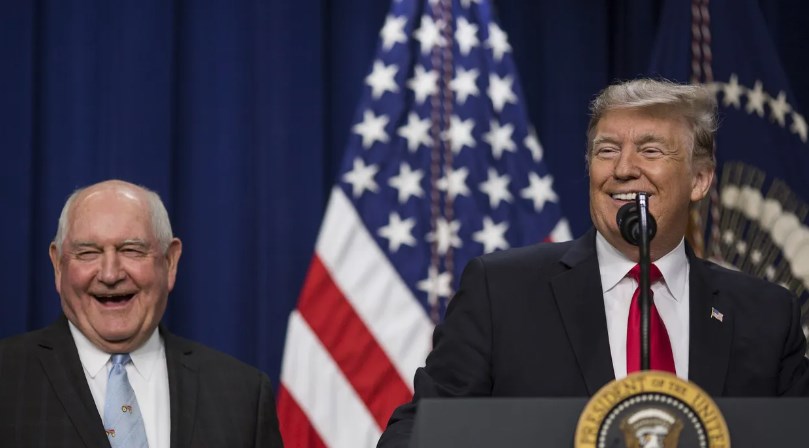
Trump administration moves to cut food stamps for 6.3 million people – Millions of Americans could soon face another financial challenge as the Trump administration moves forward with a proposal that could remove approximately 6.3 million people from the federal food assistance program. The plan, announced by the U.S. Department of Agriculture (USDA), would make it harder for certain low-income households to qualify for Supplemental Nutrition Assistance Program (SNAP) benefits, commonly known as food stamps.
The proposed changes represent another major development in President Donald Trump’s efforts to reshape federal assistance programs. While the administration argues that the move would prevent people with incomes or assets above federal limits from receiving benefits, critics warn that millions of working families, children, older Americans, and people with disabilities could lose essential support.
The announcement comes at a particularly difficult time for households already dealing with higher grocery prices and increasing living expenses. SNAP provides financial assistance to people who struggle to afford food, helping them purchase groceries through electronic benefit transfer cards. For many families, losing this assistance could mean making difficult decisions about which essential expenses to prioritize. Although the proposal has not yet become final policy, its potential impact is already generating significant concern among anti-hunger organizations, state officials, and lawmakers.
What the Trump Administration Is Proposing
At the center of the administration’s plan is a change to a policy known as broad-based categorical eligibility (BBCE). This provision allows states to use certain existing public assistance programs to help determine whether households qualify for SNAP benefits. Under current rules, states have some flexibility to expand SNAP eligibility for families receiving assistance through programs such as Temporary Assistance for Needy Families (TANF). This flexibility can help households qualify even when their income or assets exceed the standard federal SNAP limits.
The Trump administration wants to significantly restrict that flexibility. Officials argue that the existing system allows some households with incomes or resources above federal eligibility limits to receive food assistance. The USDA says the proposed changes would make eligibility requirements more consistent across states and ensure that benefits reach households considered most in need.
However, the department’s own estimates indicate that the consequences could be substantial. Approximately 6.3 million people could lose SNAP eligibility by fiscal year 2029 if the proposal is finalized and fully implemented. That represents nearly one in five current SNAP participants. The administration estimates that the change could reduce federal SNAP spending by approximately $44.6 billion over five years, while also reducing certain state expenditures. The proposal is now subject to public review, giving interested individuals and organizations an opportunity to submit comments before the government makes a final decision.
Millions of Families Could Lose Important Food Assistance
The potential loss of SNAP benefits is especially concerning because many recipients depend on the program to cover basic grocery expenses.SNAP serves low-income households across the United States, including families with children, elderly individuals, people with disabilities, and workers whose earnings are not enough to cover their monthly expenses. For some families, food assistance helps bridge the gap between receiving a paycheck and paying for necessities such as rent, electricity, transportation, and medical expenses.
Removing millions of people from the program could place additional pressure on household budgets. Families might have to reduce grocery purchases, choose cheaper food options, or depend more heavily on relatives and charitable organizations. The proposal could also affect people who are employed but still struggle financially. Having a job does not necessarily mean someone earns enough to comfortably afford housing, transportation, childcare, and food.
Critics argue that the administration’s approach overlooks these economic realities. A household may earn slightly more than the federal income threshold but still have very little money available after paying essential bills. The Center on Budget and Policy Priorities has warned that the proposal could particularly affect working families with children, older adults, and people with disabilities. The organization argues that eliminating state flexibility could make it harder for households to maintain food assistance even when they continue facing financial difficulties. Trump administration moves to cut food stamps for 6.3 million people
Children Could Also Feel the Impact
One of the most significant concerns involves the potential consequences for American children. According to USDA estimates, approximately 1.78 million children could lose automatic eligibility for free school meals if the proposed SNAP changes take effect. This does not necessarily mean all those children would lose access to school lunches. The department estimates that nearly all would remain eligible for free or reduced-price meals through separate income-based applications.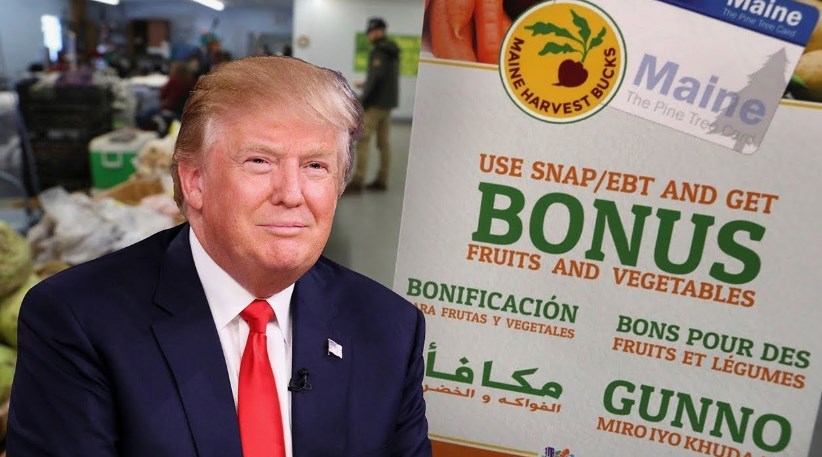
Nevertheless, the proposed changes could create additional paperwork for families and school administrators.For parents already managing demanding work schedules and financial responsibilities, completing additional applications and providing income documentation can become another obstacle. The consequences could extend beyond school meals. SNAP participation can also help households qualify for other nutrition assistance programs, including certain benefits under the Special Supplemental Nutrition Program for Women, Infants, and Children (WIC).
The USDA estimates that thousands of additional people could face changes in their eligibility for these related programs. Anti-hunger advocates warn that even when alternative assistance remains available, complicated application processes can prevent eligible families from receiving the help they need.
Administration Defends the Plan as a Way to Reduce Spending
The Trump administration maintains that the proposed changes are necessary to improve the SNAP program and prevent benefits from reaching households that exceed federal eligibility standards. USDA officials argue that broad-based categorical eligibility has allowed states to expand participation beyond what Congress originally intended. They also claim that restricting the policy could improve oversight, reduce administrative problems, and make the program more financially responsible.
Supporters of tighter eligibility rules believe public assistance should be concentrated on people facing the greatest financial difficulties. From this perspective, standardizing eligibility requirements could help prevent households with greater financial resources from receiving benefits intended for poorer Americans. However, opponents question whether the proposal accurately identifies households that do not genuinely need assistance.
They argue that income alone does not provide a complete picture of a family’s financial situation. A household earning slightly above the federal threshold may still struggle with expensive housing, childcare costs, medical bills, and other unavoidable expenses. The disagreement highlights a broader debate over the future of America’s social safety net: whether federal assistance should become more restrictive or provide greater flexibility to account for different household circumstances.
SNAP Has Already Experienced Major Reductions
The latest proposal comes after significant changes to SNAP under Trump’s 2025 tax and spending legislation. Since the legislation was signed, approximately 5.5 million fewer people have been receiving food assistance, according to figures cited in recent reporting and policy analysis. SNAP enrollment declined from approximately 42 million participants in May 2025 to around 36 million by the middle of 2026.
The earlier legislation also expanded work requirements, requiring additional groups of recipients to meet employment, training, or other qualifying activity standards to maintain eligibility. These changes have created additional challenges for state agencies responsible for administering the program. Some advocates say people who qualify for assistance are losing benefits because of missed deadlines, complicated paperwork, documentation problems, and difficulties navigating new requirements.
The proposed eligibility restrictions could add another layer of complexity to a system that is already experiencing significant changes. Food banks and charitable organizations may also face additional pressure if more households lose access to government assistance. Although these organizations provide important support, advocates emphasize that they cannot replace a federal program operating on SNAP’s scale. Trump administration moves to cut food stamps for 6.3 million people
What Happens Next?
The administration’s proposal is not yet a finalized regulation. The USDA is seeking public comments before deciding whether to move forward with the changes. If approved, the new restrictions would take time to implement, with the full impact expected around fiscal year 2029. During this period, policymakers, advocacy organizations, state governments, and affected households will have opportunities to respond to the proposal. Trump administration moves to cut food stamps for 6.3 million people
The debate is likely to focus on whether the existing eligibility system needs stricter federal limits or whether states should retain the flexibility to account for the financial realities facing low-income residents. For millions of Americans, the outcome could have a direct effect on their ability to afford groceries. Ultimately, the proposed SNAP changes represent more than another adjustment to federal spending. They raise important questions about food security, economic inequality, and the government’s responsibility to support vulnerable households.
The Trump administration says its goal is to make food assistance more targeted and financially responsible. Critics, however, fear that the plan could leave millions of Americans struggling to put meals on the table. Until a final decision is made, millions of households will be watching closely to see whether the assistance they rely on remains available in the years ahead.
About the Author