Apple might be getting rid of the iPhone’s Action button already – Apple has spent the last few years changing the way people interact with their iPhones. From removing the traditional Home button to replacing the familiar Ring/Silent switch with a customizable Action button, the company has repeatedly shown that it is willing to rethink even the smallest details of its smartphones. However, a new rumor suggests that another physical control could soon disappear.
According to a recent leak, Apple may be preparing to remove the dedicated Action button from future iPhone models, potentially starting with devices arriving in the second half of 2027. Instead of keeping the button as a separate control, the company reportedly plans to combine its functionality with the existing Camera Control button.
At first glance, this might sound like a relatively minor design adjustment. After all, users would supposedly retain access to the same shortcuts. But the Action button has become a useful feature for people who enjoy customizing their iPhones, making its possible removal an interesting development. The bigger question is whether Apple is genuinely trying to simplify its hardware or preparing a more significant redesign for the iPhone’s 20th anniversary. If the rumor turns out to be accurate, the next generation of iPhones could look and feel noticeably different. Apple might be getting rid of the iPhone’s Action button already
The Action Button Could Soon Become History
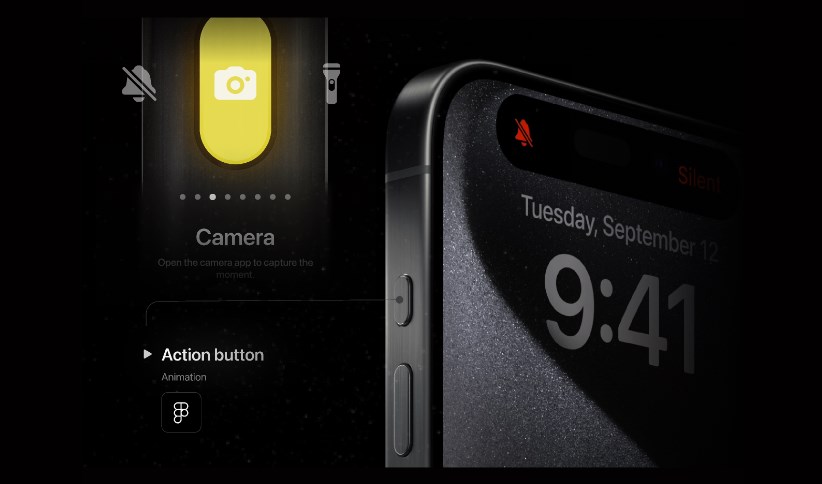
The Action button first appeared on the iPhone 15 Pro and iPhone 15 Pro Max in 2023. It replaced Apple’s traditional Ring/Silent switch, which had remained a familiar part of the iPhone experience for many years. Rather than serving only one purpose, the new button gave users the freedom to assign different functions depending on their preferences. It could activate Silent mode, turn on the flashlight, launch the camera, enable a Focus mode, open Voice Memos, or trigger a customized Shortcut.
This flexibility made the Action button particularly appealing to people who wanted quicker access to frequently used features. Instead of navigating through several menus, users could simply press and hold the button to perform a chosen task. Apple eventually expanded the feature across its broader iPhone lineup, making it an important part of the company’s modern hardware design. However, it now appears that the company may already be considering a different approach.
According to Chinese leaker Instant Digital, Apple intends to phase out the dedicated Action button from new iPhone models launching in the second half of 2027. The information reportedly comes from a post on Weibo, and the proposed change would combine the Action button’s functionality with Camera Control.
Camera Control Could Take Over Its Responsibilities
If the report is accurate, Apple will not completely eliminate the features currently associated with the Action button. Instead, the company reportedly plans to move those functions to the Camera Control button. The suggested arrangement is relatively straightforward. A single press would continue opening the Camera app, while pressing and holding the button would activate whichever function the user has assigned to the Action button.
This would allow Apple to remove one physical control without necessarily taking away the customization options that users have come to appreciate. Someone who regularly uses the flashlight shortcut, for example, could potentially continue accessing it through a long press of Camera Control. The idea makes some sense because both buttons already rely on physical interaction to perform specific tasks. Combining them could also help Apple create a cleaner-looking smartphone frame without sacrificing too much functionality.
However, there is one potential complication. Camera Control already handles several photography-related functions, including opening the camera and adjusting settings. It has also been associated with Visual Intelligence, Apple’s visual search and recognition experience. Adding another layer of shortcuts could make the button more complicated than necessary. Apple would need to design an intuitive system that allows users to access different functions without accidentally activating the wrong command. That balance between convenience and simplicity will be important if the company decides to move forward with the change.
Apple’s 20th-anniversary iPhone Could Explain the Change
The timing of this rumored adjustment is particularly interesting because 2027 marks 20 years since Steve Jobs introduced the original iPhone in 2007. Apple is widely expected to prepare something special for the anniversary, potentially introducing a major redesign rather than another routine annual upgrade.
Several reports have suggested that the anniversary iPhone could feature a more ambitious appearance, including a display that curves around multiple edges and a more seamless front design. Although the final specifications remain uncertain, the possibility of a cleaner hardware layout fits Apple’s long-standing interest in reducing visible interruptions.
Removing the separate Action button could be one small part of that broader design strategy. Fewer physical controls would give Apple more flexibility when arranging components along the smartphone’s frame. There have also been discussions about solid-state controls that use haptic feedback instead of traditional mechanical movement. Such technology could allow buttons to sit more seamlessly within the device’s frame while still providing tactile responses when users interact with them. Apple might be getting rid of the iPhone’s Action button already
However, it is important to separate speculation from confirmed information. Apple has not announced plans to eliminate the Action button, and the latest claims remain based on information from a leaker rather than an official company statement. Nevertheless, the anniversary provides a reasonable backdrop for understanding why Apple might consider changing the arrangement of its physical controls.
The iPhone Duo Has Already Offered a Possible Preview
Another interesting detail is that Apple has already introduced an iPhone without a dedicated Action button. The iPhone Duo, Apple’s foldable smartphone released in 2026, reportedly retains Camera Control but does not include the separate Action button. This makes the device an interesting example of how Apple could approach future iPhone designs.
Its absence suggests that Apple is at least willing to experiment with a different button arrangement. Rather than maintaining every physical control across its smartphone lineup, the company could be looking for ways to combine functions and reduce hardware complexity. For users, however, the change may not be entirely welcome. The Action button offers something that many people appreciate: a straightforward physical shortcut that does not interfere with other features.
Camera Control, on the other hand, was introduced primarily to make photography easier. While combining the two functions sounds convenient, it could create an experience that feels less natural for people who regularly use both features. There is also the question of muscle memory. People who have become accustomed to reaching for the Action button may not immediately enjoy having to use a different control. Apple would need to make the transition feel natural rather than forcing users to relearn basic interactions. Still, the iPhone Duo provides a useful indication that a future without a dedicated Action button is not entirely out of the question.
Will Combining the Buttons Make the iPhone Better?
Removing a physical button does not automatically make a smartphone better. What matters is whether the replacement offers a more convenient experience. Apple’s proposed approach could have some practical advantages. Users would have fewer separate controls to remember, while the company could potentially simplify the phone’s external design. Combining functions could also help Apple make better use of limited space inside the device.
However, there is a risk of making Camera Control unnecessarily complicated. The button already has several responsibilities, particularly for people who frequently take pictures and record videos. Adding customizable shortcuts could introduce more gestures and interactions that users must learn. Apple would also need to consider accessibility. Physical buttons are valuable because they provide a consistent way to interact with a device without relying entirely on the touchscreen. A well-designed shortcut can make everyday tasks faster, particularly for people who prefer tactile controls.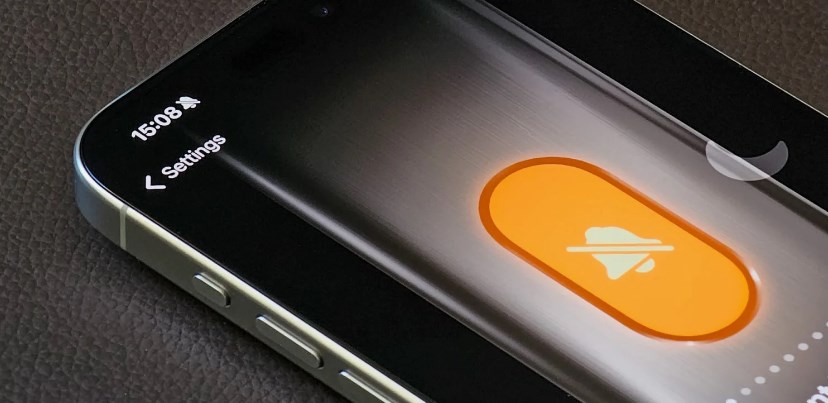
The company could address these concerns through software customization, allowing users to decide which functions take priority. A clear settings interface and reliable gesture recognition would be essential. Ultimately, the success of this change would depend on how naturally Apple integrates the two experiences. If switching between camera functions and custom shortcuts feels effortless, users may not miss the separate Action button very much. But if the new arrangement creates accidental activations or confusing gestures, Apple could end up removing a feature that was genuinely useful.
The Action Button May Not Be the Only Design Change
The rumored removal of the Action button could be part of a much bigger transformation in Apple’s smartphone strategy. The company has consistently explored ways to make iPhones look more seamless while keeping their everyday functions accessible.
For the 2027 anniversary generation, Apple could introduce a more dramatic design with fewer visible interruptions around the display and frame. Reports have also discussed potential improvements to the Camera Control hardware, including changes to its sensing technology. If Apple successfully combines multiple functions into fewer physical controls, it could create a more streamlined experience. This would follow the company’s broader approach of integrating hardware and software rather than treating them as separate elements.
Still, there is no guarantee that every rumored feature will make it into the final product. Apple regularly experiments with new designs, and some ideas never progress beyond development. The company will also need to consider existing iPhone owners. People who have invested time customizing their Action buttons may not appreciate losing a dedicated control, even if its functions remain available elsewhere. For now, the most sensible approach is to treat the reported change as an interesting possibility rather than a confirmed product decision. Apple might be getting rid of the iPhone’s Action button already
Final Thoughts: A Small Button Change Could Signal a Bigger iPhone Redesign
Apple potentially removing the Action button after introducing it just a few years ago might seem surprising. The feature was originally presented as a meaningful improvement over the traditional Ring/Silent switch, giving users more control over how they interact with their smartphones. However, combining its functionality with Camera Control could be a practical solution if Apple wants to simplify the iPhone’s physical design.
The biggest challenge will be ensuring that users do not lose convenience in the process. A customizable shortcut is valuable because it makes frequently used features easier to access. Moving those shortcuts to another button only makes sense if the experience remains equally straightforward. Apple might be getting rid of the iPhone’s Action button already
The rumored 2027 iPhone lineup could therefore become an important moment for Apple’s hardware design. With the company’s 20th anniversary approaching, a major redesign would provide an opportunity to rethink familiar features and introduce a more unified smartphone experience. For now, the dedicated Action button is not officially going anywhere. But if the latest leak is accurate, its days as a separate iPhone control could be numbered.
About the Author