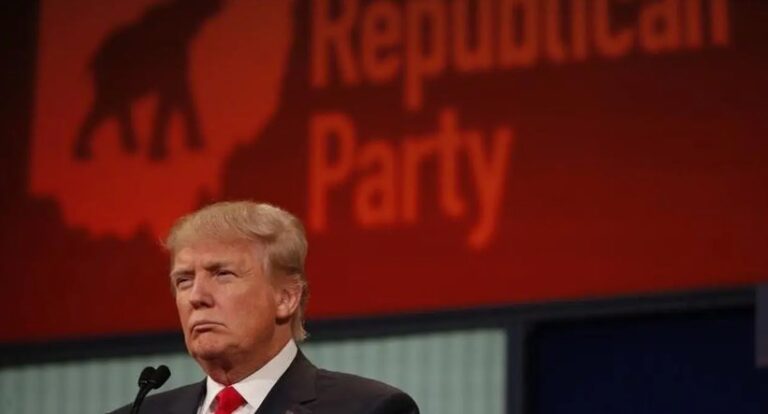
How Trump ignited a midterm drubbing for Republicans – The outcome has also exposed growing frustration among voters over the direction of the country. Economic concerns, immigration policies, the cost of living, and the administration’s approach to international affairs all played important roles in shaping the political conversation. Although Trump remained a central figure throughout the campaign, his involvement may have created additional challenges for Republican candidates trying to appeal to voters beyond his loyal political base.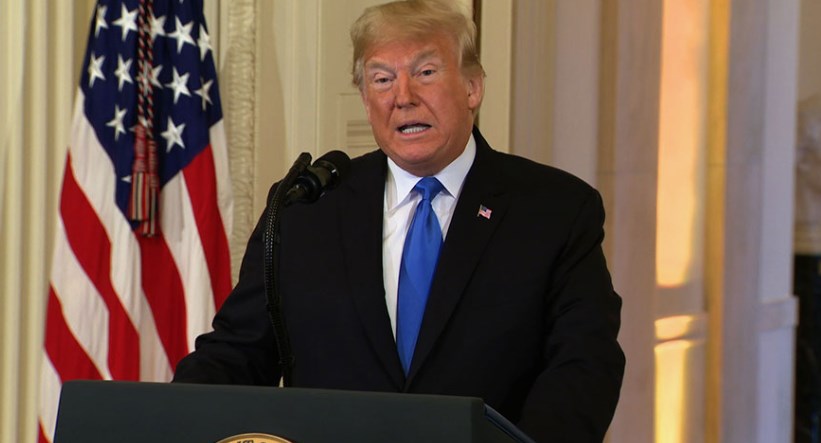
For Democrats, the results represent an opportunity to regain influence and challenge the administration’s agenda. For Republicans, however, the losses have created an uncomfortable moment of reflection. The party must now decide whether to continue following Trump’s political approach or reconsider its strategy before the next major election. How Trump ignited a midterm drubbing for Republicans
Trump’s Political Strategy Became a Major Campaign Issue
Trump’s decision to remain heavily involved in Republican campaigns was one of the defining features of the midterm election cycle. Rather than allowing individual candidates to establish their own political identities, the president frequently placed himself at the center of the Republican message. His rallies, public appearances, endorsements, and social media statements helped maintain enthusiasm among his supporters. However, the same approach also created difficulties for Republican candidates in competitive districts.
Some voters viewed the election as an opportunity to express their opinions about Trump’s presidency rather than simply evaluate their local representatives. This created a challenging environment for Republicans who wanted to focus on local economic concerns, public services, and other issues affecting their communities.
Trump’s confrontational political style also remained a source of controversy. His attacks on political opponents and frequent criticism of the media helped energize his supporters but did not necessarily attract undecided voters. The results suggest that the strategy of making every election a referendum on Trump carries considerable risks. While his political influence remains significant, it does not automatically translate into victories for every Republican candidate.
Economic Frustrations Hurt the Republican Party
The economy was another major factor behind the Republican setbacks. Although Trump repeatedly highlighted economic achievements and promised to strengthen American prosperity, many households continued to face financial pressure. For ordinary Americans, political promises matter less when grocery bills, housing costs, healthcare expenses, and everyday necessities remain difficult to afford. Voters often judge an administration based on their personal financial experiences rather than national economic statistics.
Republicans faced particular challenges when attempting to convince frustrated households that economic conditions were improving. Even when the administration pointed to positive indicators, those arguments struggled to overcome the financial difficulties experienced by many families. Trump’s comments about fuel prices and economic performance also attracted attention during the campaign. His administration attempted to present economic growth and business activity as evidence of successful leadership, but voters remained concerned about affordability.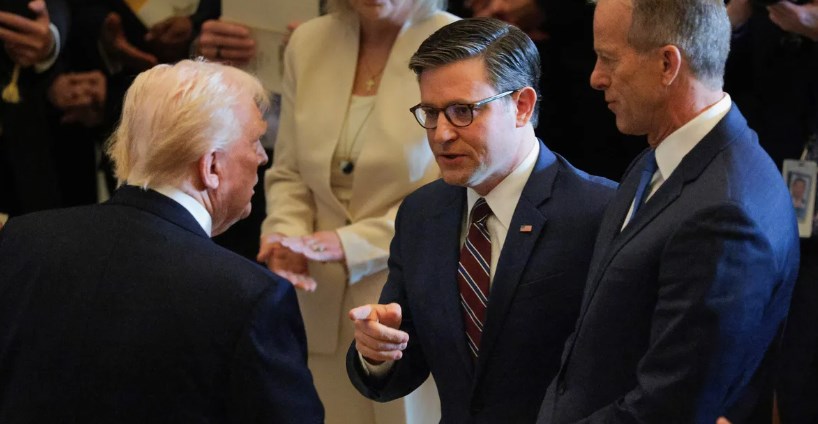
Democrats used these frustrations to challenge Republican economic messaging. Their campaigns emphasized the cost of living and argued that the administration had not delivered enough meaningful relief to working families. The economy alone may not explain the election outcome, but it provided Democrats with a powerful argument. When voters feel financially insecure, the party controlling the White House frequently faces greater scrutiny.
Immigration and Foreign Policy Added to Republican Challenges
Immigration remained one of Trump’s strongest political issues, but it also became a complicated subject for Republican candidates. His administration’s aggressive approach to border enforcement and immigration restrictions continued to attract support from voters who wanted stronger controls. However, the implementation of immigration policies also generated criticism. Concerns about immigration enforcement operations, detention facilities, family separation, and the treatment of migrants became important parts of the national debate.
For Republicans in competitive districts, defending every aspect of the administration’s approach was not always easy. Some candidates attempted to emphasize border security while distancing themselves from controversial enforcement practices. Foreign policy also created additional difficulties. Trump’s approach to international conflicts, relationships with global leaders, and decisions involving military and diplomatic pressure attracted considerable attention. How Trump ignited a midterm drubbing for Republicans
Some voters supported his emphasis on American interests and stronger international negotiations. Others questioned whether his policies were producing stability or creating additional uncertainty. These disagreements made it harder for Republicans to maintain a unified campaign message. Instead of focusing exclusively on domestic priorities, candidates frequently found themselves defending broader administration decisions.
Democrats Turned Republican Weaknesses Into Opportunities
Democrats recognized that the midterm elections offered an opportunity to capitalize on growing dissatisfaction with the administration. Rather than relying entirely on criticism of Trump, successful campaigns focused on issues that directly affected voters. Affordability, healthcare, housing, education, and economic security became central themes. Candidates attempted to present themselves as practical alternatives who could address everyday problems. The Democratic strategy also benefited from strong voter mobilization. Campaign organizers worked to encourage participation among younger voters, independent voters, and people who had become dissatisfied with the Republican Party.
In several competitive races, Democrats presented the election as a choice between continuing the administration’s political direction and demanding a different approach. Trump’s prominent involvement arguably made that argument easier. Republican candidates could not always separate themselves from the president, particularly when they had previously relied on his endorsements and political support. Democrats also benefited from the broader political environment surrounding the midterms. Historically, the party holding the White House can face significant losses during midterm elections, particularly when voters become dissatisfied with the administration. The 2026 results demonstrated how effectively Democrats could turn that political vulnerability into an electoral advantage.
Republican Leaders Face Difficult Questions About the Future
The election losses have placed Republican leadership under considerable pressure. Party officials must now consider why their candidates struggled and whether the existing political strategy remains effective. One major question concerns Trump’s continued influence. His endorsement can still provide enormous visibility and financial support, but the results suggest that his involvement is not always enough to overcome local political challenges.
Some Republicans may argue that the party needs to maintain its close relationship with Trump because his supporters remain an important part of its electoral coalition. Others may believe that candidates need greater independence to attract moderate and independent voters. Finding a balance between these competing priorities will not be easy. How Trump ignited a midterm drubbing for Republicans
Republicans must also consider how they communicate their economic policies. Voters want clear answers about inflation, wages, employment, housing, and healthcare. General promises about economic success may not be convincing if households continue struggling with everyday expenses. The party’s legislative priorities could also become more difficult to advance following the Democratic victories. A stronger Democratic presence in Congress means Republicans will face additional obstacles when attempting to move forward with major policy proposals. For Trump, the results represent a significant political warning. His ability to dominate national conversations remains powerful, but the midterms have demonstrated that political attention and electoral success are not always the same thing.
What the Midterm Results Mean for Trump’s Presidency
The Republican losses could reshape the remaining years of Trump’s presidency. With Democrats gaining greater congressional influence, the administration may face tougher investigations, more intense oversight, and increased resistance to its legislative agenda. A divided Washington could make cooperation between the White House and Congress considerably more difficult. Important proposals involving taxes, immigration, government spending, and national security may encounter stronger opposition.
The results could also influence the Republican Party’s preparations for future presidential elections. Potential candidates and party strategists will be watching closely to determine whether Trump’s political approach remains the most effective path forward. For Democrats, the victory offers an opportunity to demonstrate that they can govern effectively while challenging the administration. Their success will depend on whether they can turn electoral momentum into meaningful policy achievements. How Trump ignited a midterm drubbing for Republicans
Ultimately, Trump’s role in the Republican midterm defeat will remain a major subject of political debate. Economic frustrations, campaign decisions, immigration controversies, and broader dissatisfaction with Washington all contributed to the outcome. What is clear is that Republicans now face a difficult period of reassessment. Trump’s influence has shaped the party for years, but the 2026 midterms show that even a powerful political figure cannot guarantee victory when voters are ready for change. The election was more than a setback for individual Republican candidates. It was a warning that political loyalty has limits, economic concerns remain powerful, and voters ultimately decide whether a party deserves to remain in control.
About the Author