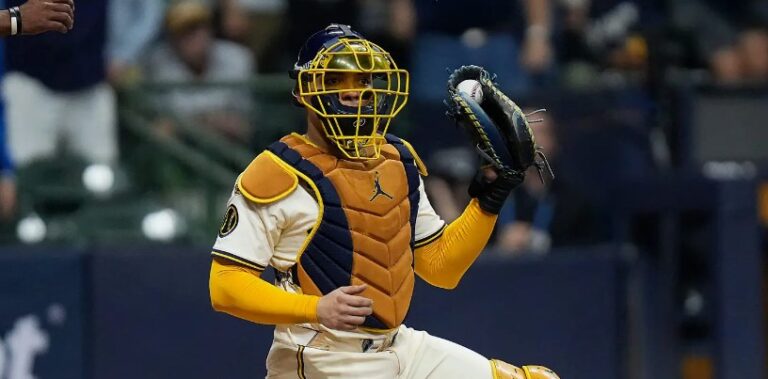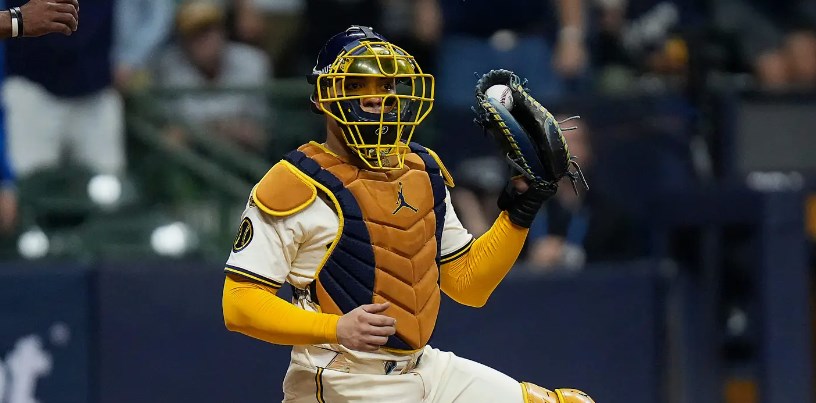
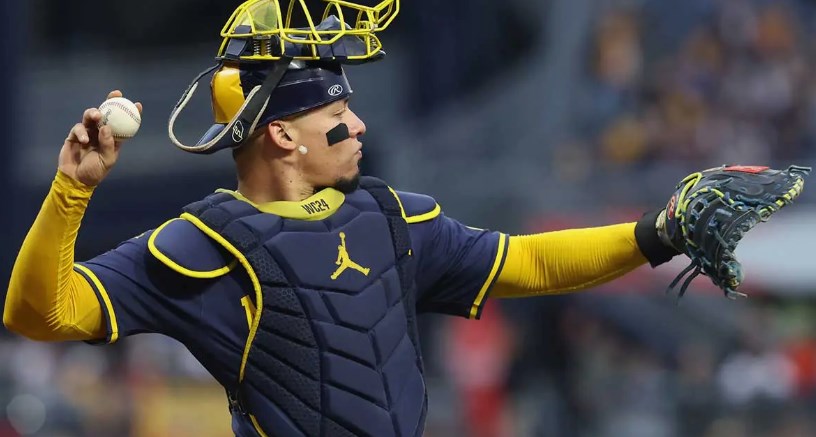
 William Contreras owned World Series opener. And Rays fell into his trap – William Contreras made sure the baseball world noticed him on the biggest stage of the season. In the opening game of the 2026 World Series, the Milwaukee Brewers catcher delivered a performance that went far beyond hitting the ball. He drove in a crucial run, controlled the game from behind home plate, and shut down two Tampa Bay Rays baserunners who attempted to steal their way into scoring position. By the final out, Contreras had become one of the main reasons Milwaukee escaped with a narrow 3-2 victory.
The game on Friday, October 23, at American Family Field was especially meaningful for Milwaukee. The Brewers were appearing in their first World Series since 1982, and the home crowd had waited decades for a night like this. With 43,250 fans watching, the atmosphere was electric. Yet the story of the opener was not simply about a historic return to the Fall Classic. It was about one catcher recognizing his opponent’s habits and turning those strengths into weaknesses. William Contreras owned World Series opener
Contreras Set the Tone Almost Immediately
The Brewers wasted little time putting pressure on Tampa Bay. In the bottom of the first inning, Jackson Chourio reached base, and Christian Yelich followed with a powerful hit into the right-center gap. Rays center fielder Jonny DeLuca made a diving attempt but could not complete the catch, allowing Yelich to reach third base with an RBI triple.
That put Milwaukee in an excellent position, but it also created a difficult decision for Tampa Bay. With one out and Yelich standing just 90 feet from home plate, the Rays brought their infield closer to the batter to protect against a ground ball. Contreras stepped into the box knowing that a well-placed hit could immediately extend the Brewers’ lead.
Rays starter Nick Martinez delivered a pitch that Contreras could attack, and the Milwaukee catcher wasted no time. He drove the ball at 108.4 mph toward shortstop Taylor Walls. The ball struck the edge of Walls’ glove and continued into the outfield, allowing Yelich to score. The play was recorded as an RBI single, giving the Brewers a 2-0 advantage.
The hit was an important early moment because it demonstrated Contreras’ ability to make an immediate impact under pressure. He did not need a home run or a spectacular highlight to change the game. A hard line drive in the right situation was enough to give Milwaukee a valuable lead and put Tampa Bay on the defensive.
The Rays’ Aggressive Style Became a Problem
Tampa Bay entered the World Series with plenty of confidence in its running game. The Rays had successfully stolen 11 bases in 11 postseason attempts before facing Milwaukee. Their speed had helped create scoring opportunities throughout October, making aggressive baserunning an important part of their identity.
Against a different catcher, that approach might have continued to pay off. But Contreras is one of the game’s most capable defensive catchers, combining quick reactions, strong throwing mechanics, and an understanding of how to read baserunners. The Rays were familiar with his reputation, yet knowing a player is dangerous does not always make it easy to avoid his strengths in a high-pressure situation.
The first major warning came in the fifth inning. Brewers starter Jacob Misiorowski was facing Yandy Díaz with Victor Mesa Jr. on second base and two outs. Misiorowski was throwing exceptionally hard, repeatedly reaching triple-digit speeds. With Díaz behind in the count, Mesa attempted to steal third base, hoping to move into scoring position and give Tampa Bay another chance to cut into the deficit.
Contreras responded immediately. He received the pitch, transferred the ball quickly, and fired an accurate throw to third base. Mesa was caught stealing, ending the inning before Díaz could do further damage. Instead of advancing into a better scoring position, the Rays lost a runner and gave Milwaukee another important defensive victory. The decision to run had produced precisely the opposite of what Tampa Bay wanted. William Contreras owned World Series opener
A Second Caught Stealing Made the Trap Clear
The fifth-inning play might have been dismissed as an isolated mistake, but the Rays encountered the same problem again in the sixth. Jonathan Aranda reached base with a single against Milwaukee reliever Abner Uribe, creating another opportunity for Tampa Bay to manufacture a run.
Chandler Simpson came to the plate, and the Rays had a powerful reason to be aggressive. Junior Caminero, one of their most dangerous hitters, was waiting on deck. If Aranda could reach second safely, a single from Simpson or a powerful hit from Caminero might change the game’s momentum.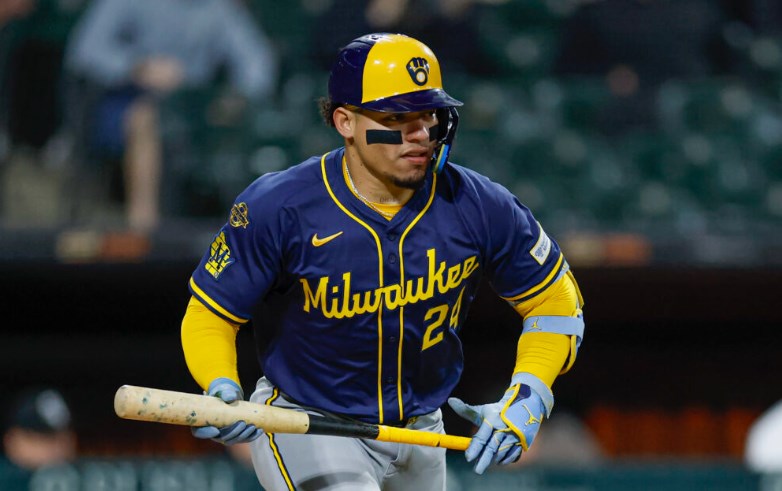
Tampa Bay chose to send Aranda on a full-count pitch. Unfortunately for the Rays, Uribe threw a nasty slider low and inside to the left-handed Simpson. Simpson could not make solid contact and struck out. At the same time, Contreras delivered another strong throw to second base, catching Aranda before he could return safely. William Contreras owned World Series opener
The result was an inning-ending strikeout-and-caught-stealing double play. Caminero never got his chance to bat with a runner in scoring position, and the Brewers escaped another dangerous situation without allowing a run. That was the moment when Contreras’ influence became impossible to ignore. He had helped Milwaukee score with his bat, then eliminated two separate scoring threats with his arm. The Rays’ speed had been a major postseason weapon, but against Contreras, aggressive decisions became costly gambles.
Milwaukee’s Supporting Cast Finished the Job
Although Contreras was central to the story, the Brewers needed contributions from several players to secure the win. Misiorowski delivered five innings of work, allowing Tampa Bay just one run while striking out three. His overpowering fastball helped keep the Rays from building sustained pressure, and Contreras’ defensive work made that pitching performance even more effective.
Tampa Bay finally scored in the fourth inning. Jonathan Aranda reached base, and Caminero doubled to the center-field wall, putting runners in scoring position. Liam Hicks grounded out to bring Aranda home, cutting Milwaukee’s lead to 2-1. The Rays had shown that they could create opportunities, but they struggled to turn enough of them into runs.
Milwaukee added an important insurance run in the seventh. Cooper Pratt reached base and advanced before Jackson Chourio delivered a single that brought him home. The score moved to 3-1, giving the Brewers a two-run cushion heading into the final innings. That extra run would prove especially valuable when Tampa Bay mounted a late challenge.
The Brewers’ bullpen then took responsibility for protecting the lead. Abner Uribe and Aaron Ashby helped keep the Rays under control, while closer Trevor Megill faced a tense ninth inning. Tampa Bay loaded the bases and appeared to have another opportunity to complete a dramatic comeback. A potential game-ending double play was overturned after a replay review, allowing a run to score and keeping the Rays alive. Megill ultimately recovered and struck out Jonny DeLuca to finish the game, securing Milwaukee’s 3-2 victory. William Contreras owned World Series opener
Contreras Was More Than a Hitter
Catcher performances are often judged by batting averages, home runs, and runs batted in. Those statistics matter, but they cannot fully explain how a catcher influences a game. Contreras showed that his value comes from understanding situations, anticipating decisions, communicating with pitchers, and preventing the opposition from turning opportunities into runs.
His offensive contribution was straightforward: an early RBI single that helped establish Milwaukee’s lead. His defensive contribution was even more significant over the course of the night. Throwing out two baserunners removed potential scoring chances and helped keep the Rays from applying consistent pressure. Those plays also affected the hitters who followed, because Tampa Bay repeatedly lost opportunities to bring its best power hitters to the plate with runners aboard.
The performance continued a strong postseason for Contreras, who had already played an important role in Milwaukee’s run to the World Series. His ability to deliver in crucial situations had become a defining feature of the Brewers’ October campaign. In Game 1, he demonstrated that the biggest contributions are not always the loudest ones. A catcher can change the outcome without hitting a home run, simply by making the right play at the right moment.
For Tampa Bay, the lesson was not necessarily to abandon its aggressive approach. Manager Kevin Cash made clear that the Rays would continue playing the style that had brought them success. Instead, the challenge is to recognize when aggression becomes predictable and when the opponent is especially well equipped to punish it.
Game 1 Gives the Brewers Momentum, but the Series Is Far From Over
Milwaukee’s 3-2 victory gave the Brewers a 1-0 lead in the World Series and delivered a memorable opening night to their first championship appearance in 44 years. The result also gave the team confidence that its pitching, defense, and timely hitting could hold up against a dangerous Tampa Bay lineup.
Still, a one-run victory does not guarantee anything about the games ahead. The Rays created late pressure, loaded the bases in the ninth, and forced Milwaukee to work for the final out. Their ability to generate baserunners suggests that the series could remain closely contested, particularly if Tampa Bay finds better ways to convert those opportunities into runs.
The central question for Game 2 is whether the Rays can adjust without losing the speed and aggressiveness that helped them reach the World Series. They may need to choose their running opportunities more carefully, especially with Contreras behind the plate. Meanwhile, Milwaukee will hope its catcher can maintain the same command of the game while the pitching staff continues to deliver under pressure. William Contreras owned World Series opener
For now, the opening chapter belongs to William Contreras. He helped produce the winning margin, caught two Rays trying to steal, and showed why a great catcher can shape a game in ways that do not always appear in the box score. Tampa Bay came to Milwaukee expecting to use speed as a weapon. Instead, Contreras turned that weapon against them—and gave the Brewers a crucial first step toward their championship goal.
About the Author