 Trump wants the death penalty for anyone who kills a firefighter –
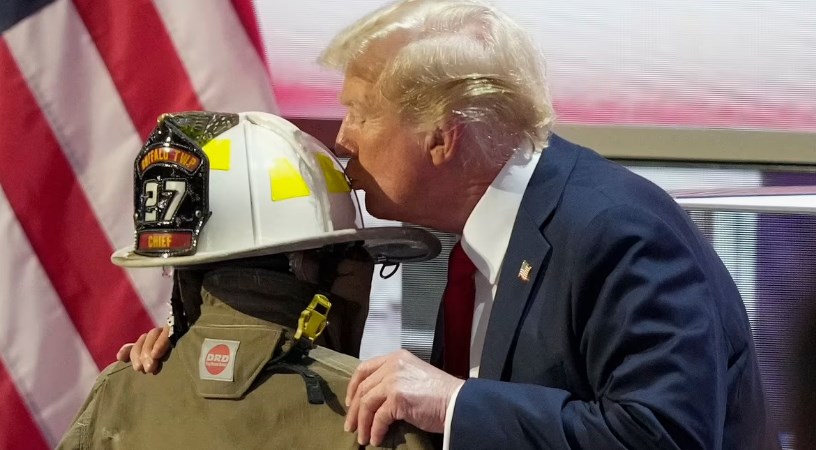
 President Donald Trump has renewed his tough-on-crime message by calling for the death penalty for anyone who kills a firefighter. The proposal puts a spotlight on the dangers firefighters face while performing their duties and raises difficult questions about how far the justice system should go when a public servant is killed in the line of duty.
Firefighters are widely respected for their willingness to enter dangerous situations to protect lives, homes, and communities. Whether responding to a house fire, a highway accident, or a large-scale emergency, they often put themselves in harm’s way without knowing what awaits them. For Trump, the idea of imposing the harshest possible punishment on someone who deliberately kills a firefighter reflects his broader emphasis on law enforcement, public safety, and severe consequences for violent crimes.
However, the proposal also opens the door to a larger discussion about capital punishment, federal criminal law, and whether mandatory or expanded death penalty provisions are the most effective way to prevent attacks on emergency responders. Trump wants the death penalty for anyone who kills a firefighter
Trump’s Call for the Harshest Possible Punishment
Trump’s position fits into a political approach that emphasizes strong penalties for people convicted of serious violent offenses. Throughout his political career, he has frequently presented tougher criminal sentences as a way to deter crime, support law enforcement, and demonstrate that attacks on public servants will not be tolerated.
Firefighters occupy a particularly important place in this discussion because their work is built around helping people during emergencies. Unlike police officers, who may sometimes have to confront armed suspects as part of their duties, firefighters generally arrive to put out fires, rescue trapped people, and provide emergency assistance. Nevertheless, they can face deliberate violence as well as the unpredictable dangers of their jobs.
A proposal to seek the death penalty for someone who intentionally kills a firefighter sends an unmistakable political message: violence against emergency personnel should be treated as an exceptionally serious offense. Supporters are likely to view the position as a way to recognize the sacrifices firefighters make and reinforce the idea that public servants deserve strong legal protection.
Yet a presidential demand does not automatically change federal law. Any new criminal penalty must operate within the Constitution and the existing legal system. Depending on the circumstances, a murder case may fall under state or federal jurisdiction, and prosecutors must establish the legal elements required for the applicable charge. The distinction matters because a statement of political support for capital punishment is not the same as a law requiring the death penalty in every case involving a firefighter’s death.
Why Firefighters Deserve Protection
Firefighters routinely work in environments where a single mistake can have devastating consequences. Burning buildings can collapse without warning, smoke can make visibility nearly impossible, and hazardous materials can turn an ordinary emergency into a life-threatening situation. Even outside fires, firefighters frequently respond to vehicle collisions, industrial accidents, and natural disasters.
The dangers can become even more complicated when emergency responders are deliberately targeted. An attack on a firefighter does more than threaten one individual. It can interfere with an emergency response, endanger other members of the crew, and delay assistance for people who may already be trapped or injured.
For that reason, protecting firefighters is not simply a matter of honoring a profession. It is also about ensuring that emergency services can operate safely and effectively. If firefighters cannot approach an incident without fearing deliberate attacks, the consequences may extend to entire neighborhoods and communities.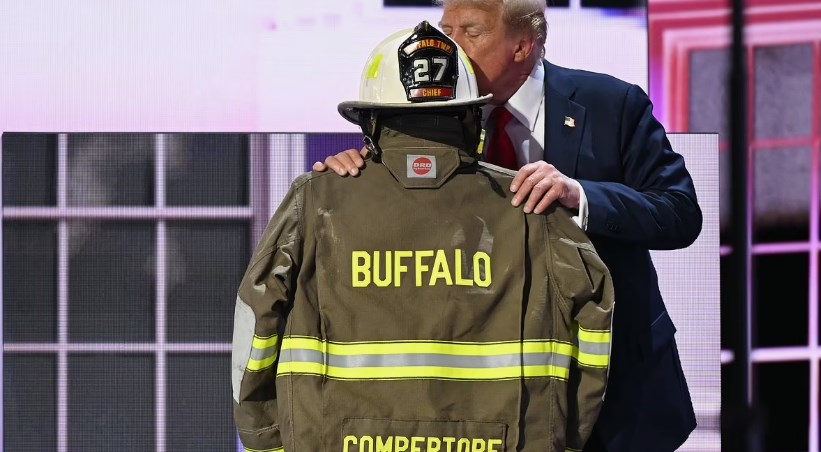
Strong criminal laws can play a role in protecting emergency personnel by establishing clear consequences for violence and giving prosecutors tools to pursue serious cases. Lawmakers can also consider measures such as improved incident reporting, protective equipment, better coordination between emergency agencies and police, and training for situations in which responders face intentional threats. Trump wants the death penalty for anyone who kills a firefighter
Still, no single punishment can eliminate every danger. Some attacks are planned, while others occur during chaotic situations involving confusion, substance use, or rapidly escalating disputes. Effective protection requires a combination of legal accountability, prevention, training, and public awareness.
The Legal Questions Behind the Death Penalty
Although Trump’s proposal may sound straightforward, applying the death penalty involves complex legal requirements. In the United States, capital punishment is permitted only under constitutional limitations and established procedures. A person cannot receive a death sentence simply because the president believes the crime deserves one. Trump wants the death penalty for anyone who kills a firefighter
The legal circumstances surrounding a firefighter’s death would be critical. Prosecutors would need to establish the appropriate offense, demonstrate the defendant’s responsibility, and satisfy any additional requirements necessary for a capital case. The fact that a victim was a firefighter may be relevant under particular statutes, but it does not automatically make every killing a death-eligible offense.
Jurisdiction is another important issue. Most homicide prosecutions take place under state law, although certain murders may be prosecuted federally when specific legal conditions are met. States also differ in their approach to capital punishment: some retain it, while others have abolished it or do not carry out executions.
Consequently, a nationwide proposal would require careful consideration of how federal law interacts with state criminal justice systems. Congress may have a role if new federal legislation is proposed, while state legislatures would generally control changes to their own criminal codes.
Constitutional safeguards would remain essential throughout the process. Defendants are entitled to due process, legal representation, and a fair trial. Capital cases also involve heightened procedural protections because the punishment is irreversible.
These safeguards are not designed to excuse violence against firefighters. They are intended to ensure that the government proves its case and imposes punishment according to the law rather than political pressure or public anger.