Trump announces building of biggest steel plant in US history
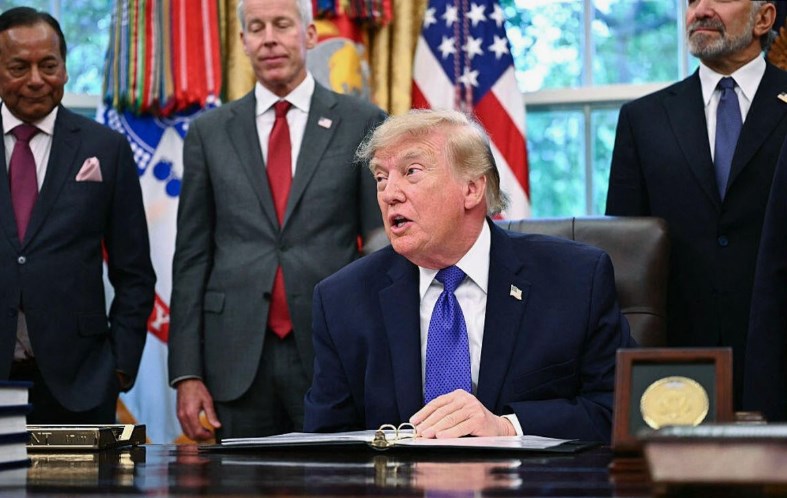
Trump announces building of biggest steel plant in US history – President Donald Trump has announced plans for a massive new steel plant in Iowa that the White House says will become the largest steel plant in U.S. history. The project, backed by India-based Essar Group through its subsidiary Mesabi Metallics, represents one of the most significant new investments in American steelmaking in decades. The planned facility is expected to cost about $15 billion, begin production in 2030, and eventually produce as much as 10 million tons of steel each year.
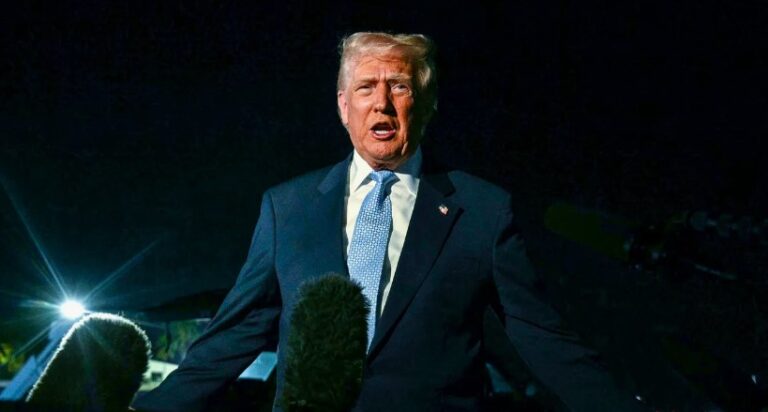
The announcement came September 28, 2026, at the White House, where Trump appeared alongside executives connected to the project, Commerce Secretary Howard Lutnick, Energy Secretary Chris Wright, and several Iowa political leaders. Trump presented the development as evidence that his administration’s policies are encouraging companies to invest in domestic manufacturing and rebuild America’s industrial base.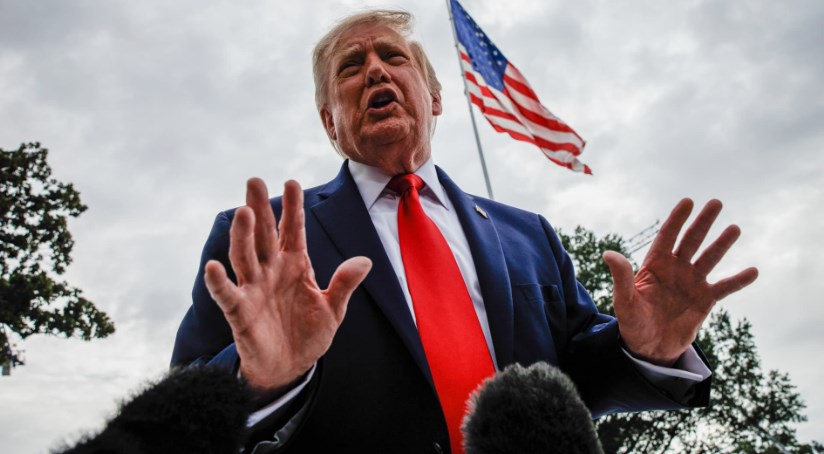
For Iowa, however, the announcement is about more than steel. It could bring thousands of construction positions, roughly 1,750 permanent jobs, and a major new industrial operation to the state. For the broader U.S. steel industry, the project could also become an important test of whether large-scale domestic steelmaking can expand while competing with producers around the world.
A Steel Project on an Extraordinary Scale
The numbers behind the proposed Iowa facility immediately stand out. Mesabi Metallics plans to invest approximately $15 billion in the steel plant, with production eventually reaching 10 million tons annually. The White House has described that capacity as the largest for a steel plant in American history. Production is expected to begin in 2030, meaning the project will take several years to move from construction to full-scale operations.Trump announces building of biggest steel plant in US history.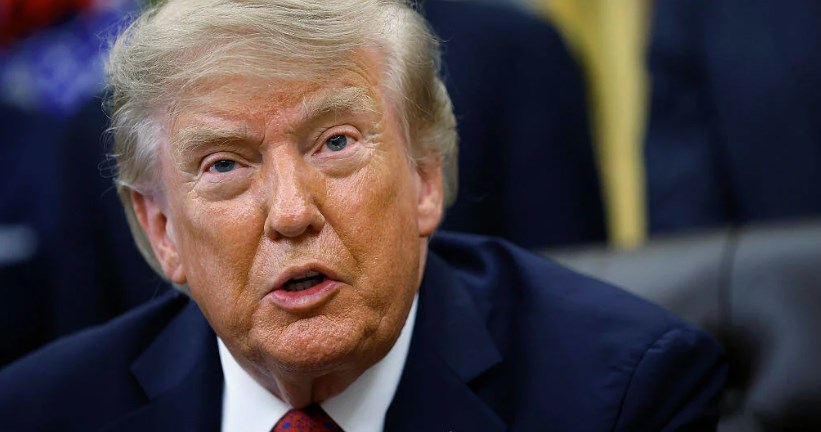
The project is designed to be part of a larger supply chain rather than simply a standalone mill. Mesabi Metallics is developing a new iron ore mine in Minnesota, creating a connection between the extraction of raw materials and the eventual production of finished steel in Iowa. The Minnesota mine represents an additional investment of roughly $2.5 billion, according to administration officials.
That integrated approach is one of the most notable aspects of the plan. Instead of depending entirely on imported raw materials, the companies involved intend to move iron ore from Minnesota toward the Iowa facility, where it can be processed into steel. The White House has emphasized this domestic mine-to-mill model as an important part of the project’s significance.
The scale also helps explain why Trump has put such a spotlight on the announcement. A facility producing 10 million tons annually would have a substantial presence in the U.S. steel market. It would not simply represent another factory opening; it would add a major piece of industrial infrastructure to the country’s manufacturing landscape.
Why Iowa Was Chosen
The planned plant is expected to be located in eastern Iowa, where state and federal officials see potential for a large industrial development to support surrounding communities. The project is expected to create about 6,000 construction jobs during development and approximately 1,750 permanent positions once operations are established. Some Iowa officials have said permanent positions could carry compensation of more than $49 per hour. Trump announces building of biggest steel plant in US history
That employment impact could extend beyond the workers directly employed at the facility. Large steel plants require transportation, maintenance, engineering, equipment suppliers, energy providers, logistics companies, and other supporting businesses. As construction progresses, communities near the facility could therefore see activity spread across several parts of the local economy.
Energy infrastructure will also be important. Steelmaking is an energy-intensive business, and Iowa officials have discussed the need to provide reliable energy supplies to support the development. Natural gas infrastructure is among the projects connected with the broader effort surrounding the plant.
For Iowa, the timing is also politically significant. The announcement arrives ahead of the 2026 midterm elections, when the state is receiving considerable political attention. The Associated Press reported that Iowa’s governor and Senate races are competitive, placing the industrial announcement in an important political environment.
Trump’s Tariffs Are Central to the Story
Trump has directly connected the steel investment to his administration’s trade policies. His administration raised tariffs on imported steel and aluminum to 50%, arguing that stronger trade protections are necessary to support domestic producers and reduce reliance on overseas supply chains.
During the White House announcement, Trump argued that those tariffs helped make the new investment possible. Commerce Secretary Howard Lutnick made a similar argument, saying the steel tariffs were an important factor behind the development of the Minnesota mine and Iowa steel plant.
The policy has supporters who argue that higher tariffs can make domestic production more attractive. At the same time, tariffs can increase costs for companies that use steel as an input, potentially affecting industries ranging from automobiles and appliances to construction and machinery. The Washington Post noted that Trump’s higher steel tariffs have raised concerns about increased prices for products that depend on steel.
That makes the Iowa project an interesting real-world example of the broader debate surrounding Trump’s industrial strategy. The administration is betting that protecting domestic production can encourage companies to build factories and mines in the United States. The long-term question will be how the resulting domestic capacity performs in terms of costs, productivity, employment, and international competitiveness. Trump announces building of biggest steel plant in US history
From Minnesota Iron Ore to Iowa Steel
One of the most ambitious parts of the project is the connection between the Minnesota mine and Iowa mill. Mesabi Metallics is developing the iron ore operation in Minnesota, which is expected to supply the Iowa facility. Trump highlighted the domestic nature of the supply chain during his announcement, describing a system in which the raw material is mined in the United States and ultimately transformed into steel within the country.
The Minnesota development is significant in its own right. Administration officials described it as the first new iron ore mine in the United States in more than 50 years. The mine and related processing infrastructure are therefore intended to strengthen domestic access to a fundamental steelmaking input. Essar Group, the Indian industrial conglomerate behind Mesabi Metallics, is providing the private investment for the steel plant. Federal officials have said financing assistance involving the Export-Import Bank supported the mine portion of the broader development, while the steel plant itself is being built with private money.
That structure illustrates an increasingly important feature of modern American industrial investment: the project may be foreign-owned, but the physical production, workers, raw materials, and infrastructure can still be located in the United States.
What the Project Could Mean for American Manufacturing
If the plant reaches its projected capacity, its impact will go beyond the number of people working inside the facility. Ten million tons of annual production would give the project a substantial role in supplying steel to American manufacturers and construction companies.
The project is also being promoted as an example of advanced steelmaking technology. Trump said the facility is expected to produce high-quality steel while remaining competitive on price. Whether it ultimately achieves those goals will depend on construction costs, energy prices, technology, labor, transportation, global steel prices, and demand when the plant begins operating.
The project will also take time. The announcement is important, but a steel plant of this magnitude cannot appear overnight. Construction, equipment installation, infrastructure development, hiring, testing, and eventual ramp-up will all have to happen before the facility reaches its projected production levels.
That distinction matters because the project’s biggest promises are still future expectations. The jobs, economic output, and steel capacity associated with the completed operation depend on successful construction and eventual production.
A Major Test of Trump’s Industrial Strategy
Trump’s Iowa steel announcement is ultimately about more than one factory. It represents his administration’s broader effort to encourage domestic manufacturing through tariffs, investment incentives, energy development, and greater emphasis on domestic supply chains.
The proposed $15 billion plant gives that strategy a very tangible form: thousands of construction workers building a giant industrial facility, iron ore coming from a new Minnesota mine, and steel eventually being produced in Iowa. The White House has estimated that the broader investment could contribute tens of billions of dollars to the U.S. economy over the coming decade.
But the project’s ultimate significance will be measured over years rather than during a White House announcement. By 2030, the questions will be much more concrete: Can the facility reach its planned production capacity? How many permanent jobs will it sustain? How competitive will its steel be? And how will the new operation affect American manufacturers and consumers?
For now, the Iowa project stands as one of the largest proposed additions to America’s steelmaking capacity in modern times. Trump has given it a prominent place in his manufacturing agenda, while Essar and Mesabi Metallics are preparing to turn the ambitious plan into a working industrial complex. If construction stays on schedule and the plant eventually reaches its projected 10-million-ton annual capacity, Iowa could become home to a steel operation unlike anything currently operating in the United States. Trump announces building of biggest steel plant in US history
About the Author