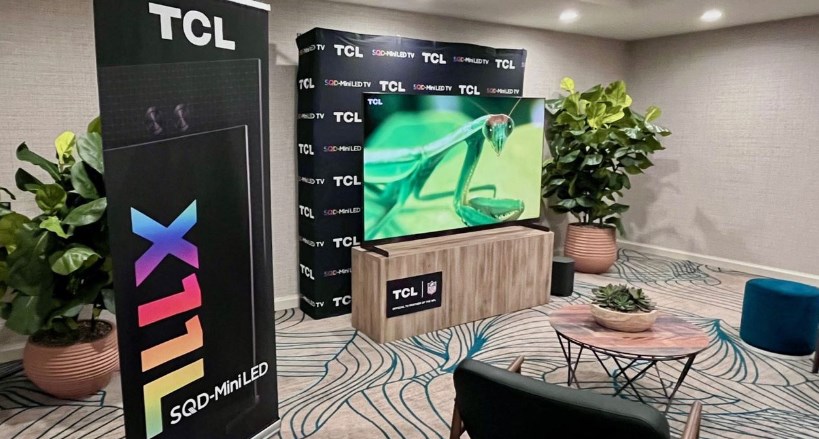
5 reasons why TCL’s SQD‑Mini LED technology stands out from the rest – Television technology has changed dramatically in recent years. Bigger screens are easier to find, 4K resolution has become mainstream, and even affordable models can now deliver impressive picture quality. But as manufacturers continue searching for ways to make TVs brighter, more colorful, and more immersive, the competition has moved beyond simply increasing the number of pixels. This is where TCL’s SQD-Mini LED technology enters the conversation.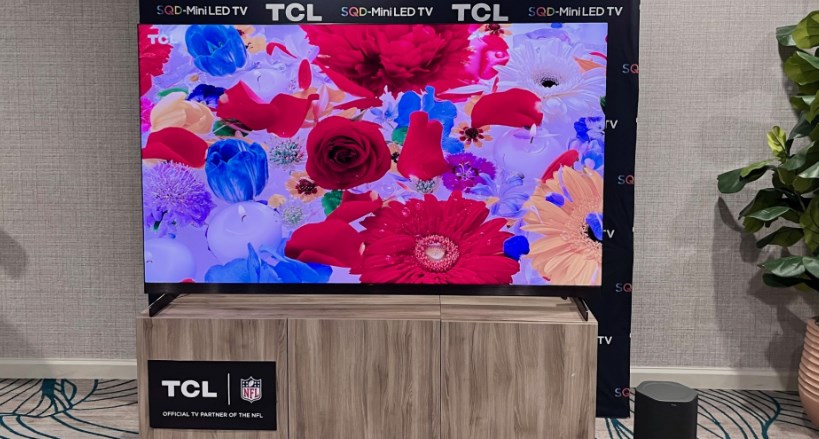
TCL has built much of its recent display strategy around Mini LED, combining extremely small LED backlights with advanced quantum-dot technology and sophisticated local dimming. The result is designed to address some of the biggest challenges facing traditional LED televisions, particularly contrast, brightness, color reproduction, and HDR performance. But what actually makes SQD-Mini LED different? Rather than looking at specifications alone, it is worth considering how the technology changes the everyday viewing experience. Here are five reasons TCL’s SQD-Mini LED technology stands out from the rest.
1. Mini LED Delivers More Precise Control Over Light
The biggest advantage of TCL’s SQD-Mini LED approach starts with the backlight itself. Traditional LED TVs use relatively large LEDs positioned behind the LCD panel. Because each LED covers a comparatively large area, controlling brightness precisely can be difficult. A bright object against a dark background can cause unwanted light to spill into surrounding areas, creating what viewers often describe as blooming.
Mini LED technology tackles that limitation by using much smaller LEDs. Because the individual light sources are smaller, manufacturers can fit significantly more of them into the television’s backlight system. More LEDs allow the display to divide the screen into numerous local-dimming zones and control different sections more independently.
In practical terms, this means a scene containing a bright moon in a dark night sky can be displayed with stronger separation between the two. The television can reduce the backlight behind the dark portions while maintaining high brightness around the moon.
TCL has made local dimming a major part of its Mini LED strategy, and this is one of the reasons the technology can produce a more convincing sense of depth than conventional LED displays. It does not turn an LCD television into an OLED, but it significantly narrows the gap in areas where traditional LCD technology has historically struggled.
2. Quantum Dots Help Produce Richer, More Vibrant Colors
The second important part of SQD-Mini LED is the quantum-dot technology. Brightness and contrast are only two parts of picture quality. A television can be extremely bright and still look disappointing if its colors are inaccurate, dull, or inconsistent. Quantum dots are designed to improve color reproduction by helping the display produce purer and more precise wavelengths of light.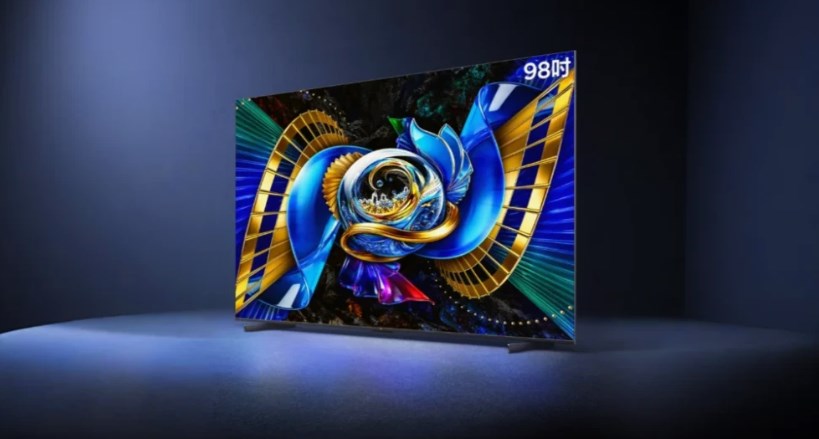
TCL’s use of quantum-dot technology alongside Mini LED creates a combination that addresses multiple aspects of image quality at the same time. The Mini LED backlight focuses on light control, while the quantum-dot layer contributes to color performance.
This can become especially noticeable when watching modern HDR content. Nature documentaries, for example, can contain intense greens, deep blues, brilliant sunsets, and subtle variations in skin tones. A capable quantum-dot display can reproduce these colors with greater volume and intensity while maintaining detail.
The benefit is not simply about making everything look more colorful. Good display technology should preserve differences between shades rather than turning every scene into an exaggerated visual effect. The combination of Mini LED and quantum dots gives TCL a technological foundation for delivering both vivid colors and controlled highlights. For viewers who spend a lot of time watching movies, sports, streaming series, or playing games, this combination can make images feel more lifelike without relying solely on higher resolution.
3. High Brightness Makes HDR More Convincing
HDR has become one of the most important features of modern televisions, but HDR performance depends on more than simply supporting an HDR format. A display needs sufficient brightness to reproduce the dramatic differences between shadows and highlights that HDR content is designed to provide. This is another area where TCL’s Mini LED strategy has an advantage.
Because Mini LED backlights can contain a large number of individually controlled light sources, TCL can push significant brightness where it is needed while reducing illumination elsewhere on the screen. This approach is particularly useful for HDR scenes containing small but extremely bright objects.
Think about a movie scene featuring a city at night. Headlights, street lamps, windows, and reflections may appear alongside large areas of darkness. A television with strong brightness and effective local dimming can make those highlights look more intense without washing out the surrounding shadows.
The same principle applies to sports. Bright stadium lighting, white uniforms, reflective surfaces, and outdoor sunlight can benefit from additional brightness and contrast. This matters because HDR is supposed to create a wider range between the darkest and brightest parts of an image. TCL’s SQD-Mini LED architecture is designed around precisely that challenge. 5 reasons why TCL’s SQD‑Mini LED technology stands out from the rest
4. The Technology Can Create a More Immersive Large-Screen Experience
Another reason TCL’s approach stands out is its suitability for large televisions. As screen sizes continue to grow, weaknesses in display technology can become easier to notice. A larger screen does not automatically mean a better picture. In fact, imperfections such as uneven brightness, blooming, or poor contrast can become more obvious when the image is spread across a much larger surface.
Mini LED provides manufacturers with greater control over a large LCD panel. More compact LEDs and more local-dimming zones allow the backlight to be managed with greater precision across the screen. That becomes particularly useful for cinematic content. Dark scenes can retain their atmosphere, while bright scenes can take advantage of the screen’s ability to produce powerful highlights. When combined with a large display, the effect can be highly immersive.
This is also important for gaming. Modern consoles and PCs can produce HDR graphics with bright effects, dark environments, and rapidly changing images. A display needs to respond quickly while maintaining consistent brightness and contrast. TCL’s Mini LED televisions are therefore positioned not merely as bigger screens, but as displays intended to make large-screen viewing more engaging.
5. SQD-Mini LED Balances Picture Quality With LCD Practicality
Perhaps the most interesting reason TCL’s SQD-Mini LED technology stands out is that it represents a different approach to achieving premium picture quality. OLED has earned considerable attention because its individual pixels can switch themselves off, producing exceptionally deep blacks and excellent contrast. LCD technology takes a different route. Instead of controlling individual pixels, Mini LED improves the backlight behind the LCD layer.
That distinction matters because each technology comes with its own strengths and compromises. Mini LED can deliver extremely high brightness and does not rely on self-emissive pixels in the same way OLED does. TCL’s strategy is essentially to keep the strengths of LCD while using increasingly sophisticated backlighting and quantum-dot technology to address its traditional weaknesses.
The result is a technology that can be particularly attractive to people who want a large, bright television for a living room, sports viewing, gaming, or HDR movies. Of course, SQD-Mini LED is not magic. Performance still depends on the individual television model, local-dimming implementation, processing, panel characteristics, viewing environment, and calibration. Not every Mini LED television will perform identically, and specifications alone cannot tell the entire story. 5 reasons why TCL’s SQD‑Mini LED technology stands out from the rest
The Bigger Picture for TCL’s Display Strategy
TCL’s SQD-Mini LED technology stands out because it combines several improvements rather than relying on a single headline specification. Mini LED provides more precise backlight control, quantum dots contribute to color performance, and high brightness strengthens the impact of HDR content.
Together, those technologies address some of the most important elements of modern television picture quality: contrast, brightness, color, detail, and immersion. The most compelling aspect is arguably the balance. TCL is not simply trying to make televisions brighter or add more LEDs for marketing purposes. The underlying idea is to give the LCD panel more precise control over how light is distributed across the image.
For consumers, that can translate into a more enjoyable everyday viewing experience. Dark movies can look deeper, HDR highlights can appear more dramatic, colors can feel richer, and large screens can become more immersive. As television technology continues to evolve, the competition will increasingly focus on how effectively manufacturers combine hardware and image processing. TCL’s SQD-Mini LED approach demonstrates why the next generation of LCD televisions is about much more than resolution. The real progress is happening behind the pixels. 5 reasons why TCL’s SQD‑Mini LED technology stands out from the rest
About the Author