vivo Snap Screen launched with 3.92-inch AMOLED, screen mirroring, 6 shooting modes
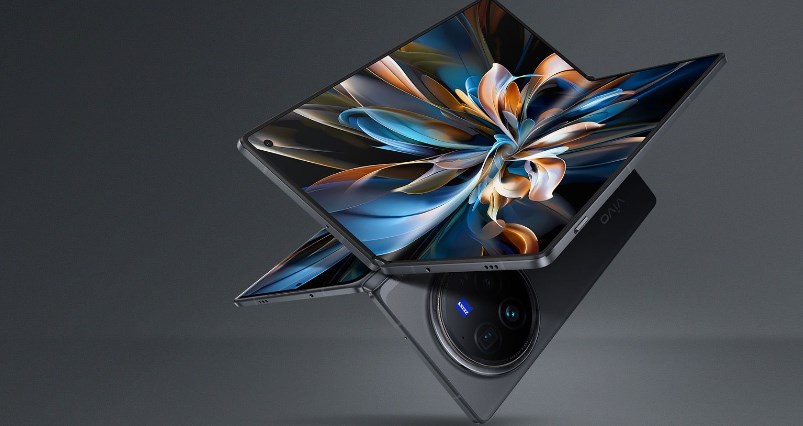
vivo Snap Screen launched with 3.92-inch AMOLED, screen mirroring, 6 shooting modes – Vivo has introduced a rather unusual camera accessory alongside its new X500 series, and it could change the way people think about smartphone photography. Called the vivo Snap Screen, the accessory adds a small 3.92-inch AMOLED touchscreen to the back of compatible phones, giving users a live view of the rear camera while they photograph or record themselves. vivo Snap Screen launched with 3.92-inch AMOLED
At first glance, it might sound like a simple secondary display. In practice, however, vivo is positioning it as a practical photography tool for people who want to use the phone’s more capable rear cameras without giving up the convenience of seeing themselves on screen. The accessory connects wirelessly, attaches magnetically through a compatible case, and can also operate as a remote camera monitor from as far as 10 meters away.
That makes the Snap Screen particularly interesting for vloggers, social-media creators, travelers and anyone who frequently takes self-portraits. Instead of holding the phone backward and hoping the composition looks right, users can actually see what the rear camera sees.
A Small AMOLED Screen With a Surprisingly Practical Purpose
The vivo Snap Screen measures 3.92 inches and uses an AMOLED panel. It is designed as a wireless companion display rather than a replacement for the smartphone’s primary screen. Reports indicate that the accessory weighs around 68 grams, while another report lists its thickness at approximately 5.65mm. It also includes its own 1,180mAh battery, meaning it is not entirely dependent on the phone for power during use.
The most important part of the design is how the screen attaches to the phone. The Snap Screen works with a dedicated magnetic case, allowing the display to sit securely on the rear of the handset. This is a much simpler approach than putting a permanently integrated secondary display onto the phone itself.
That distinction matters. A permanent rear display would add complexity, cost and potentially weight to every phone. With the Snap Screen, users who actually need the feature can carry the accessory, while everyone else can continue using the phone normally. It is a modular idea that makes more sense for photography enthusiasts than for ordinary smartphone users. vivo Snap Screen launched with 3.92-inch AMOLED
The screen’s purpose becomes obvious when the rear camera is being used for selfies or video. Smartphone manufacturers have spent years improving rear cameras, often giving them larger sensors, better stabilization and more sophisticated telephoto systems than their front-facing cameras. The problem has always been framing. The better camera is on the back, but the person taking the picture cannot easily see the composition. vivo’s solution is straightforward: put a small display where the photographer can see it.
Screen Mirroring Makes the Accessory More Versatile
One of the more useful features of the Snap Screen is its wireless connection to the smartphone. It can display the live feed from the rear camera, effectively turning the accessory into a miniature external monitor. The system can also control certain camera functions remotely, with reports indicating a usable distance of up to 10 meters.
This could make a noticeable difference when shooting video alone. Imagine placing the X500 on a tripod several meters away and standing in front of it. Normally, the photographer has to walk back and forth repeatedly to check framing. With the Snap Screen, the live camera view can remain available without requiring the user to return to the phone after every adjustment. vivo Snap Screen launched with 3.92-inch AMOLED
The concept is especially appealing for vertical video. Social platforms have made short-form portrait video an everyday format, but shooting yourself with a rear camera can still be awkward. The Snap Screen provides a direct view of the shot while allowing the higher-quality rear camera system to do the actual recording.
The screen can also be useful for group photography. Instead of relying on a timer and guessing where everyone will stand, users can monitor the composition while preparing the shot. For travelers, it could provide a similar advantage when the phone is mounted on a tripod or placed somewhere away from the photographer. vivo has essentially taken an idea associated with foldable phones and turned it into an accessory. Instead of buying a phone with an external display specifically for this purpose, users can add the functionality when they need it.
Six Shooting Modes Put More Control in the Photographer’s Hands
The Snap Screen is not simply a passive monitor. Reports say it integrates with vivo’s native camera software and supports six shooting modes, giving the accessory a more active role in photography rather than functioning as nothing more than a tiny external screen.
That integration is important because an external display becomes much more useful when the photographer can control the camera from it. A monitor that only shows an image still requires the user to reach for the phone to make changes. With camera controls available through the accessory, the shooting process becomes more natural.
For creators, this could be particularly helpful when recording talking-head videos, product demonstrations, travel clips or behind-the-scenes footage. The user can concentrate on positioning and performance instead of repeatedly checking the phone itself. vivo Snap Screen launched with 3.92-inch AMOLED
The six-mode approach also suggests that vivo wants the Snap Screen to feel like part of the camera system rather than a generic Bluetooth display. The company is building the accessory around specific photographic scenarios, which is why its compatibility with the X500 series and related camera hardware is significant.
vivo is also offering a Zeiss Telephoto Extender G2 for the X500 family. When combined with the telephoto camera, the accessory can provide an equivalent focal length of around 200mm, giving photographers another reason to want a separate live monitor when shooting distant subjects or experimenting with longer focal lengths.
Designed for Creators, Not Just Casual Selfies
The biggest appeal of the Snap Screen may be for people who treat their smartphone as a serious camera. Casual users can certainly benefit from easier selfies, but creators are more likely to appreciate the accessory’s combination of monitoring, remote control and rear-camera access. Consider a solo creator recording outdoors. The rear cameras can offer better image quality, while the Snap Screen provides a live view. The creator can check framing, position themselves correctly and start recording without needing another person behind the camera.
It could also help photographers capture unusual angles. A phone mounted low to the ground, positioned above eye level or placed farther away becomes easier to operate when the user has a separate display. That gives smartphone photography a little more of the workflow associated with dedicated cameras. The accessory’s wireless nature is another important detail. vivo says the Snap Screen can work from up to 10 meters away, giving users considerably more freedom than a display physically attached to the phone.
There are still limitations. The Snap Screen is an additional device to carry, and its usefulness depends heavily on whether someone actually takes advantage of rear-camera shooting. It is also currently tied closely to vivo’s ecosystem, with availability and compatibility potentially varying by model and market.
vivo Snap Screen Pricing and Availability
The Snap Screen was introduced with the vivo X500 series in China. Reports list the Snap Screen and magnetic case bundle at 708 yuan, roughly equivalent to $106 based on reported pricing. Another report says a larger X500 Pro Max teleconverter package containing the Snap Screen and other photography accessories is priced around 1,499 yuan. The standard vivo X500 itself starts at 5,499 yuan in China for the 12GB/256GB configuration, while higher-capacity versions reach 6,999 yuan. The phone features a 6.59-inch 144Hz AMOLED display and a triple rear-camera system that includes a 50MP main sensor, 64MP telephoto and 50MP ultrawide camera.
That camera hardware helps explain why the Snap Screen exists in the first place. vivo is not merely adding another screen for novelty. It is creating a way for users to take advantage of a powerful rear-camera system in situations where a traditional smartphone layout makes that difficult. Ultimately, the vivo Snap Screen is an interesting example of smartphone accessories becoming more specialized. Its 3.92-inch AMOLED display, wireless screen mirroring, remote camera controls and six shooting modes address a very specific problem: how to use the best camera on the phone when you are also the person standing in front of it.
For everyday users, it may remain an optional curiosity. For vloggers, photographers and social-media creators, however, the idea is considerably more practical. Rather than turning the smartphone into a foldable or adding another permanent display, vivo has created a detachable solution that appears exactly when it is needed. And that may ultimately be the most interesting part of the Snap Screen: it does not try to change what a smartphone is. It simply gives the camera a better way to see what it is shooting.
About the Author