Infantino proposes reforms to the FIFA Executive Committee
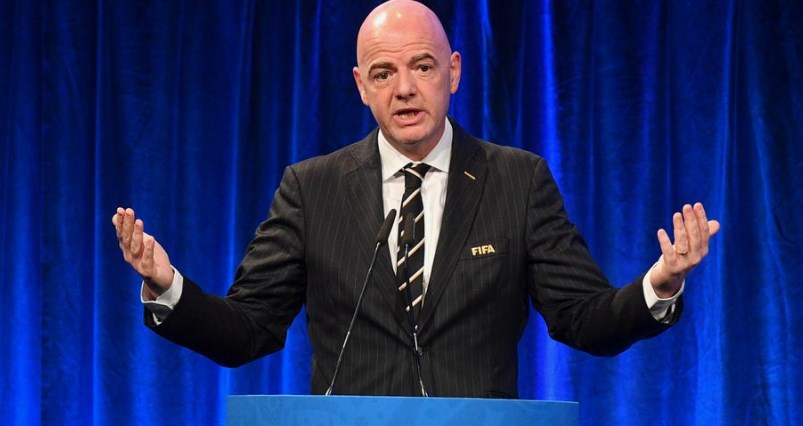
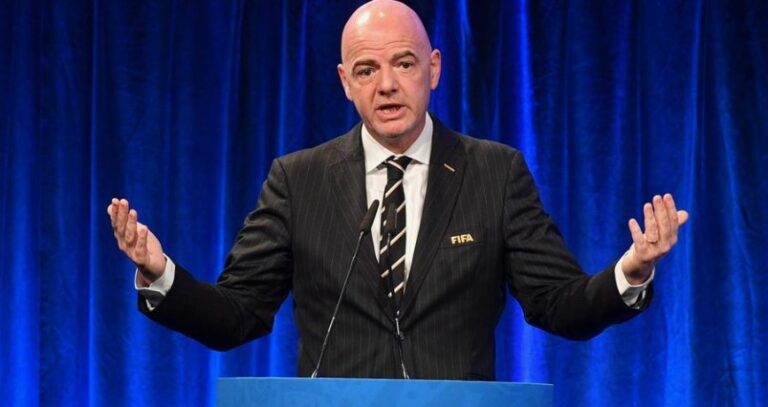
Infantino proposes reforms to the FIFA Executive Committee – FIFA president Gianni Infantino has opened the door to changes in the way football’s global governing body makes major decisions, proposing an independent review of FIFA’s governance structure after months of criticism over transparency and decision-making. The proposal arrives at an awkward moment for FIFA.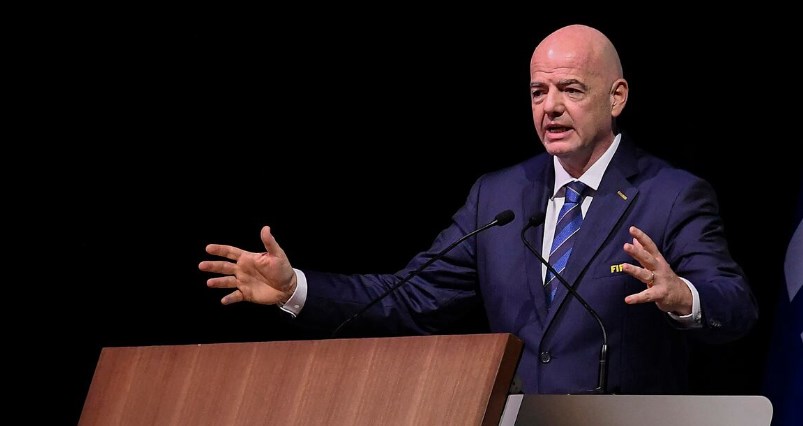
The organisation has just abandoned a controversial plan to create a new commercial subsidiary that could have involved outside investors in the commercial rights connected to major FIFA competitions. The idea, known as FIFA Forward Enterprise, triggered opposition from several continental football bodies and raised questions about whether such a major initiative had been developed with enough consultation.
Now Infantino is calling for a fresh conversation about how FIFA should operate. In a letter sent to FIFA’s 211 member associations and the FIFA Council, Infantino proposed an independent external review of governance arrangements surrounding major strategic initiatives. He also called for consultations with confederations and other stakeholders to examine where decision-making authority should sit. The timing is significant. FIFA is approaching another presidential election in March 2027, and Infantino has already confirmed that he intends to seek another term.
Why Infantino Is Talking About Reform Now
The latest proposal did not appear in isolation. It follows a difficult period for Infantino and FIFA after the collapse of the FIFA Forward Enterprise plan. The original proposal was presented by FIFA as a way to unlock additional commercial value from football and increase the amount of money available for development around the world. FIFA said the proposed structure could eventually help expand development funding to more than $10 billion, subject to approval by its member associations. The organisation also said the existing FIFA Forward programme could potentially increase funding per member association from $8 million to $20 million for the 2027–30 cycle.
Infantino described the project as an opportunity rather than an obligation and insisted that it would require approval from FIFA’s members and Council. FIFA’s official explanation also said the proposed subsidiary would remain FIFA-owned and controlled. But the proposal became controversial before that consultation process could develop as FIFA had intended. UEFA, the Asian Football Confederation and CONCACAF were among the organisations expressing opposition. The backlash eventually contributed to the plan being abandoned.
That experience appears to have changed the conversation. Instead of simply defending one commercial proposal, Infantino is now suggesting that FIFA examine the broader system through which major strategic decisions are developed and approved. Infantino proposes reforms to the FIFA Executive Committee
What the Proposed Review Could Examine
Infantino’s proposal is not a complete blueprint for a new FIFA governance system. Rather, it is an invitation to examine how the existing structure works and whether changes are needed. According to Reuters, the FIFA president wants an independent external review to look at the governance structure surrounding major strategic initiatives. He has also proposed consultation with confederations and stakeholders about who should have authority over significant decisions.
That distinction is important. FIFA already has a governance structure involving the president, FIFA Council, Congress, standing committees, member associations and continental confederations. The organisation has also introduced governance reforms over the past decade, including changes to statutes, financial oversight and committee structures.
FIFA says that its 74th Congress approved a major restructuring of standing committees designed to strengthen participation by member associations and confederations, increase female representation and bring more specialised expertise into decision-making. The question now is whether those mechanisms are sufficient when FIFA wants to pursue major commercial or strategic projects.
That is where the debate becomes more complicated. A global organisation representing 211 national associations must be able to make decisions efficiently, but those decisions can also affect powerful regional organisations with their own responsibilities, commercial interests and political relationships. The proposed review could therefore become a discussion about where the balance should be struck between central leadership and wider consultation.
The Push for Greater Transparency
Transparency has become one of the central themes surrounding the dispute. Infantino has said that FIFA’s member associations should be able to participate in decisions and that their positions on governance matters should not affect their access to FIFA funding programmes. Reuters reported that he specifically emphasised this point in his letter. That assurance matters because FIFA’s development programmes distribute substantial amounts of money to national associations around the world.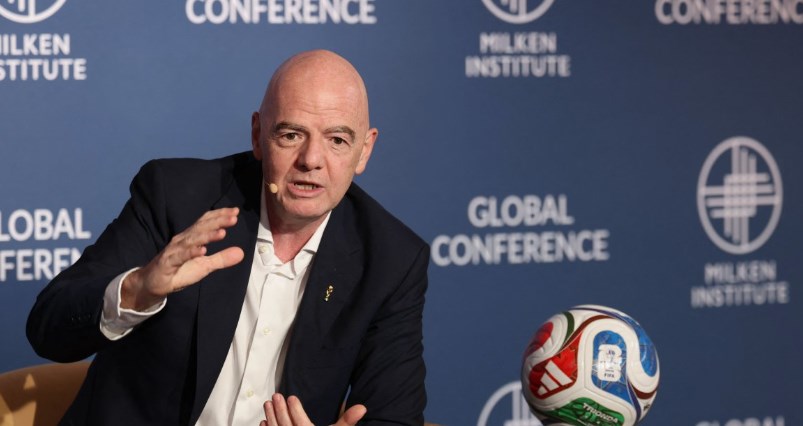
FIFA has long presented its development funding as a central part of its mission. The organisation says revenues generated from major competitions should help develop football in countries with different levels of infrastructure and resources. Infantino has repeatedly argued that closing the financial gap between wealthier and less-resourced football nations should remain a priority. In August, he said FIFA had a responsibility to help smaller federations develop their football systems, while defending the organisation’s broader development strategy. Infantino proposes reforms to the FIFA Executive Committee
Critics, however, have focused on the relationship between funding and governance. They want clear assurances that development money cannot become connected to political support for FIFA leadership. Infantino’s latest proposal directly addresses that concern by saying member associations should not be treated differently because of their position on governance questions.
Opposition Wants Deeper Changes
Not everyone sees an independent review as sufficient. German Football Association president Bernd Neuendorf, who is also a member of the FIFA Council, has described Infantino’s latest initiative as a strategy linked to his re-election campaign. Neuendorf has argued that Infantino lacks the credibility to lead the reform process himself. Other football organisations have also called for broader changes.
The Dutch Football Association, for example, has called for a comprehensive overhaul of FIFA’s governance system. Its proposals have included stronger checks and balances, greater separation of administrative powers and increased attention to human rights and sustainability. The Dutch federation has also questioned the concentration of power within FIFA.
UEFA has separately been pushing for governance changes and has been discussing the possibility of supporting a challenger to Infantino in the next presidential election. UEFA vice-president Laura McAllister said the organisation’s focus was on accountability, transparency and structural change rather than simply finding opposition to one individual.
That creates an important distinction in the current debate. Infantino is proposing a review of FIFA’s decision-making framework. His opponents are asking whether a review led under his presidency can deliver the level of structural change they believe is necessary. Those are two different approaches to the same underlying problem.
Money Is Still at the Heart of the Debate
Behind the governance argument sits an even bigger issue: money. FIFA’s commercial strength has grown substantially during Infantino’s presidency. FIFA says its revenue budget for the 2027–30 cycle is projected at $14 billion, while the organisation has increasingly discussed ways to generate additional commercial value from its competitions. At the same time, UEFA and CONCACAF leaders have called for an independent review of FIFA’s financial reserves and have proposed distributing $2.1 billion among FIFA’s 211 member associations. They say FIFA’s reserves are projected to reach approximately $6 billion by the end of the current cycle. Infantino proposes reforms to the FIFA Executive Committee
This illustrates why governance cannot easily be separated from finance. Who controls FIFA’s commercial assets? How should profits be distributed? How much money should remain in reserves? How much should go into development? And who should have the final authority when major commercial decisions are proposed?. Those questions will probably remain at the centre of FIFA’s internal debate regardless of what happens to the proposed review.
The Road to the 2027 Election
The reform discussion is also unfolding against the backdrop of Infantino’s bid for another term. Infantino announced in May 2026 that he would stand for re-election at the 2027 FIFA presidential election. That inevitably gives his governance proposal another layer of significance. Supporters can view the initiative as an attempt to respond to legitimate concerns and improve FIFA’s decision-making process. Critics can interpret the timing as an effort to rebuild political support before the election. Those interpretations are already part of the public debate, and neither should be confused with the underlying factual question of what reforms are eventually adopted.
For FIFA, the next stage will be practical rather than rhetorical. The FIFA Council is expected to consider the initial suggestions at its October 15 meeting. The eventual outcome will depend on how far member associations, confederations and other stakeholders are prepared to go in reshaping the organisation’s governance. For football fans, much of this may seem distant from the pitch. But governance decisions eventually influence how money is distributed, how competitions are organised and how the sport is managed around the world.
Infantino’s proposal therefore represents more than a promise to review paperwork or committee structures. It is a response to a growing argument about how much power should sit at the centre of global football. The coming months will show whether FIFA’s latest reform discussion becomes a genuine redesign of decision-making or primarily a consultation process around an existing system. What is already clear is that the debate over transparency, commercial power and accountability is no longer confined to FIFA’s boardrooms. It has become one of the defining governance questions facing world football before the 2027 presidential election. Infantino proposes reforms to the FIFA Executive Committee
About the Author