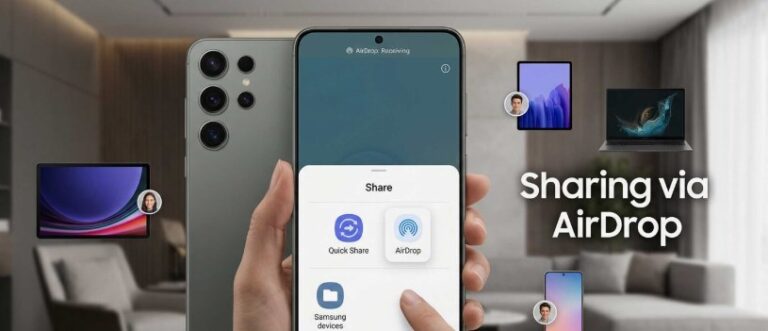
OnePlus 15 joins the tiny Android club that can AirDrop with iPhones
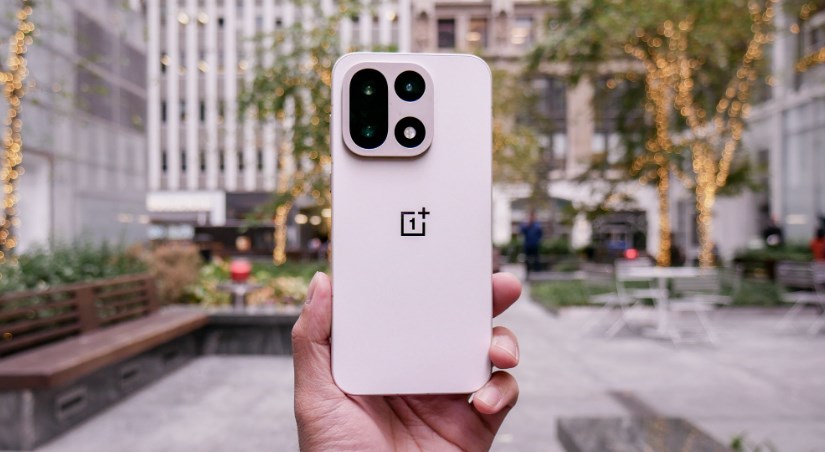
OnePlus 15 joins the tiny Android club that can AirDrop with iPhones – For years, one of the biggest frustrations in the smartphone world has been the divide between Android and Apple devices. While both ecosystems have evolved dramatically, sharing files between them has often felt like crossing a digital border. Apple users enjoy the convenience of AirDrop, a feature that allows photos, videos, documents, and other files to be transferred instantly between iPhones, iPads, and Macs. Android users, meanwhile, have relied on alternatives that rarely work as seamlessly when interacting with Apple devices.
That gap may finally be starting to close. The upcoming OnePlus 15 is reportedly set to join a very small group of Android smartphones capable of transferring files directly with iPhones in a way that closely mirrors Apple’s AirDrop experience. While the feature may not technically be AirDrop itself, it represents a significant step toward a future where smartphone users can share content freely regardless of the logo on the back of their device.
For consumers who switch between platforms, work in mixed-device environments, or simply have friends and family using different operating systems, this could be one of the most practical upgrades coming to the next-generation flagship.
Breaking Down the Ecosystem Walls
For over a decade, Apple has built its reputation around a tightly integrated ecosystem. Features like AirDrop, Handoff, Universal Clipboard, and Continuity have encouraged customers to stay within Apple’s hardware family. AirDrop, in particular, became one of Apple’s most beloved features because of its simplicity. Users can send a photo, video, contact card, document, or other file with just a few taps. The transfer happens wirelessly, quickly, and without requiring internet access.
Android has had its own equivalents over the years. Google introduced Nearby Share, later rebranded as Quick Share in collaboration with Samsung. Brands such as Xiaomi, Oppo, Vivo, and OnePlus have also developed their own local-sharing technologies. The problem has always been compatibility.
An Android phone could easily share files with another Android phone, but transferring content to an iPhone usually required cloud storage services, messaging apps, email attachments, or third-party applications. These extra steps created friction in situations where people simply wanted to send a few photos from one phone to another. The OnePlus 15 appears ready to tackle that problem directly.
A Feature Users Have Been Requesting
One of the most common requests among smartphone users is straightforward: make sharing easier. Imagine attending a family gathering where some relatives use iPhones while others carry Android devices. After taking dozens of pictures, sharing them often becomes unnecessarily complicated.
Someone creates a WhatsApp group.
Another uploads files to Google Drive.
Someone else emails photos.
The process works, but it isn’t elegant.
AirDrop became popular precisely because it eliminates those hurdles.
The possibility that OnePlus 15 owners could send files directly to iPhone users represents a meaningful quality-of-life improvement rather than just another flashy specification on a marketing sheet. Unlike camera megapixels or benchmark scores, seamless file sharing affects daily smartphone use. It’s the kind of feature people don’t think much about until they need it—and then they wonder how they ever lived without it.
OnePlus Continues Its Push Beyond Hardware
Traditionally, smartphone launches focus heavily on hardware specifications. Manufacturers compete on processor performance, camera sensors, charging speeds, display brightness, and battery capacity. While these areas remain important, the smartphone market has matured considerably.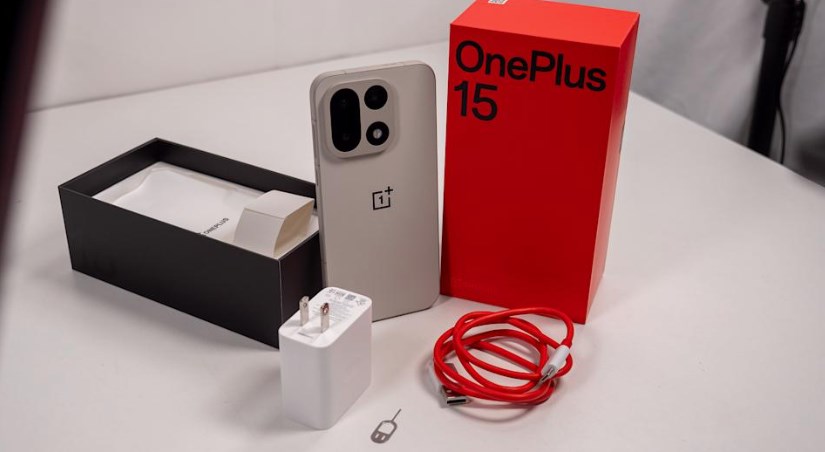
Most flagship phones today are already extremely fast and capable. As a result, software experiences are becoming increasingly important differentiators. OnePlus appears to understand this shift. Over the past few years, the company has expanded its focus from pure hardware excellence toward creating a broader ecosystem experience.
The ability to interact more naturally with iPhones reflects that strategy. Rather than treating Apple devices as competitors that should remain isolated, OnePlus seems willing to acknowledge a reality many consumers already live with: people often use products from multiple brands. A user might own a Windows laptop, an iPad, a OnePlus smartphone, and Apple AirPods simultaneously. Modern technology habits are rarely confined to a single ecosystem. Features that embrace this reality have the potential to resonate strongly with consumers.
Why Cross-Platform Sharing Matters More Than Ever
The way people use smartphones has changed dramatically. Today’s phones serve as cameras, communication hubs, productivity tools, entertainment centers, and digital wallets. As users create more content than ever before, transferring files quickly becomes increasingly important. Photos and videos are larger. Documents are more complex. Collaboration happens across multiple devices. Whether you’re a student sharing class notes, a content creator moving videos between devices, or a business professional exchanging presentations, smooth file transfers save valuable time.
Cross-platform compatibility also reflects broader industry trends. Consumers are becoming less loyal to individual ecosystems and more interested in choosing the best device for each purpose. This shift places pressure on manufacturers to improve interoperability. The OnePlus 15’s rumored AirDrop-like functionality aligns perfectly with these changing expectations.
Apple’s Influence Remains Strong
Interestingly, the development highlights how influential Apple’s ecosystem continues to be. AirDrop has become so effective that many Android manufacturers now seek to replicate its convenience rather than create entirely different solutions. That’s not necessarily a criticism. Many of today’s most successful technologies evolved through industry-wide adoption of useful ideas.OnePlus 15 joins the tiny Android club that can AirDrop with iPhones
Touchscreen interfaces, fingerprint readers, wireless charging, and high-refresh-rate displays all spread across competing platforms after proving their value. AirDrop-style sharing may be following the same path. Consumers ultimately benefit when useful innovations become more widely available. The goal isn’t to copy Apple but to remove unnecessary barriers between devices.
What This Means for OnePlus Users
If the implementation works smoothly, OnePlus users could enjoy a level of convenience previously unavailable on most Android devices. Instead of relying on cloud services or messaging platforms, users may be able to transfer files directly between phones with minimal setup. That could make the OnePlus 15 especially attractive for people who frequently interact with iPhone users. College students, creative professionals, families, and mixed-platform workplaces could all benefit. OnePlus 15 joins the tiny Android club that can AirDrop with iPhones
The feature may also reduce one of the subtle social advantages Apple devices have historically enjoyed. Anyone who has attended an event where photos were shared exclusively through AirDrop understands the feeling of being left out if they use Android. By enabling easier communication between platforms, OnePlus helps eliminate that divide. Technology should bring people together, not separate them based on operating system choices.
A Sign of the Industry’s Future
The bigger story may not be the OnePlus 15 itself. Instead, this development could signal where the smartphone industry is heading. Consumers increasingly expect devices to work together regardless of manufacturer. Regulators around the world have also shown growing interest in promoting interoperability and reducing ecosystem lock-in. As a result, smartphone makers are facing pressure from both customers and policymakers to improve compatibility.
The future may involve fewer barriers between platforms and more universal experiences. Features once reserved for specific ecosystems could become available across multiple operating systems. If that happens, consumers gain greater freedom to choose products based on their individual merits rather than compatibility concerns. The OnePlus 15’s rumored file-sharing capabilities represent a small but meaningful step in that direction. OnePlus 15 joins the tiny Android club that can AirDrop with iPhones
More Than Just Another Flagship
The OnePlus 15 will undoubtedly arrive with powerful hardware, advanced cameras, a premium display, and the latest mobile processor. Those features are expected in today’s flagship market. What makes this particular feature noteworthy is its practicality. People remember experiences more than specifications.
They remember how easily they shared vacation photos. They remember whether transferring files felt effortless or frustrating. They remember whether their devices worked smoothly with the technology used by friends, family, and coworkers. By bringing AirDrop-like compatibility to iPhone interactions, OnePlus is addressing a real-world problem that millions of smartphone users encounter regularly. In a market where hardware improvements often feel incremental, solving everyday frustrations can have a bigger impact than adding another camera lens or increasing benchmark scores.
If OnePlus delivers on the promise of seamless iPhone file sharing, the OnePlus 15 may become more than just another Android flagship. It could represent a growing movement toward a more connected and less fragmented mobile world—one where users are free to share, collaborate, and communicate without worrying about which operating system they happen to use. OnePlus 15 joins the tiny Android club that can AirDrop with iPhones
About the Author