Trump says Iran ‘will have to pay the price’ for dragging out negotiations
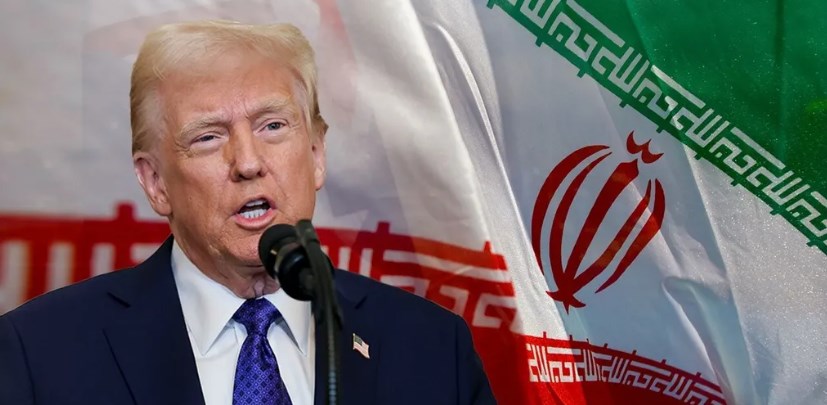
Trump says Iran ‘will have to pay the price’ for dragging out negotiations – Tensions between the United States and Iran escalated sharply on Wednesday after President Donald Trump issued a stern warning to Tehran, accusing the Iranian government of dragging out negotiations and suggesting that the country would face serious consequences for delaying a deal. His remarks came amid renewed military exchanges between the two nations and growing uncertainty over whether diplomatic efforts can still prevent a wider regional conflict.
In a strongly worded social media post, Trump criticized Iran for what he described as endless delays and a lack of commitment to reaching an agreement. According to the president, Iran had been given opportunities to secure a deal that would have benefited the country, but its leaders failed to act in time.
“Iran is all talk and no action,” Trump wrote, adding that Tehran had taken too long to negotiate and would now “have to pay the price.”
The statement marked another dramatic shift in the already volatile relationship between Washington and Tehran. Only days earlier, hopes remained that diplomatic channels could still lead to a breakthrough. However, recent military incidents have pushed both sides closer to confrontation and cast doubt on the future of negotiations.
Rising Tensions in the Gulf
The latest crisis follows reports that Iran was involved in the downing of a U.S. Army Apache helicopter operating near the strategically important Strait of Hormuz. The incident triggered a swift American response, with U.S. forces launching strikes against Iranian military targets. Iran subsequently retaliated by targeting American military facilities in several Gulf countries, including Jordan, Bahrain, and Kuwait.
Although officials reported no significant U.S. casualties, the exchange represented one of the most serious escalations since a fragile ceasefire arrangement earlier in the year. Military analysts warned that each new strike increases the possibility of a broader conflict involving regional allies and international shipping routes.
The Strait of Hormuz remains one of the world’s most important energy corridors, with a significant percentage of global oil and natural gas shipments passing through the narrow waterway. Any instability in the region has immediate consequences for global energy markets and international trade.
Trump Signals Potential New Military Action
Trump’s comments were not limited to criticism of Iran’s negotiating strategy. Reports indicate that the president also hinted at the possibility of additional military strikes if Tehran continues to resist American demands. Potential targets reportedly include critical infrastructure such as power plants, bridges, radar systems, and air-defense installations.
Such remarks have raised concerns among international observers and legal experts, some of whom argue that attacks on civilian infrastructure could create serious humanitarian consequences and potentially violate international law.
Despite the aggressive rhetoric, the White House has not yet released detailed information regarding any planned military operations. Administration officials have remained largely silent about Trump’s latest statements, leaving uncertainty about whether the remarks represent immediate policy intentions or are designed to increase pressure during negotiations.
Diplomatic Efforts Continue Behind the Scenes
While public statements have become increasingly confrontational, diplomatic activity has not stopped entirely. Reports suggest that Qatari mediators traveled to Tehran following consultations with U.S. officials in an effort to salvage negotiations and prevent further escalation.
Qatar has frequently served as an intermediary between Washington and Tehran during periods of heightened tension. The Gulf nation maintains communication channels with both governments and has played a role in previous efforts to reduce hostilities.
According to individuals familiar with the discussions, mediators are attempting to bridge significant differences between the two sides. Iran continues to seek sanctions relief, access to frozen assets, and guarantees regarding future security arrangements, while the United States is pushing for broader commitments related to regional stability and Iran’s military activities. Whether those differences can be overcome remains unclear.
Iran’s Position
Iranian officials have responded cautiously to Trump’s latest remarks. While Tehran has not formally abandoned negotiations, Iranian leaders have indicated that recent U.S. military actions have complicated the diplomatic process. Trump says Iran ‘will have to pay the price’ for dragging out negotiations
Officials in Tehran argue that trust has been severely damaged by repeated military operations and what they view as violations of earlier understandings. Some Iranian representatives have suggested that the country may reassess its participation in talks if military pressure continues.
Iran has also emphasized its strategic interests in the Strait of Hormuz and continues to seek economic concessions as part of any broader agreement. The country’s leadership maintains that sanctions relief must be a central component of any future deal. At the same time, Tehran faces increasing pressure from the ongoing military situation. Reports indicate that recent U.S. strikes targeted numerous Iranian defense positions, radar systems, and military infrastructure, further straining the country’s security apparatus.
Global Markets React
Financial markets responded quickly to the renewed tensions. Oil prices rose as traders worried about potential disruptions to shipping routes through the Gulf. Investors also expressed concern that a prolonged conflict could affect global economic growth and increase energy costs worldwide. Trump says Iran ‘will have to pay the price’ for dragging out negotiations
Analysts noted that even the perception of instability in the Strait of Hormuz can trigger market volatility because of the region’s central role in global energy supplies. Stock markets in several regions experienced declines as investors sought safer assets amid fears of further military escalation.
A Critical Moment for U.S.-Iran Relations
Trump’s warning represents a pivotal moment in the ongoing standoff between Washington and Tehran. The president’s language suggests growing frustration with the pace of negotiations and a willingness to increase pressure on Iran if a deal is not reached soon.
Yet the situation remains fluid. Diplomatic channels are still open, and mediators continue working to find common ground. The coming days may determine whether the two sides move back toward negotiations or slide deeper into confrontation.
For now, the world is watching closely as one of the most sensitive geopolitical disputes enters another dangerous phase. With military forces on alert, global markets reacting nervously, and diplomatic efforts racing against time, the stakes have rarely been higher for both countries—and for the broader Middle East. Trump says Iran ‘will have to pay the price’ for dragging out negotiations
About the Author