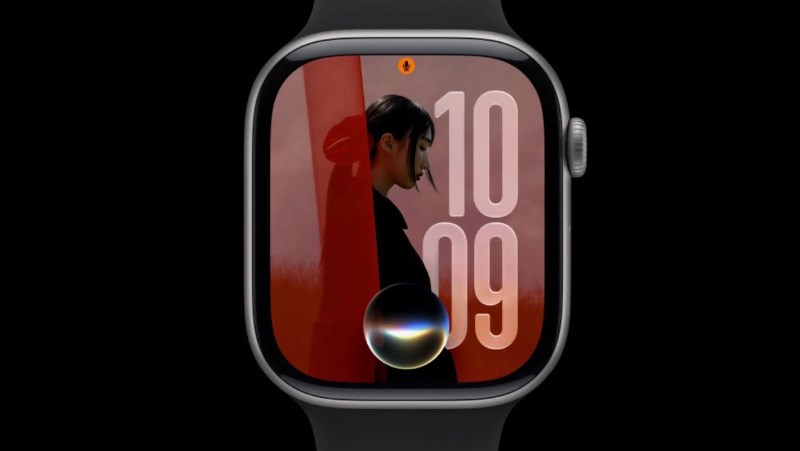
Apple launches watchOS 27 with Siri AI – Apple has officially unveiled watchOS 27, the latest major update for the smartwatch operating system powering the Apple Watch lineup, introducing a sweeping blend of artificial intelligence upgrades, deeper fitness tracking, and a refreshed visual design aimed at making the wearable experience feel more personal, intuitive, and responsive than ever before.
Positioned as one of the most ambitious Apple Watch software updates in years, watchOS 27 doesn’t just add new features—it reshapes how users interact with their wrist devices day to day. From a smarter, more conversational Siri to adaptive fitness coaching and a redesigned interface that feels lighter and more dynamic, Apple is clearly pushing its wearable platform further into the AI-driven future.
A Smarter Siri Built for the Wrist
At the heart of watchOS 27 is a significantly upgraded version of Siri, now infused with advanced on-device AI capabilities. Apple says the goal is to make Siri on Apple Watch feel less like a voice assistant and more like a proactive companion that understands context, habits, and intent.
Instead of requiring precise commands, users can now speak more naturally. For example, saying “I’m heading for a run but it’s hot outside” could prompt Siri to automatically suggest hydration reminders, adjust workout intensity targets, and even recommend a route with more shade based on weather data.
Siri in watchOS 27 also integrates more deeply with health and fitness data. If a user has been inactive for several hours, Siri may gently prompt a short walk, while also considering sleep patterns, heart rate trends, and recovery metrics before making suggestions. Apple emphasizes that all of this intelligence is processed with a strong focus on privacy, with much of the computation happening directly on-device.
Fitness Tools That Feel Like a Personal Coach
Fitness has always been central to the Apple Watch, but watchOS 27 takes it further by turning the device into something closer to a real-time personal trainer. The updated Fitness app introduces “Adaptive Training,” a feature that dynamically adjusts workout recommendations based on performance, fatigue levels, and long-term progress. Instead of static goals, users now get evolving targets that respond to how their body is actually performing.
For runners, watchOS 27 introduces improved pacing intelligence that factors in terrain, temperature, and historical performance. If a user starts too fast, the watch can gently intervene with haptic feedback and audio cues through connected AirPods.
Strength training also sees a major upgrade. Users can now track sets with improved automatic rep detection, while the system learns individual movement patterns over time to improve accuracy. Recovery tracking has been refined as well, offering clearer guidance on when to rest versus when to push harder.
Apple also introduced a new “Wellness Snapshot” feature, which compiles sleep quality, stress indicators, heart rate variability, and activity levels into a single morning summary. The aim is to help users understand not just how active they are, but how well they’re recovering overall.
A Redesigned Apple Watch Experience
watchOS 27 brings a subtle but meaningful redesign to the Apple Watch interface, focusing on clarity, fluidity, and personalization. Rather than overwhelming users with dense information, the new layout emphasizes modular “live cards” that adapt based on time, location, and behavior.
Widgets—now more deeply integrated into the system—update in real time and can expand or contract depending on relevance. For example, a weather widget might stay minimal during the day but expand with storm alerts if conditions change. Apple launches watchOS 27 with Siri AI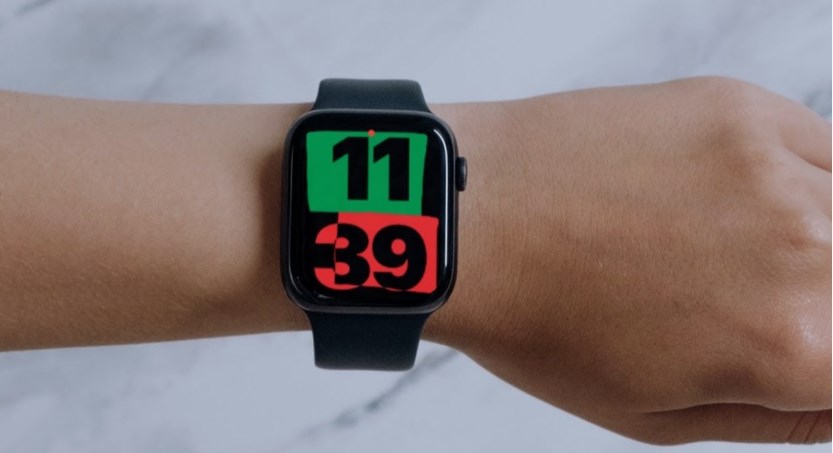
The Control Center has also been streamlined for faster access to frequently used tools like focus modes, connectivity toggles, and emergency settings. Animations are smoother and more responsive, designed to take advantage of newer Apple Watch hardware capabilities. Apple says the redesign is inspired by the idea that a smartwatch should feel “invisible until needed,” surfacing information only when it is truly useful.
Smarter Health Insights Without Overload
Health tracking remains a core pillar of watchOS 27, but Apple is clearly trying to reduce complexity while increasing insight. Instead of overwhelming users with raw metrics, the system now translates data into simplified guidance. For example, rather than just showing heart rate variability trends, the system may summarize them as “Your recovery is slightly below average today—consider a lighter workout.”
Sleep tracking is similarly refined, with clearer explanations of sleep stages and more actionable suggestions for improving rest quality. The update also expands cycle tracking, heart health notifications, and medication reminders, making the Apple Watch Ultra and other models even more central to personal health monitoring.
Developer Opportunities and Ecosystem Growth
Apple is also opening new tools for developers through updated APIs in watchOS 27. These allow third-party apps to tap into the new AI-assisted Siri layer, adaptive widgets, and real-time fitness signals. This means fitness apps, productivity tools, and even navigation services can become more context-aware. A running app could automatically adjust training plans based on recovery data, while a travel app might surface boarding reminders when it detects relevant location changes. By expanding these capabilities, Apple is reinforcing the Apple Watch as a platform rather than just a companion device. Apple launches watchOS 27 with Siri AI
Battery Efficiency and On-Device Intelligence
Despite the increased AI capabilities, Apple says watchOS 27 has been optimized for efficiency. Much of the new intelligence runs on-device using improved machine learning models designed specifically for low-power hardware. Background processing has been refined to reduce unnecessary activity, and the system now prioritizes tasks based on user behavior patterns. This allows for smarter performance without significantly impacting battery life—a key concern for wearable users.
Privacy Still at the Core
As with previous Apple software updates, privacy remains a central theme. Apple emphasizes that personal health data, voice input, and behavioral insights are processed securely, with minimal reliance on external servers. Sensitive data used by Siri and fitness features is stored locally whenever possible, and users are given clearer controls over what data is shared and how it is used. This continues Apple’s positioning of privacy as a differentiator in the wearable tech space.
A Step Toward a More Intelligent Wearable Future
With watchOS 27, Apple is signaling a clear direction for the future of wearables: less manual interaction, more contextual intelligence, and a stronger focus on holistic health understanding. The combination of AI-enhanced Siri, adaptive fitness coaching, and a redesigned interface suggests a shift from reactive device usage to proactive assistance. Instead of users constantly checking their watch, the watch increasingly anticipates what they need. While the update will likely evolve further in future iterations, watchOS 27 already represents a meaningful leap in how Apple Watch integrates into daily life. Apple launches watchOS 27 with Siri AI
Conclusion
watchOS 27 is more than just another software update—it’s a rethinking of what a smartwatch should be in an AI-driven era. By blending smarter assistance, deeper health insights, and a cleaner user experience, Apple is pushing the Apple Watch ecosystem closer to a vision where technology quietly supports users without overwhelming them. If successful, watchOS 27 could mark a turning point where wearables shift from being passive trackers to active, intelligent companions—always learning, always adapting, and increasingly aware of the person wearing them. Apple launches watchOS 27 with Siri AI
About the Author