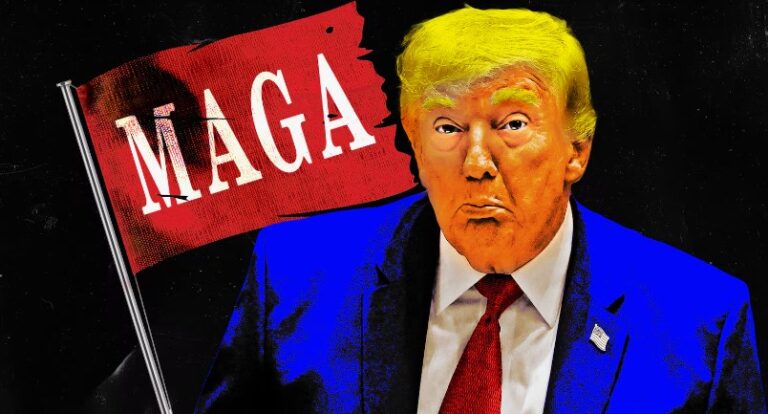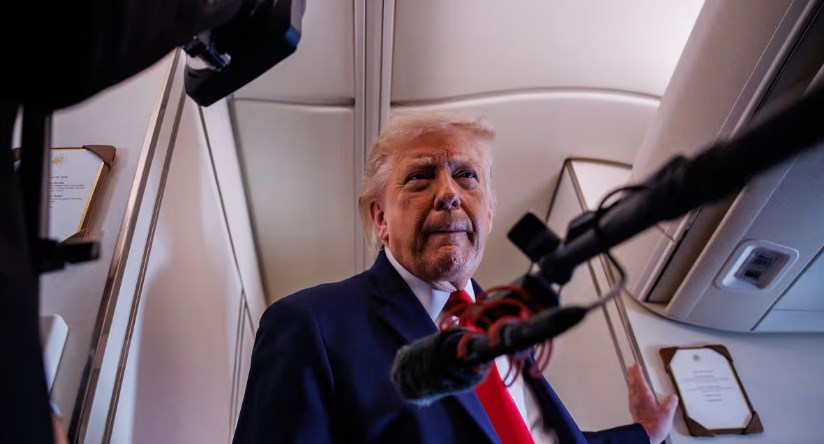
Trump pardons ex-Republican congressman. What was he convicted of? – President Donald Trump has once again used the broad powers of the presidency to grant clemency, this time issuing a full pardon to former Indiana Republican congressman Stephen Buyer. The decision has reignited debate over presidential pardons, political prosecutions, and accountability for public officials.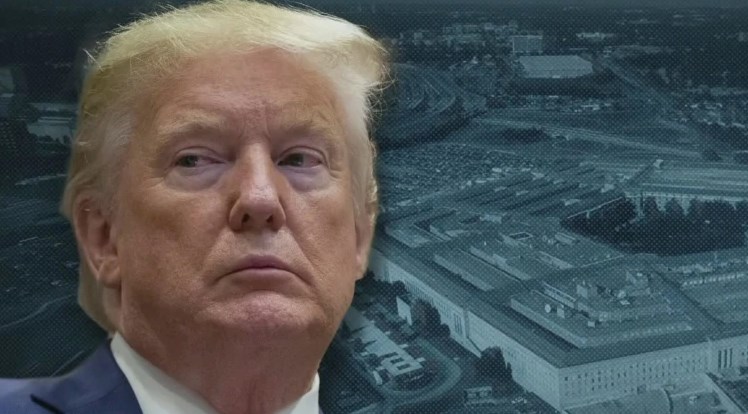
Buyer, who represented Indiana in Congress for nearly two decades, had been convicted of insider trading and securities fraud after federal prosecutors accused him of using confidential corporate information to make profitable stock trades. His conviction led to a prison sentence, financial penalties, and a lengthy legal battle that ultimately ended when Trump stepped in with a pardon. The move has drawn praise from Buyer’s supporters, who argue he was unfairly targeted, while critics say it undermines efforts to hold powerful individuals accountable for financial crimes.
Who Is Stephen Buyer?
Stephen Buyer served as a Republican member of the U.S. House of Representatives from 1993 until 2011. During his time in Congress, he built a reputation as a conservative lawmaker and was involved in several high-profile political issues. Before entering politics, Buyer served in the U.S. Army and later worked as a judge advocate general. Following his departure from Congress, he transitioned into the private sector, working as a consultant and lobbyist.
For years, Buyer maintained a relatively low profile after leaving public office. However, his name returned to national headlines when federal investigators accused him of profiting from confidential information obtained through his consulting work. Trump pardons ex-Republican congressman
The Insider Trading Allegations
Federal prosecutors alleged that Buyer used non-public information obtained through his professional relationships to make stock trades ahead of major corporate announcements. According to prosecutors, one of the key incidents involved the merger between telecommunications giants Sprint Corporation and T-Mobile US. Authorities said Buyer learned about details of the multibillion-dollar merger before the information became public and then purchased shares that increased in value once the deal was announced. Trump pardons ex-Republican congressman
Investigators also pointed to trades involving consulting company Navigant Consulting, which was later acquired by Guidehouse. Prosecutors argued that Buyer used confidential information regarding that acquisition to generate additional profits before the public announcement. The government claimed that these trades resulted in hundreds of thousands of dollars in illegal gains and represented a clear violation of federal securities laws.
Conviction and Sentencing
In 2023, a federal jury found Buyer guilty on multiple counts of securities fraud related to insider trading activities. Prosecutors successfully argued that he had exploited privileged information obtained through his business relationships rather than through legitimate market analysis.
Following the conviction, Buyer was sentenced to 22 months in federal prison. In addition to incarceration, he was ordered to forfeit more than $350,000 in profits that prosecutors said were linked to the illegal trades and pay a financial penalty.
The sentence marked a dramatic fall for a former congressman who had once held a position of public trust. Buyer consistently denied wrongdoing throughout the legal proceedings. He argued that the government’s case was flawed and maintained that his trades were lawful. Despite his objections, the conviction remained in place after multiple appeals. His effort to have the case reviewed by the U.S. Supreme Court was ultimately unsuccessful.
Why Did Trump Grant the Pardon?
The White House described Buyer’s military and congressional service as “distinguished and highly productive” when announcing the pardon. Trump granted what was described as a full, complete, and unconditional pardon. Supporters of Buyer had mounted a campaign urging the president to intervene. Former Republican lawmakers and several current members of Congress sent letters advocating for clemency, arguing that Buyer had been treated unfairly by prosecutors.
Some of those supporters claimed Buyer had become a victim of politically motivated prosecution, a characterization that echoed Trump’s frequent criticism of the Justice Department and federal law enforcement agencies. Buyer welcomed the pardon, saying it corrected what he viewed as an unjust prosecution. He continued to maintain his innocence and insisted that he never committed the crimes for which he was convicted. Trump pardons ex-Republican congressman
The Broader Debate
Presidential pardons have long been among the most powerful tools available to a U.S. president. The Constitution gives presidents broad authority to forgive federal crimes, often without requiring approval from Congress or the courts. Supporters of pardons argue they provide a necessary safeguard against unfair prosecutions, excessive punishments, or miscarriages of justice. Critics, however, contend that pardons can sometimes undermine public confidence in the legal system, particularly when they involve political allies or individuals with strong connections to those in power.
Trump’s decision to pardon Buyer fits into a broader pattern of high-profile clemency actions that have attracted both support and controversy. During his political career, Trump has frequently argued that some prosecutions are politically motivated and that executive clemency can be used to correct perceived injustices. Opponents counter that the jury verdict, prison sentence, and failed appeals demonstrated that Buyer’s case had already undergone extensive judicial review. They argue that overturning the consequences of a securities fraud conviction sends the wrong message about accountability in financial markets.
What Happens Next?
Although the pardon removes the legal penalties associated with Buyer’s federal conviction, it does not erase the historical record of the case. Presidential pardons forgive crimes and restore certain rights, but they do not eliminate the fact that a conviction occurred. For Stephen Buyer, the pardon closes a chapter that transformed him from a longtime congressman and military veteran into a convicted white-collar defendant and, ultimately, a recipient of presidential clemency.
For the broader public, the decision serves as another reminder of the immense power presidents possess through the pardon process—a power that can reshape lives, alter legal outcomes, and spark fierce political debate long after a court case has ended. Trump pardons ex-Republican congressman
About the Author