FIFA will allow disposable water bottles at 2026 World Cup games after backlash
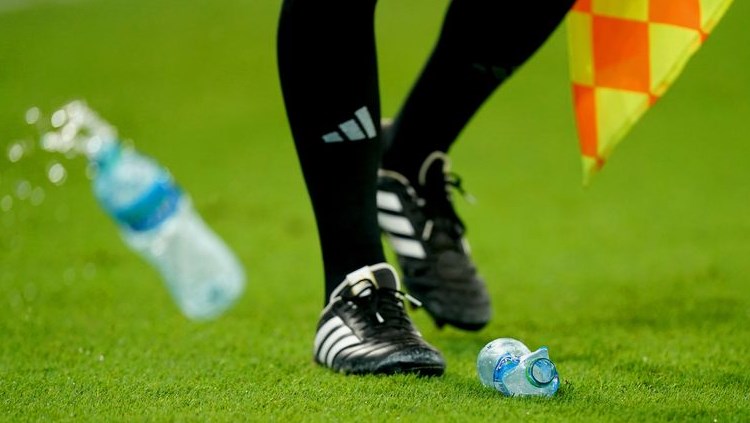
FIFA will allow disposable water bottles at 2026 World Cup games after backlash – As excitement builds for the 2026 FIFA World Cup, organizers have found themselves navigating an unexpected controversy that has little to do with football and everything to do with hydration. Following widespread criticism from fans, supporter groups, and player advocates, FIFA has reportedly decided to allow disposable water bottles inside stadiums during the 2026 World Cup, reversing an earlier position that would have restricted their use. The decision highlights the complex balancing act between sustainability goals, fan comfort, and public health concerns at one of the world’s largest sporting events.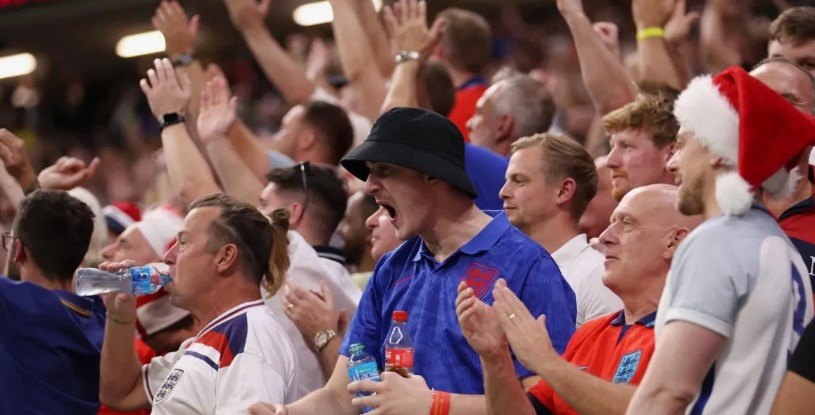
The tournament, which will be hosted jointly by the United States, Canada, and Mexico, is expected to be the biggest World Cup in history. With 48 teams participating and millions of spectators attending matches across North America, ensuring a safe and comfortable experience for fans has become a top priority.
A Sustainability Plan Meets Reality
Initially, FIFA and local organizers had explored stricter environmental measures for the tournament. Among the proposals were limits on single-use plastics, including disposable water bottles, as part of a broader effort to reduce the environmental footprint of the month-long event. The idea aligned with growing global pressure on major sporting events to embrace sustainability. Large tournaments generate enormous amounts of waste, and environmental groups have increasingly urged organizations like FIFA to take stronger action against plastic pollution.
Officials hoped that fans would instead rely on refillable bottles and water refill stations located throughout stadiums and fan zones. On paper, the concept seemed reasonable. Encouraging reusable containers could significantly reduce waste while promoting environmentally responsible behavior among spectators. However, the practical challenges quickly became apparent.
Fans Raise Concerns
As details of the proposed restrictions emerged, concerns spread rapidly across social media platforms and supporter forums. Many fans questioned whether refill stations would be sufficient to serve tens of thousands of people attending matches simultaneously. Long lines, limited access points, and potential shortages became recurring concerns. Others pointed to the unique circumstances of the 2026 World Cup. Several host cities are expected to experience intense summer heat, with temperatures capable of climbing well above comfortable levels.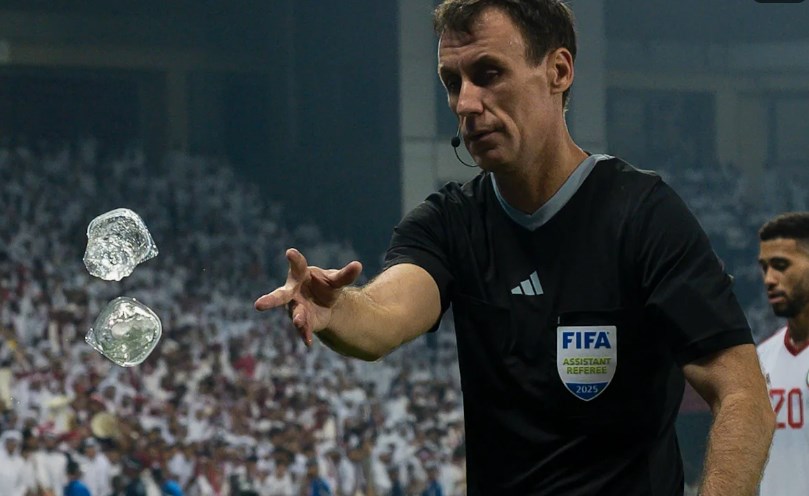
Supporters argued that easy access to water should never be compromised, especially at outdoor venues where spectators may spend hours in direct sunlight before, during, and after matches. Some fans also noted that international visitors unfamiliar with stadium layouts might struggle to locate refill stations quickly. The criticism was not limited to spectators. Health experts and event planners emphasized that hydration is a public safety issue, not merely a convenience. Restricting readily available drinking water, they argued, could increase the risk of heat-related illnesses among attendees. As the debate gained momentum, pressure mounted on FIFA to reconsider its approach.
Heat Concerns Take Center Stage
The issue became particularly sensitive because of the tournament’s North American locations. Several host cities—including venues in the southern United States and parts of Mexico—are known for hot summer conditions. Even northern locations can experience unexpected heat waves during June and July, when the World Cup will take place. The 2026 tournament is expected to attract record-breaking attendance figures, meaning stadiums will often be filled to capacity. FIFA will allow disposable water bottles at 2026 World Cup games after backlash
Experts have repeatedly warned that large crowds combined with high temperatures can create dangerous conditions if hydration options are not readily available. Recent sporting events around the world have highlighted the importance of heat management. Organizers increasingly provide cooling stations, shaded areas, and expanded access to drinking water as part of modern event safety planning. Against this backdrop, limiting disposable water bottles began to appear less like an environmental initiative and more like a potential health risk in the eyes of many critics.
FIFA Listens
Faced with growing opposition, FIFA ultimately opted to revise its stance. The governing body now plans to allow disposable water bottles at World Cup matches, ensuring spectators have easier access to drinking water throughout the tournament. While sustainability remains a priority, officials appear to have concluded that fan welfare must come first. The change has largely been welcomed by supporters, many of whom viewed the original proposal as impractical given the scale of the event.
Fan organizations praised FIFA for responding to concerns rather than rigidly adhering to a policy that could have created unnecessary complications. The decision demonstrates how major sporting bodies increasingly face pressure to remain flexible and responsive to public feedback. In today’s interconnected world, fans can quickly organize online campaigns and amplify concerns on a global scale. Organizations that fail to listen often face significant reputational damage. In this case, FIFA appears to have recognized the importance of adapting before the issue escalated further.
Balancing Sustainability and Convenience
The reversal does not mean FIFA is abandoning its environmental commitments. Instead, organizers are expected to pursue a more balanced approach that combines accessibility with sustainability initiatives. Recycling programs will likely play a major role in managing disposable bottle waste during the tournament. Host cities are expected to expand recycling infrastructure around stadiums, transportation hubs, and fan zones. Organizers may also encourage the use of bottles made from recycled materials or implement collection systems designed to maximize recycling rates.
In addition, refill stations are still expected to be widely available for spectators who prefer reusable bottles. This hybrid strategy allows FIFA to support environmental goals without creating barriers to hydration. Many sustainability experts acknowledge that successful environmental policies often require flexibility. Measures that are perceived as inconvenient or unrealistic can sometimes generate resistance, reducing their overall effectiveness. By offering multiple options, organizers hope to encourage environmentally friendly behavior while maintaining a positive fan experience. FIFA will allow disposable water bottles at 2026 World Cup games after backlash
Lessons for Future Sporting Events
The water bottle controversy may seem minor compared to the drama that unfolds on the pitch, but it reflects a broader challenge facing major international events. Sports organizations are under increasing pressure to reduce their environmental impact while simultaneously delivering safe, accessible, and enjoyable experiences for millions of attendees. Those goals do not always align perfectly.
The 2026 World Cup serves as a reminder that sustainability initiatives must account for real-world conditions, including climate, crowd size, infrastructure limitations, and public health requirements. Fans generally support environmentally responsible policies, but they also expect practical solutions that do not compromise comfort or safety. Finding that balance will become increasingly important as global temperatures rise and sporting events face greater scrutiny regarding both environmental practices and heat-related risks.
Looking Ahead to 2026
With two years remaining before kickoff, organizers continue refining plans for what promises to be the largest World Cup ever staged. The tournament will span three countries, feature an expanded field of nations, and welcome millions of visitors from around the globe. While debates about water bottles may not capture headlines like star players or championship predictions, they highlight the enormous logistical challenges involved in hosting an event of this magnitude.
For fans, FIFA’s decision provides reassurance that access to drinking water will remain straightforward during matches, particularly in potentially hot conditions. For organizers, it offers an important lesson in balancing ambitious sustainability goals with the practical realities of serving massive crowds.
As preparations continue, the focus will increasingly shift toward creating a tournament that is not only memorable on the field but also comfortable, safe, and welcoming for everyone who attends. In the end, ensuring that fans can stay hydrated may be one of the simplest—and most important—victories of all. FIFA will allow disposable water bottles at 2026 World Cup games after backlash
About the Author