Segway Myon Electric Bike – The Segway Myon Electric Bike is one of those modern mobility concepts that feels like it sits right at the intersection of practicality, sustainability, and everyday convenience. In a world where cities are getting more crowded, fuel prices keep shifting, and people are increasingly looking for cleaner ways to move around, electric bikes like the Segway Myon are quietly becoming more than just a trend—they’re becoming a lifestyle shift.
At first glance, the Segway Myon Electric Bike looks like a sleek, minimal commuter bike. But beneath its clean design is a thoughtful blend of engineering choices aimed at making short and medium-distance travel easier, cheaper, and more enjoyable. It’s not trying to replace cars entirely. Instead, it focuses on something more realistic: replacing those short daily trips where a car feels unnecessary but walking feels too slow or tiring.
A modern take on urban commuting
The Segway Myon is designed with urban riders in mind. Think about the average city routine—going to work, stopping by a café, running quick errands, or meeting friends a few kilometers away. These are exactly the kinds of trips where an electric bike makes the most sense.
What makes the Myon appealing is how it simplifies movement. You don’t need to worry about fuel stops, parking stress, or heavy maintenance schedules. You just charge it, hop on, and go. The electric assist system helps flatten hills, reduce fatigue, and make longer rides feel manageable even for casual cyclists.
This is where the reputation of Segway-Ninebot comes into play. Known globally for its personal transportation innovations, the company has spent years refining electric mobility systems—from scooters to self-balancing devices—and that experience shows in how its bikes are designed for usability rather than complexity.
Design that balances simplicity and function
One of the most noticeable aspects of the Segway Myon Electric Bike is its clean, functional design. It doesn’t try to overwhelm with unnecessary features or futuristic gimmicks. Instead, it focuses on a balanced frame geometry, integrated components, and a user-friendly interface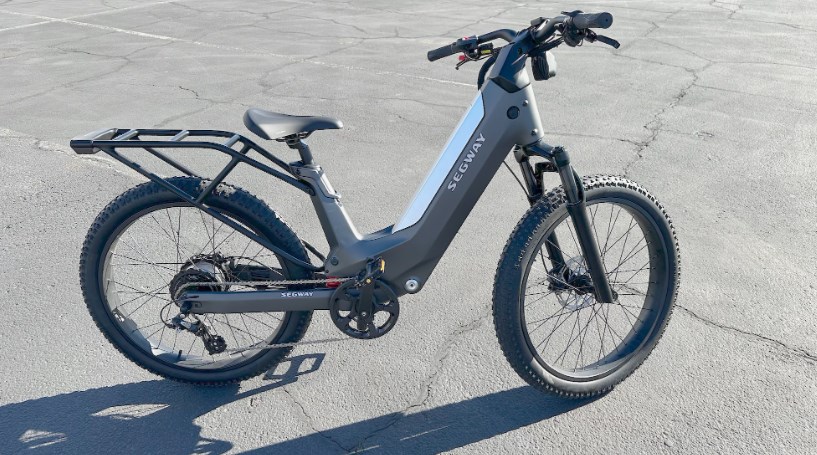
The frame is typically lightweight yet sturdy, making it suitable for city riders who may need to carry or maneuver the bike in tight spaces. Many riders appreciate electric bikes that feel stable at higher speeds but still easy to control when navigating narrow streets or crowded sidewalks.
The battery is integrated in a way that doesn’t disrupt the overall aesthetics. Instead of looking like an add-on, it blends into the frame, reinforcing the idea that this is a unified machine rather than a traditional bike upgraded with electric parts.
Electric performance that supports everyday life
At the heart of the Segway Myon is its electric assist system. While exact specifications may vary depending on the market version, the general goal remains the same: to provide smooth and responsive assistance that feels natural rather than forced. Riders can typically choose between different assist levels, allowing them to decide how much effort they want to contribute. On flatter roads, lower assistance can help extend battery life, while higher assistance modes make uphill climbs or longer commutes much easier. Segway Myon Electric Bike
The motor is tuned to deliver steady acceleration rather than sudden bursts of power. This is especially important for new riders who may not be familiar with electric bikes. Instead of feeling like a vehicle that “jumps” forward, the Myon aims for a controlled, predictable riding experience. Battery life is another key consideration. For daily commuters, the goal is usually to complete round trips without constant recharging. While real-world range depends on terrain, rider weight, and assist level, the Myon is built to handle typical urban commuting needs comfortably.
Comfort matters more than speed
Unlike performance-focused bikes designed for speed enthusiasts, the Segway Myon prioritizes comfort. The seating position is generally upright, reducing strain on the back and shoulders during longer rides. This makes it especially appealing for people who may not be hardcore cyclists but still want a reliable transportation option.
The tires are designed to handle mixed urban surfaces—smooth roads, occasional bumps, and minor uneven patches. Suspension systems, where included, help absorb vibrations so the ride feels less harsh, especially on older city roads that aren’t perfectly maintained.
Comfort also extends to usability. The controls are intuitive, often displayed through a simple digital interface that shows speed, battery level, and assist mode. There’s no need to dig through complicated settings or menus while riding.
A practical step toward sustainable transportation
One of the biggest advantages of electric bikes like the Segway Myon is their environmental impact. While they still require electricity, their carbon footprint is significantly lower compared to cars or motorcycles. In densely populated cities, even small shifts toward electric micromobility can reduce traffic congestion and pollution levels. If more people replace short car trips with electric bike rides, the collective impact can be substantial over time.
This aligns with a broader global trend toward greener transportation alternatives. Cities around the world are investing in bike lanes, micro-mobility infrastructure, and shared electric transport systems to encourage cleaner commuting habits.
Everyday use and real-world practicality
Where the Segway Myon really shines is in its day-to-day practicality. It’s the kind of bike that fits into real routines rather than demanding lifestyle changes. For office workers, it can replace short car or bus commutes. For students, it can make traveling across campus or between neighborhoods much easier. For casual riders, it provides a way to explore the city without physical exhaustion. Segway Myon Electric Bike
Charging is typically straightforward—just plug it in at home or work. Many users treat it like charging a laptop or smartphone: something they do overnight or between rides without much thought. Maintenance is also simpler compared to traditional vehicles. With fewer moving parts than a car or scooter, electric bikes generally require less frequent servicing, which adds to their long-term affordability.
Challenges and considerations
Of course, no product is perfect. Electric bikes like the Segway Myon still face challenges. Battery degradation over time is a reality, meaning performance may gradually decline after years of use. Weather conditions can also affect riding comfort and battery efficiency.
Security is another concern. Because electric bikes are valuable, they can be targets for theft if not properly locked or stored. Riders often need to invest in strong locks or indoor storage solutions. Additionally, while electric bikes reduce physical effort, they still require some level of rider awareness and responsibility, especially in traffic-heavy environments.
A glimpse into the future of commuting
The Segway Myon Electric Bike represents more than just a transportation device—it reflects a shift in how people think about mobility. Instead of relying solely on cars or public transportation, more individuals are embracing flexible, personal, and eco-friendly options. As cities continue to evolve, bikes like the Myon are likely to become even more common. Improvements in battery technology, charging infrastructure, and urban planning will only strengthen their role in daily life. Segway Myon Electric Bike
In the end, the appeal of the Segway Myon isn’t just about technology. It’s about freedom—the ability to move through a city efficiently, affordably, and with less environmental impact. It’s about making transportation feel less like a burden and more like a simple, enjoyable part of the day. And in that sense, the Segway Myon Electric Bike isn’t just a product. It’s a small but meaningful step toward the future of how we all move.
About the Author