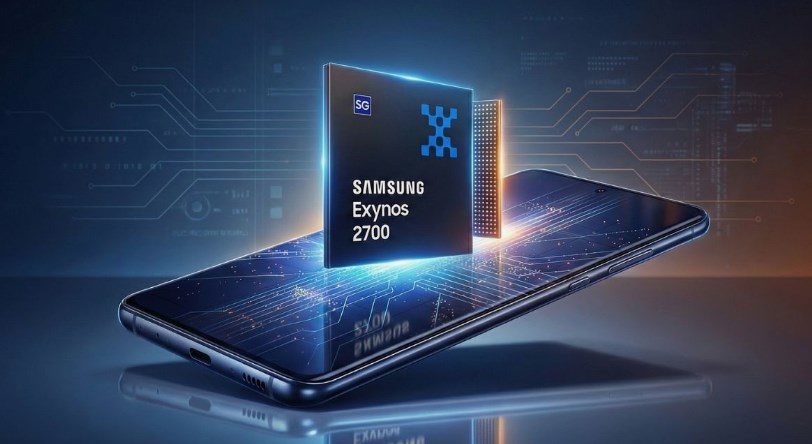
Samsung Galaxy S27 could finally shed the laggard chip image with next-gen Exynos chip – Samsung could be preparing a major comeback for its Exynos processors, and the upcoming Galaxy S27 series may be where the company finally proves that its in-house chips deserve more respect. For years, Exynos has struggled to escape comparisons with Qualcomm’s Snapdragon processors, particularly when it comes to gaming performance, power efficiency, and heat management. While Samsung has continued improving its semiconductor technology, the gap between its own chips and competing flagship processors has remained a frequent topic among smartphone enthusiasts.
The Galaxy S27 lineup could offer Samsung another opportunity to change that perception. Although the company has not officially confirmed the specifications of its next flagship phones, reports and industry discussions suggest that a new-generation Exynos processor could play an important role in its future smartphone strategy. If Samsung manages to deliver meaningful improvements, the Galaxy S27 could become a turning point for a chip family that has spent years trying to overcome its reputation.
Of course, expectations should remain realistic. A promising processor on paper does not automatically translate into a better smartphone experience. Samsung will need to demonstrate that its next Exynos chip can compete consistently with rival silicon in everyday tasks, demanding games, photography, and battery life. Until official specifications and independent tests become available, the Galaxy S27’s potential remains an exciting possibility rather than a confirmed success story.
Samsung’s Exynos Reputation Has Been Difficult to Shake
Samsung has a long history of developing its own mobile processors under the Exynos brand. These chips have powered various Galaxy smartphones over the years, allowing the company to reduce its dependence on outside suppliers and maintain greater control over its hardware ecosystem. In principle, developing processors internally gives Samsung more freedom to optimize performance, manage costs, and integrate hardware with its software.
However, Exynos has not always delivered the consistency expected from a premium smartphone processor. Some previous generations attracted criticism for running hotter, consuming more power, or delivering weaker sustained performance than comparable Snapdragon chips. These differences were particularly noticeable in demanding games and other workloads that placed prolonged pressure on the processor. Samsung Galaxy S27 could finally shed the laggard chip image with next-gen Exynos chip
The situation also became frustrating for consumers when Samsung sold different versions of the same Galaxy flagship in different regions. Depending on the model and market, buyers could receive either an Exynos-powered phone or a Snapdragon version. Even when the devices looked identical, differences in performance and battery efficiency sometimes influenced purchasing decisions and online comparisons.
That history has created a perception problem that Samsung cannot solve through marketing alone. Smartphone enthusiasts want measurable improvements, not just promises about faster processing or more advanced manufacturing. To change the conversation, the next Exynos generation will need to show clear advantages or, at the very least, deliver performance that matches its leading competitors across a wide range of real-world situations.
A Next-Generation Exynos Chip Could Change the Conversation
The processor expected to power at least some future Galaxy flagships will be under considerable scrutiny. Samsung’s challenge is not simply to increase benchmark scores but to build a chip that performs reliably without draining the battery or producing excessive heat. Those factors matter because flagship smartphones must handle increasingly demanding applications while remaining comfortable to use throughout the day.
Manufacturing technology could play an important role in that effort. More advanced semiconductor processes can potentially improve transistor density, performance, and energy efficiency. However, the results depend on the overall chip design, manufacturing quality, power management, and thermal limitations of the finished smartphone. A smaller manufacturing process alone does not guarantee that a processor will outperform every competing design.
Samsung will also need to balance its processor’s central processing unit, graphics capabilities, and artificial intelligence hardware. Modern smartphones rely on all three for different tasks, from opening applications and editing photos to running AI-powered features directly on the device. A well-balanced design could deliver a smoother experience without requiring the processor to operate at maximum power constantly.
If Samsung gets these elements right, the next Exynos chip could help restore confidence in the brand. Better sustained performance and more predictable battery consumption would be especially important for Galaxy users who have questioned whether Samsung’s in-house silicon belongs in its most expensive smartphones. Still, the precise architecture, manufacturing process, and performance targets of the Galaxy S27 processor must be confirmed before its capabilities can be judged fairly.
Graphics, Gaming, and Heat Will Be Major Tests
Gaming is one area where the next Exynos processor could face its toughest examination. High-end mobile games demand substantial graphics power, and users expect stable frame rates even during extended sessions. A phone that performs impressively for a few minutes but slows down as it heats up can quickly lose its appeal, especially when competing devices maintain more consistent performance.
Samsung therefore needs to focus on sustained graphics performance rather than short benchmark bursts. Improvements to the graphics processing unit, memory bandwidth, and thermal management could help the Galaxy S27 handle demanding titles more effectively. Better optimization between the processor, graphics hardware, and software would also make a difference, particularly in games designed to take advantage of flagship-level components.
Heat management is equally important outside gaming. Recording high-resolution video, editing large files, navigating with GPS, and running AI tools can all place pressure on a smartphone’s processor. If the chip consumes less power while completing these tasks, it could help the phone remain cooler and preserve battery life. That would be a practical improvement users could notice without looking at a single benchmark.
Nevertheless, the processor is only part of the equation. The phone’s cooling system, internal layout, software optimization, and ambient temperature all influence real-world performance. Even a powerful chip can struggle if the surrounding hardware cannot dissipate heat effectively. Samsung will need to combine improvements in silicon with thoughtful device engineering to deliver the experience Galaxy S27 buyers expect.
Battery Life and AI Could Become Key Advantages
Battery efficiency may prove just as important as raw speed. Most smartphone users care less about achieving the highest benchmark score than about making it through a full day without constantly searching for a charger. A more efficient Exynos processor could help Samsung improve that everyday experience, particularly for people who use their phones heavily for messaging, photography, streaming, navigation, and productivity. Samsung Galaxy S27 could finally shed the laggard chip image with next-gen Exynos chip
A processor that handles routine tasks efficiently can also reduce unnecessary power consumption when maximum performance is not required. Intelligent power management can adjust how much processing power different applications receive, helping balance responsiveness with battery life. Combined with software improvements, this could make a future Galaxy flagship feel more dependable throughout the day.
Artificial intelligence is another area receiving increasing attention from smartphone manufacturers. Modern flagship devices are expected to support features such as image editing, voice assistance, language processing, and other AI-powered tools. Dedicated neural processing hardware can accelerate supported tasks while potentially reducing the need to send certain information to cloud servers.
For Samsung, stronger AI capabilities could help distinguish the Galaxy S27 beyond conventional speed improvements. However, the usefulness of these features will depend on how well they are integrated into the operating system and whether they provide meaningful benefits in daily use. More advanced AI hardware will not automatically make a phone better if the software remains inefficient or the features are rarely useful.
Can the Galaxy S27 Finally Make Exynos Competitive?
The Galaxy S27 could represent an important test of Samsung’s long-term semiconductor ambitions. Developing its own processors gives the company greater control over its flagship hardware, but that advantage only matters if the finished products satisfy customers. Samsung must show that Exynos can deliver reliable performance, efficient power consumption, strong graphics, and competitive AI capabilities without compromising the overall smartphone experience.
Pricing and regional availability will also influence how consumers judge the lineup. If Samsung uses its next-generation Exynos chip in selected markets while offering Snapdragon versions elsewhere, comparisons between the devices are likely to continue. Ideally, buyers should receive a consistently excellent experience regardless of where they purchase their Galaxy flagship.
It is also worth remembering that smartphone processors are becoming increasingly competitive across the industry. Qualcomm, Apple, and other chip designers continue investing in performance, efficiency, graphics, and AI. Samsung cannot rely on a single successful generation to erase years of criticism. It will need to demonstrate consistent progress across multiple products before the Exynos brand completely changes its image. Samsung Galaxy S27 could finally shed the laggard chip image with next-gen Exynos chip
For now, the Galaxy S27 remains a product to watch rather than a confirmed breakthrough. A next-generation Exynos chip could finally help Samsung close the gap with rival processors, but the real test will come when retail devices are available for independent evaluation.
If Samsung delivers meaningful gains in performance, cooling, battery efficiency, and AI processing, the Galaxy S27 could become more than another annual flagship refresh. It could be the moment Exynos begins earning renewed confidence from skeptical buyers. Until then, the strongest reason for optimism is the possibility of improvement, while the final verdict will depend on what Samsung actually delivers.
About the Author