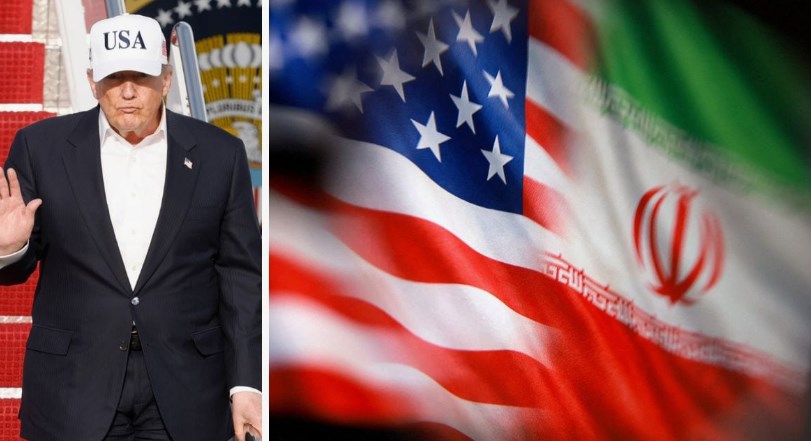
Trump ends Iran meeting without announcing ‘final determination’ on deal – President Donald Trump wrapped up a closely watched White House meeting on Iran without delivering the “final determination” he had promised earlier in the day, leaving diplomats, financial markets, and U.S. allies wondering what comes next in the fragile negotiations between Washington and Tehran.
The high-stakes meeting, held in the White House Situation Room, lasted roughly two hours and included top national security advisers as the administration weighed whether to move forward with a tentative agreement aimed at easing tensions with Iran. Before entering the meeting, Trump had publicly signaled that a major announcement could be imminent, raising expectations that the United States and Iran were nearing a breakthrough after months of escalating conflict and difficult diplomacy.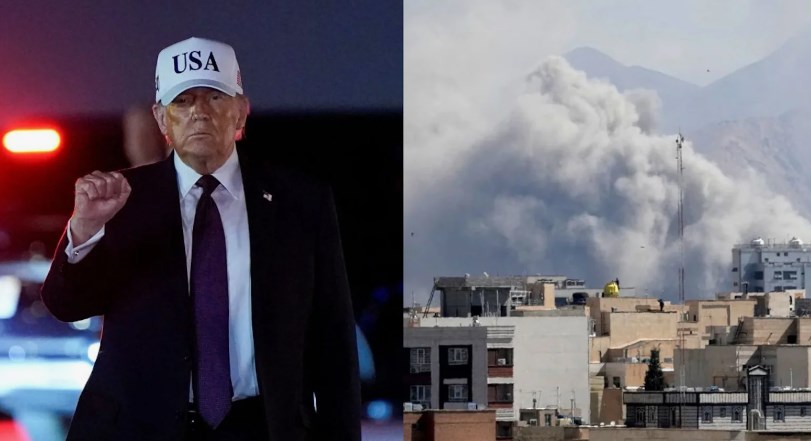
Instead, the meeting ended quietly, without a final agreement or a public declaration from the president. Administration officials later confirmed that discussions had concluded but stopped short of saying whether Trump approved the proposed deal.
The uncertainty immediately fueled speculation across political circles and international markets. Oil prices, which have swung wildly during the recent crisis in the Middle East, dropped sharply as traders interpreted the lack of a decision as a sign that negotiations remain alive, even if unresolved. Meanwhile, investors on Wall Street appeared cautiously optimistic that diplomacy had not completely collapsed.
At the center of the talks is a tentative framework that could extend a ceasefire between the United States and Iran while reopening the Strait of Hormuz, one of the world’s most strategically important shipping lanes. The narrow waterway carries a significant portion of global oil exports, and fears of disruption there have rattled the global economy for weeks.
Trump had earlier outlined several demands he wanted Iran to accept before any deal could move forward. Those conditions reportedly included a commitment from Tehran to never develop nuclear weapons, the removal of sea mines from the Strait of Hormuz, and permission for the United States to oversee the destruction or removal of Iran’s enriched uranium stockpile.
But while Trump projected confidence publicly, Iranian officials pushed back strongly against suggestions that an agreement had already been reached. Tehran insisted negotiations were still ongoing and denied that it had accepted Washington’s terms. That disconnect highlighted the deep mistrust that continues to define relations between the two countries.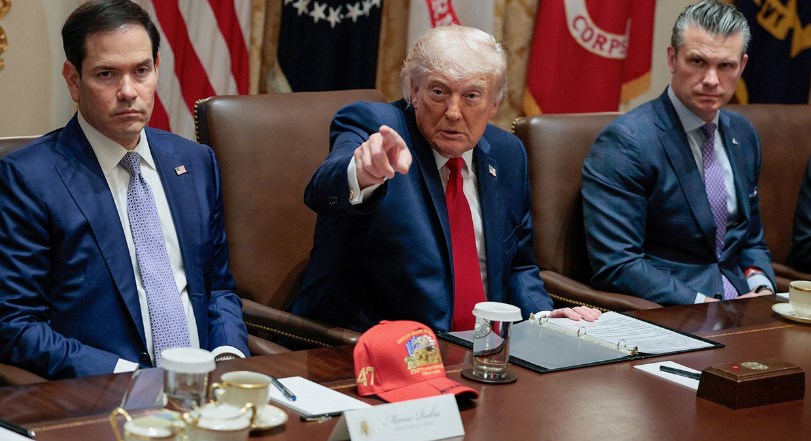
For Trump, the negotiations represent one of the most consequential foreign policy challenges of his presidency. The administration has tried to project strength while also presenting Trump as the dealmaker capable of ending a dangerous regional conflict. Yet the president now finds himself balancing competing pressures from hawkish allies demanding a tougher stance on Iran and advisers who warn that a prolonged confrontation could destabilize global energy markets and drag the United States deeper into another Middle East crisis. Trump ends Iran meeting without announcing ‘final determination’ on deal
According to reports, one major sticking point involves how sanctions relief and humanitarian funds would be handled under any future agreement. Iran is reportedly seeking broader economic concessions, while the White House insists any deal must satisfy Trump’s “red lines” on nuclear restrictions and regional security. Another contentious issue centers on Iran’s enriched uranium stockpile. Trump has reportedly demanded that the material either be removed or destroyed under international supervision, a condition Tehran appears reluctant to accept. Iranian leaders have repeatedly argued that their nuclear program is intended for peaceful purposes and that surrendering strategic assets under U.S. pressure would undermine national sovereignty.
The broader geopolitical stakes are enormous. The recent conflict between the U.S. and Iran has already shaken the region, drawing in neighboring countries and raising fears of a wider war. Although a ceasefire has largely held in recent weeks, tensions remain high, particularly around shipping routes in the Persian Gulf. Even temporary disruptions in the Strait of Hormuz can send oil prices soaring worldwide, affecting everything from gasoline costs to inflation and global supply chains.
That explains why international observers were paying such close attention to Friday’s meeting. A finalized agreement could potentially reduce immediate military risks and stabilize energy markets. Failure, however, could reopen the door to renewed confrontation. Despite the uncertainty, Trump appeared eager to portray the negotiations as progress. On social media before the meeting, he suggested the U.S. and Iran were close to an arrangement that would dramatically reshape the standoff. But critics quickly pointed out that the administration has repeatedly hinted at breakthroughs without producing a completed agreement.
Some analysts believe the president may be deliberately keeping negotiations open-ended to maintain leverage over Iran while also calming nervous markets. Others argue that the lack of a final decision reflects deep divisions inside the administration itself about how far the U.S. should go in compromising with Tehran. Public reaction has also been sharply divided. Supporters of the administration say Trump is right to avoid rushing into a deal that does not fully address Iran’s nuclear ambitions. They argue that previous agreements failed to permanently stop Tehran from expanding its influence and weapons capabilities. Trump ends Iran meeting without announcing ‘final determination’ on deal
Critics, meanwhile, accuse the administration of creating confusion through dramatic announcements followed by uncertainty. Online reactions ranged from skepticism to frustration, with many observers questioning whether a comprehensive deal is realistically achievable given the wide gap between U.S. and Iranian demands. For now, the talks remain in limbo. Neither Washington nor Tehran has formally walked away from negotiations, but neither side appears ready to concede on the most sensitive issues. Officials on both sides continue to use cautious language, emphasizing that discussions are ongoing while avoiding commitments about when or whether a final agreement will emerge.
The outcome could shape not only the future of U.S.-Iran relations but also the political fortunes of the Trump administration ahead of upcoming elections. A successful diplomatic breakthrough could allow Trump to claim a major foreign policy victory. On the other hand, a collapse in talks could trigger renewed military tensions and fresh economic uncertainty at a time when global markets are already under pressure. As the world waits for the next move, one thing is clear: despite the dramatic buildup surrounding the White House meeting, the path toward an Iran deal remains far from settled. Trump may have promised a “final determination,” but after two hours behind closed doors, the biggest questions are still unanswered. Trump ends Iran meeting without announcing ‘final determination’ on deal
About the Author