New Snapdragon chip could allow Galaxy Book to beat MacBook Neo – For years, Apple’s MacBook lineup has been the benchmark for premium laptops. The company’s transition from Intel processors to its own Apple Silicon chips transformed the market, delivering impressive performance, excellent battery life, and seamless integration between hardware and software. Competitors have been trying to catch up ever since.
Now, Qualcomm may be preparing its strongest response yet. A new Snapdragon chip currently rumored to be in development could give Samsung’s Galaxy Book laptops the power they need to challenge—and potentially surpass—the highly anticipated MacBook Neo.
While details remain limited, early reports suggest that Qualcomm’s next-generation Snapdragon processor could bring significant improvements in performance, efficiency, and artificial intelligence capabilities. If those expectations become reality, Samsung’s future Galaxy Book models may emerge as serious contenders in the premium laptop space.
A New Chapter for Windows Laptops
The Windows laptop ecosystem has undergone a major transformation over the past few years. Traditional x86 processors from Intel and AMD continue to dominate, but ARM-based computing is becoming increasingly important. Apple proved that ARM chips can deliver exceptional performance while maintaining outstanding battery life. This success encouraged companies like Qualcomm to accelerate their own efforts in developing powerful ARM-based processors for Windows devices.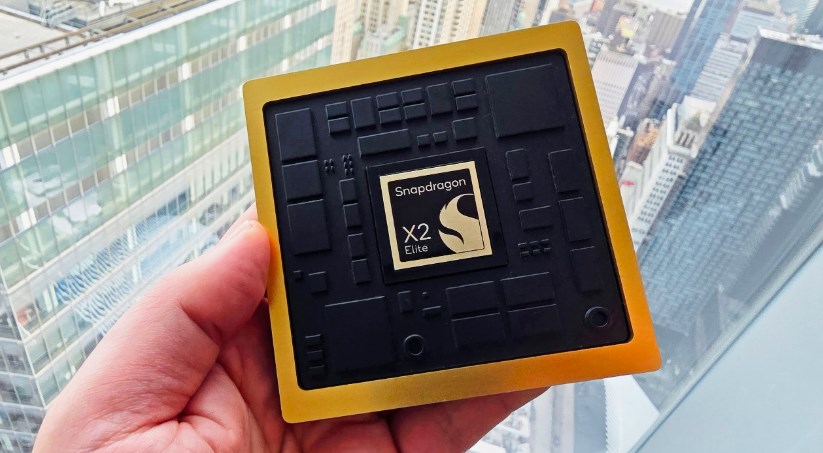
The Snapdragon X Elite and Snapdragon X Plus chips marked a significant step forward. They demonstrated that Windows laptops powered by ARM processors could finally compete with traditional systems in both speed and efficiency. However, Qualcomm appears determined to go even further. Industry insiders suggest that the company’s next Snapdragon platform could feature substantial upgrades across the board, potentially making it one of the most powerful laptop processors ever created for Windows devices.
Why Samsung Could Be the Biggest Beneficiary
Among all Windows laptop manufacturers, Samsung stands in a particularly strong position. The company has worked closely with Qualcomm on multiple products, including smartphones, tablets, and laptops. This long-standing partnership gives Samsung early access to cutting-edge technologies and opportunities to optimize hardware around Qualcomm’s newest processors. Future Galaxy Book models equipped with the next Snapdragon chip could benefit from:
- Faster multitasking performance
- Improved battery efficiency
- Better AI-powered features
- Enhanced graphics capabilities
- Cooler operating temperatures
- Thinner and lighter designs
These advantages are especially important in today’s laptop market, where consumers expect desktop-level performance without sacrificing portability. Samsung already offers some of the most visually appealing Windows laptops available. Combining premium design with a significantly more powerful Snapdragon processor could create a compelling alternative to Apple’s MacBook lineup.
The Battle Against MacBook Neo
Apple’s rumored MacBook Neo is expected to become one of the company’s most important laptop releases. Positioned as a modern and affordable option within the MacBook family, the device could attract students, professionals, and everyday users seeking Apple’s ecosystem at a lower price point. That makes competition particularly fierce .
.
To stand out against the MacBook Neo, Samsung must offer more than just comparable specifications. It needs meaningful advantages that influence purchasing decisions. A next-generation Snapdragon processor could provide exactly that. If Qualcomm delivers major performance gains while maintaining exceptional battery life, Galaxy Book devices could potentially outperform Apple’s offering in several real-world tasks. This includes:
AI Workloads
Artificial intelligence is rapidly becoming a defining feature of modern computing. Qualcomm has invested heavily in Neural Processing Units (NPUs), specialized hardware designed to handle AI tasks efficiently. Future Snapdragon chips are expected to feature significantly more powerful NPUs capable of running advanced AI models directly on the device.
This could enable:
- Real-time language translation
- AI-assisted content creation
- Advanced photo editing
- Intelligent productivity tools
- Enhanced video conferencing features
As Microsoft continues expanding its AI-powered Windows experiences, Snapdragon-powered Galaxy Books could become some of the best-equipped laptops for next-generation computing.
Battery Life
Battery endurance remains one of Apple’s strongest advantages. MacBooks are known for lasting an entire workday—and often much longer—without needing a charger. Qualcomm’s ARM-based architecture is naturally energy efficient, and every new Snapdragon generation continues to improve power management. If Samsung successfully pairs the upcoming Snapdragon processor with efficient hardware design, future Galaxy Books could potentially match or exceed MacBook Neo battery performance. For students, travelers, and remote workers, this would be a major selling point. New Snapdragon chip could allow Galaxy Book to beat MacBook Neo
Performance Per Watt
Raw performance is important, but efficiency matters just as much. The concept of “performance per watt” measures how much computing power a processor delivers relative to its energy consumption. Apple Silicon has dominated this category for years, helping Macs stay cool, quiet, and efficient. Qualcomm appears determined to close that gap. Early expectations suggest the upcoming Snapdragon platform could offer dramatic improvements in performance-per-watt metrics, allowing Samsung laptops to deliver high-end speed without requiring bulky cooling systems. That means thinner designs, less fan noise, and longer battery life. New Snapdragon chip could allow Galaxy Book to beat MacBook Neo
Samsung’s Ecosystem Advantage
Another factor working in Samsung’s favor is its growing ecosystem. Many users already own multiple Samsung devices, including:
- Galaxy smartphones
- Galaxy tablets
- Galaxy Watches
- Galaxy Buds
- Smart TVs
Samsung has steadily improved connectivity between these products, creating experiences similar to Apple’s ecosystem.
Features such as:
- Quick file sharing
- Multi-device control
- Phone-to-PC integration
- Seamless notifications
- Cross-device productivity
allow Galaxy Book users to move effortlessly between devices. When paired with a powerful Snapdragon processor, this ecosystem integration could become a major reason for customers to choose Samsung over Apple.
The AI PC Era Is Just Beginning
The laptop industry is entering what many analysts describe as the “AI PC” era. Rather than focusing solely on traditional specifications like CPU speed and RAM capacity, manufacturers are increasingly highlighting AI capabilities. Microsoft, Qualcomm, Intel, AMD, and Samsung are all investing heavily in this shift. Future Snapdragon processors are expected to play a central role in this transition. By processing AI tasks locally instead of relying entirely on cloud services, laptops can deliver:
- Faster responses
- Better privacy
- Reduced internet dependency
- Improved efficiency
This approach aligns perfectly with Microsoft’s vision for next-generation Windows devices. Samsung’s Galaxy Book lineup could become one of the flagship examples of what AI-focused computing looks like in everyday use.
Challenges Still Remain
Despite the excitement surrounding Qualcomm’s upcoming chip, several challenges remain. Software compatibility continues to be one of the biggest concerns for ARM-based Windows systems. Although Windows on ARM has improved dramatically, some applications still perform better on traditional x86 hardware. Microsoft and Qualcomm have made significant progress in addressing these issues through improved emulation technologies and growing developer support, but there is still work to be done. New Snapdragon chip could allow Galaxy Book to beat MacBook Neo
Apple also retains strong advantages through its tightly integrated ecosystem and loyal customer base. Many users remain deeply invested in macOS and Apple’s services, making it difficult for competitors to convince them to switch. Samsung will need more than impressive benchmark numbers to win over these customers.
Looking Ahead
The next generation of Snapdragon processors could represent a turning point for Windows laptops. If Qualcomm delivers the performance gains that industry observers expect, Samsung’s future Galaxy Book models may finally have the hardware needed to challenge Apple’s dominance in the premium laptop market. The competition between Samsung and Apple has traditionally focused on smartphones, but the battle is increasingly expanding into laptops and AI-powered computing devices.
For consumers, that competition is excellent news. More innovation, better performance, longer battery life, and stronger AI capabilities ultimately benefit everyone. While the MacBook Neo is likely to attract significant attention when it arrives, Samsung may soon have a powerful answer waiting in the wings. With a next-generation Snapdragon chip at its core, the future Galaxy Book could emerge as one of the most exciting Windows laptops ever created—and perhaps the first true MacBook rival capable of surpassing Apple on its own turf. New Snapdragon chip could allow Galaxy Book to beat MacBook Neo
About the Author