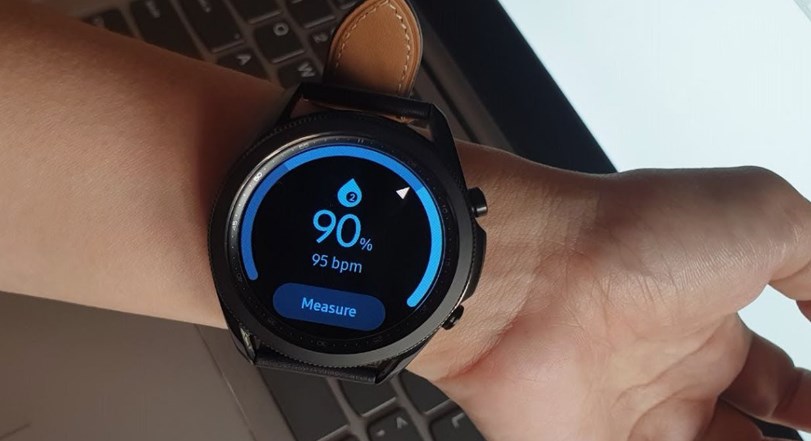
Samsung’s Galaxy Watch is about to get a lot smarter at making sense of your health data – Smartwatches have evolved far beyond simple step counters and notification hubs. Over the last few years, they have become powerful health companions, tracking everything from heart rate and sleep quality to stress levels and physical activity. Now, Samsung is taking that vision a major step further. The company is preparing to make its Galaxy Watch lineup significantly smarter by introducing advanced health insights designed to help users better understand what their health data actually means.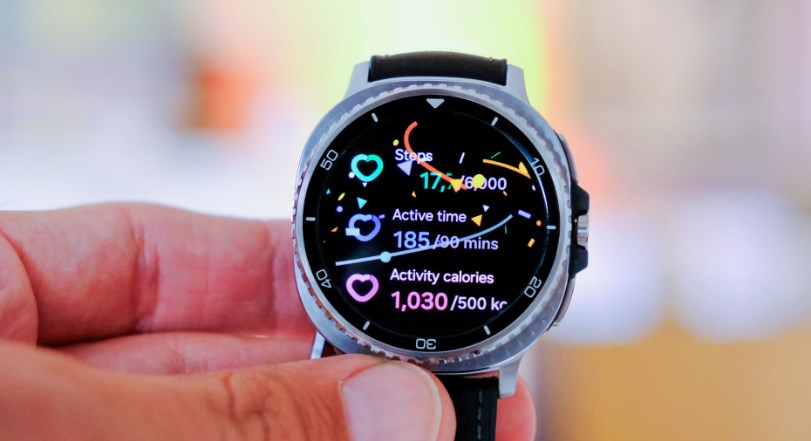
For many smartwatch owners, collecting health information is easy. Understanding it, however, is often a different story. Daily reports filled with numbers, charts, and scores can sometimes feel overwhelming or confusing. Samsung’s latest improvements aim to bridge that gap by transforming raw health data into meaningful, personalized insights that are easier to interpret and act upon. The result could be one of the biggest upgrades to the Galaxy Watch experience in years.
Moving Beyond Basic Health Tracking
Most wearable devices today excel at gathering information. They monitor sleep duration, count steps, measure heart rates, track workouts, and estimate calories burned. While these metrics are useful, they often leave users wondering a simple question: “What should I do with this information?”. Samsung appears focused on answering that question.
Rather than simply displaying numbers, the next generation of Galaxy Watch health features is expected to analyze trends, identify patterns, and provide recommendations based on individual behavior. This shift represents a move from passive monitoring to active health guidance.
Imagine waking up and seeing more than a sleep score. Instead, your watch could explain why your sleep quality dropped, identify potential causes, and suggest changes that may help improve your rest. The same concept could apply to exercise recovery, cardiovascular health, stress management, and overall wellness. In essence, Samsung wants the Galaxy Watch to become less of a data collector and more of a personal health coach. Samsung’s Galaxy Watch is about to get a lot smarter at making sense of your health data
Smarter Sleep Analysis
Sleep has become one of the most important focus areas for wearable technology, and Samsung has invested heavily in improving sleep tracking across its devices.The upcoming enhancements are expected to take sleep analysis much further. Instead of simply measuring how long you slept, Samsung aims to provide a deeper understanding of sleep quality and recovery.
Factors such as sleep consistency, bedtime habits, interruptions during the night, and overall recovery patterns could be analyzed together to provide a more complete picture of a user’s health. This approach acknowledges an important reality: getting eight hours of sleep does not necessarily mean getting good sleep.
By examining long-term trends rather than isolated nights, the Galaxy Watch may help users identify habits that are negatively affecting their rest. Whether it is irregular bedtimes, increased stress levels, or lifestyle changes, the watch could offer insights that are both personalized and actionable. For users struggling with fatigue, these kinds of recommendations could prove far more valuable than a simple sleep score.
Better Understanding of Recovery and Readiness
Another area where Samsung is reportedly expanding its health intelligence is physical recovery. Fitness enthusiasts have long relied on metrics such as heart rate variability, resting heart rate, and sleep quality to determine how well their bodies are recovering from exercise. However, interpreting these metrics often requires some knowledge of sports science. Samsung’s goal appears to be simplifying that process.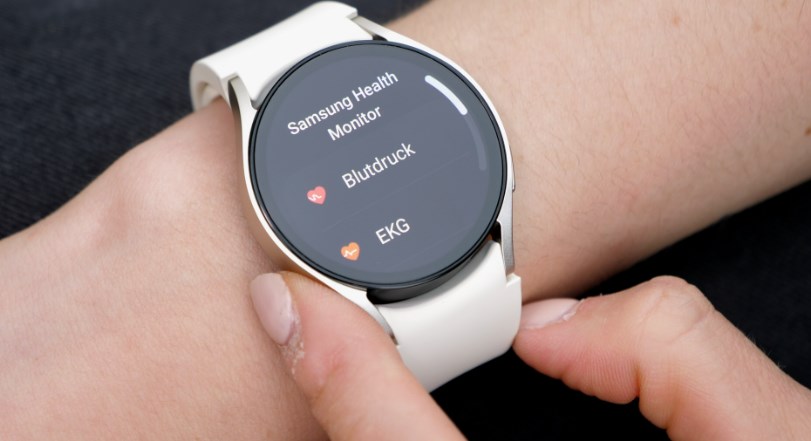
Future Galaxy Watch features may combine multiple health indicators into an easy-to-understand readiness score that helps users decide whether their bodies are prepared for intense activity or need additional recovery. This could be especially useful for people who exercise regularly but are unsure how hard they should train on any given day.
Rather than relying on guesswork, users may receive recommendations tailored to their physical condition, helping them avoid overtraining while maximizing performance. The technology could benefit everyone from casual gym-goers to dedicated athletes.
A More Personalized Health Experience
One of the biggest limitations of traditional health tracking is that it often treats every user the same way. Samsung’s new direction focuses on personalization. Instead of comparing users against generic standards, future Galaxy Watch software may take into account individual habits, historical trends, age-related factors, and personal health goals. For example, two users could receive very different interpretations of similar data because their lifestyles and health profiles differ significantly. Samsung’s Galaxy Watch is about to get a lot smarter at making sense of your health data
Someone training for a marathon may need different recovery recommendations than someone focused on weight management or improving sleep quality. By adapting insights to each individual, Samsung hopes to make health tracking more relevant and useful in everyday life. This personalized approach aligns with a broader industry trend toward preventive healthcare, where technology helps users identify potential issues before they become serious concerns.
Artificial Intelligence Takes Center Stage
Much of Samsung’s upcoming health innovation is expected to be powered by artificial intelligence. AI has become a major focus across the technology industry, and health monitoring is one of its most promising applications. The challenge with wearable devices is not collecting data—it is making sense of enormous amounts of information generated every day. Artificial intelligence can analyze trends across weeks, months, or even years of health data far more effectively than traditional software systems. This allows it to identify subtle patterns that might otherwise go unnoticed.
For example, AI could recognize changes in sleep behavior that correlate with increased stress, reduced physical activity, or declining recovery performance. Instead of simply reporting these changes, the system can provide context and suggest practical actions. This is where Samsung hopes to differentiate itself. The company is not just adding more metrics; it is making those metrics easier to understand and use.
Encouraging Healthier Habits
A smartwatch can only be effective if it motivates people to take action. Samsung’s enhanced health features are designed to encourage positive behavior changes rather than simply present information. Research consistently shows that people are more likely to improve their habits when they receive clear, actionable guidance instead of complex data.
For example, rather than saying a user’s recovery score is low, the Galaxy Watch could suggest getting to bed earlier, reducing late-night screen time, increasing hydration, or taking a lighter workout day. These recommendations make health tracking feel practical and accessible. The goal is to turn information into action—and action into long-term health improvements. Samsung’s Galaxy Watch is about to get a lot smarter at making sense of your health data
Competing in an Increasingly Crowded Market
The smartwatch market has become highly competitive, with major companies investing heavily in health technology. Apple continues to expand the health capabilities of the Apple Watch, while brands like Garmin, Fitbit, and others focus on fitness, wellness, and recovery tracking. Samsung’s latest improvements demonstrate that the company intends to remain a major player in this race.
By emphasizing intelligent health insights rather than simply adding new sensors, Samsung may be addressing one of the biggest challenges facing wearable technology today: helping users understand what their data actually means. This strategy could resonate strongly with consumers who want practical health guidance rather than endless streams of statistics.
The Future of Wearable Health Technology
Samsung’s upcoming Galaxy Watch enhancements represent a broader shift in the wearable industry. The future is no longer about collecting more data—it is about making that data meaningful. As artificial intelligence becomes more sophisticated, smartwatches are evolving from passive trackers into proactive health companions capable of offering personalized advice, detecting trends, and supporting healthier lifestyles.
For Galaxy Watch users, this means their devices could soon become far more useful in everyday life. Whether the goal is improving sleep, optimizing workouts, managing stress, or simply understanding overall wellness, Samsung’s smarter health platform promises to provide clearer answers and more personalized guidance than ever before. If the company delivers on its vision, the Galaxy Watch may become one of the most intelligent health-focused wearables available—helping users not only track their health, but truly understand it. Samsung’s Galaxy Watch is about to get a lot smarter at making sense of your health data
About the Author